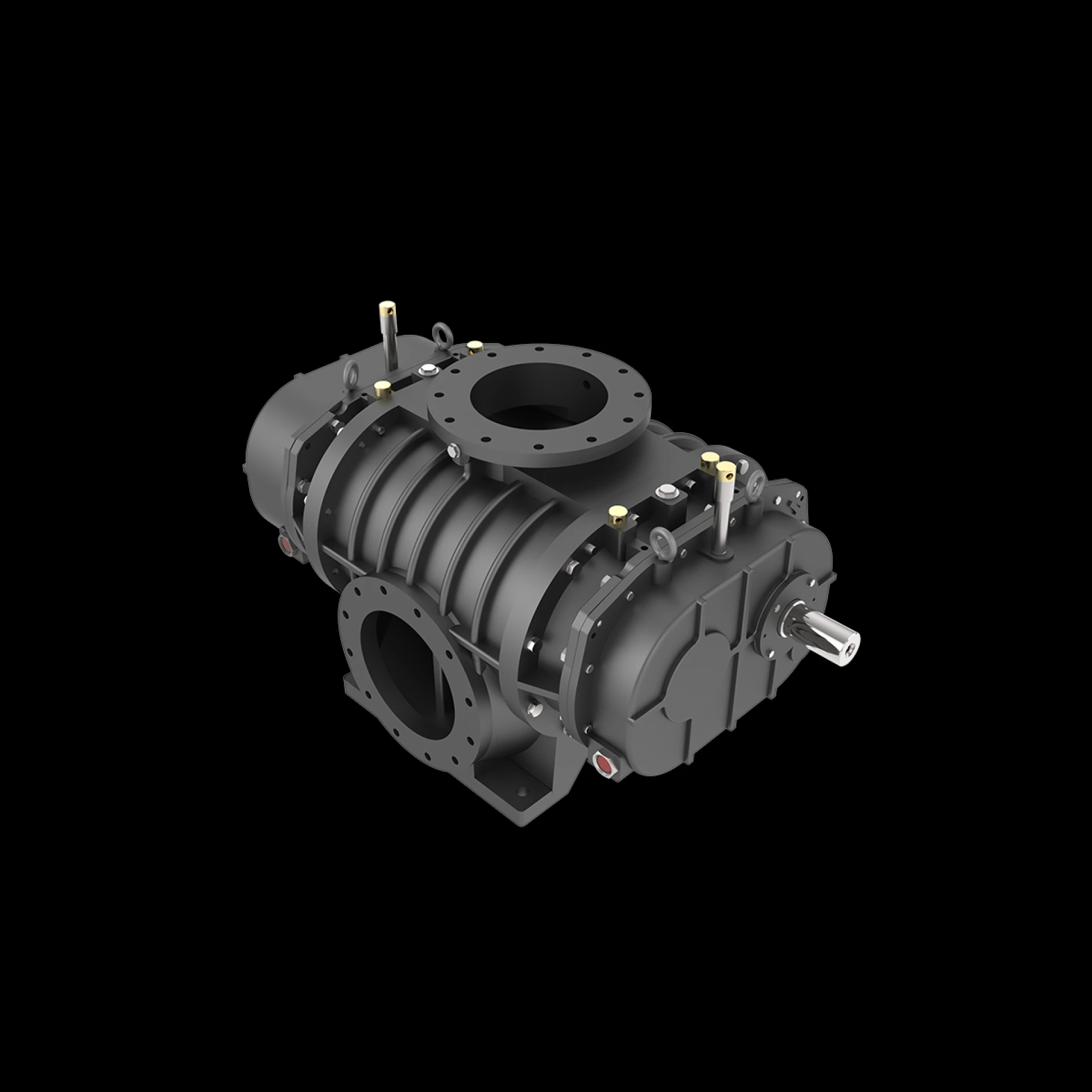

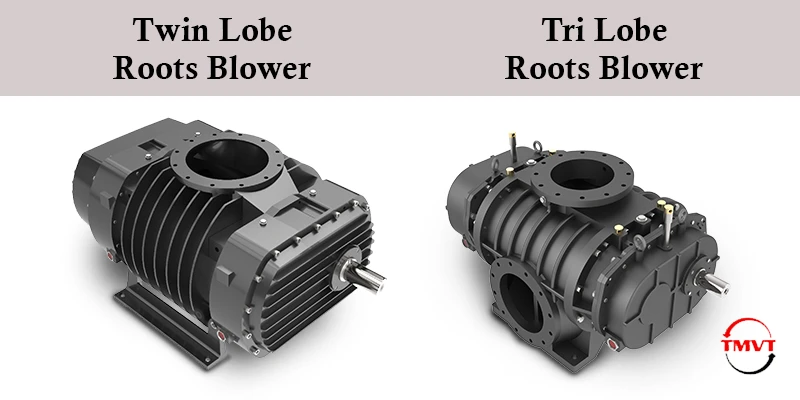
Roots type blowers, also known as positive displacement blowers, are integral to various industrial applications, including wastewater treatment, pneumatic conveying, and chemical processing. These blowers function by trapping a specific volume of air and displacing it from the inlet to the outlet, ensuring a consistent airflow. Given their critical role, understanding common issues and their solutions is essential for maintaining optimal performance.
Understanding Roots Type Blowers
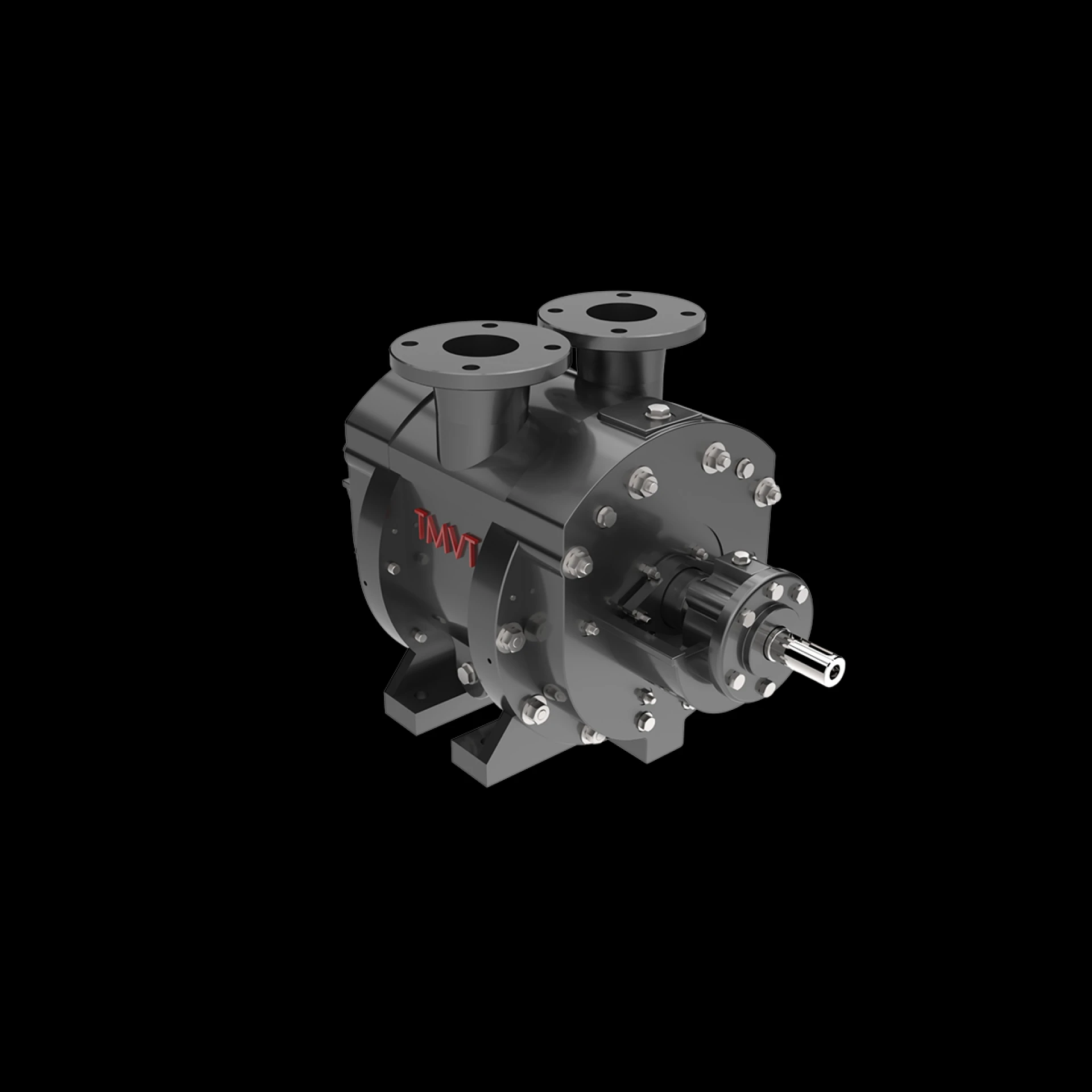
Roots type blowers consist of two rotors that rotate in opposite directions within a casing. As these rotors turn, they trap air in pockets and transport it from the intake side to the exhaust, creating a steady flow. Unlike other compressors, Roots blowers do not compress air internally; instead, compression occurs externally, making thairflow at varying pressures.
Common Problems and Solutions
Excessive Vibration and Noise
- Causes: Misalignment, bearing wear, rotor imbalance, or loose components can lead to increased vibration and noise.
- Solutions: Regularly inspect and align the blower and motor shafts. Replace worn bearings and balance rotors to ensure smooth operation. Ensure all mounting bolts are tightened to the manufacturer's specifications.
Overheating
- Causes: Overloading, inadequate ventilation, or improper lubrication can cause the blower to overheat.
- Solutions: Ensure the blower operates within its specified capacity. Maintain proper ventilation around the unit and use the recommended lubricants, checking levels regularly.
Oil Leakage
- Causes: Worn seals, overfilled oil reservoirs, or using incorrect oil types can result in leaks.
- Solutions: Replace damaged seals promptly. Fill oil to the recommended levels using the specified oil type. Regularly inspect for signs of leakage and address issues immediately.
Decreased Airflow or Pressure
- Causes: Clogged filters, internal wear, or improper clearances can reduce airflow.
- Solutions: Clean or replace air filters regularly. Inspect internal components for wear and maintain proper clearances as per manufacturer guidelines.
Unusual Sounds During Operation
- Causes: Foreign objects inside the blower, gear issues, or rotor contact can produce abnormal noises.
- Solutions: Conduct thorough inspections to remove any foreign materials. Check gear conditions and ensure rotors are correctly aligned to prevent contact.
Startup Failures
- Causes: Electrical issues, motor problems, or system blockages can prevent the blower from starting.
- Solutions: Verify electrical connections and motor functionality. Inspect the system for any obstructions and ensure all components are in working order before startup.
Preventive Maintenance Tips
- Regular Inspections: Schedule routine checks to identify and address potential issues before they escalate.
- Proper Lubrication: Use manufacturer-recommended lubricants and adhere to the suggested lubrication schedule to minimize wear.
- Monitor Operating Conditions: Keep an eye on temperature, pressure, and vibration levels to detect anomalies early.
- Training: Ensure maintenance personnel are adequately trained to handle and service Roots type blowers effectively.
When to Seek Professional Help
If problems persist despite regular maintenance, it's advisable to consult professionals. Persistent issues like recurring overheating, unusual noises, or consistent performance drops may indicate deeper underlying problems that require expert intervention. Professional servicing can provide comprehensive diagnostics and solutions, ensuring the longevity and efficiency of your blower system.
Conclusion
Roots type blowers are vital components in many industrial processes. By understanding common issues and implementing preventive measures, you can ensure their reliable performance. Regular maintenance, timely interventions, and professional consultations when necessary will help in minimizing downtime and extending the lifespan of your equipment.
























Sign in to leave a comment.