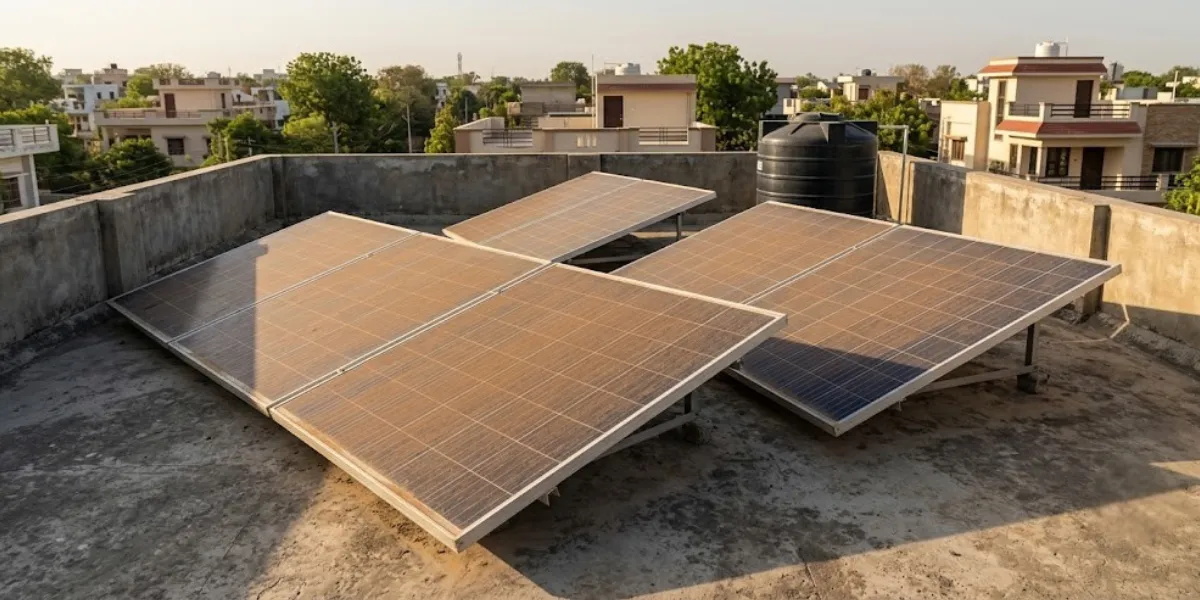

Rooftop solar installation works best when you check your roof, size the system correctly, and hire a certified installer. The average Indian household ends up spending money if they do not follow these basic steps. This guide on installing rooftop solar panels explains all that you should avoid doing.
Key Takeaways
- Have your roof checked for strength, shadow, and age before doing anything else.
- Ensure that your panel choice fits your roof and budget.
- Position panels to face south with proper tilt for your city.
- Size your inverter according to your energy usage.
- Do not forget the approvals and paperwork for net metering.
- Hire an authorised solar system installer; don’t go for the most economical one.
- Buy your panels from a trusted solar manufacturing company in India like Inter Solar that offers real warranties.
- Ensure that there is room left over for cleaning, as dust accumulates quickly on Indian rooftops.
Why Rooftop Solar Installation Matters for Indian Homes
All Indians are well aware of how high the electricity bills are in the summer months. Consumption is very high due to air conditioners, coolers, and geysers. Solar panel installation on the rooftop reduces the burden on electricity to a large extent. However, if the work is done in haste and carelessly, then all the money is wasted.
Common Solar Installation Mistakes Indian Homeowners Make
Skipping the Roof Assessment
Many homeowners fix panels without verifying whether their roofs can withstand the weight. Concrete roofs require an inspection by experts before installing them. Some old buildings might require support or repair before anything else is done. Failure to do so will lead to expensive removal of panels in the future due to water leakage.
Choosing the Wrong Solar Panel Type
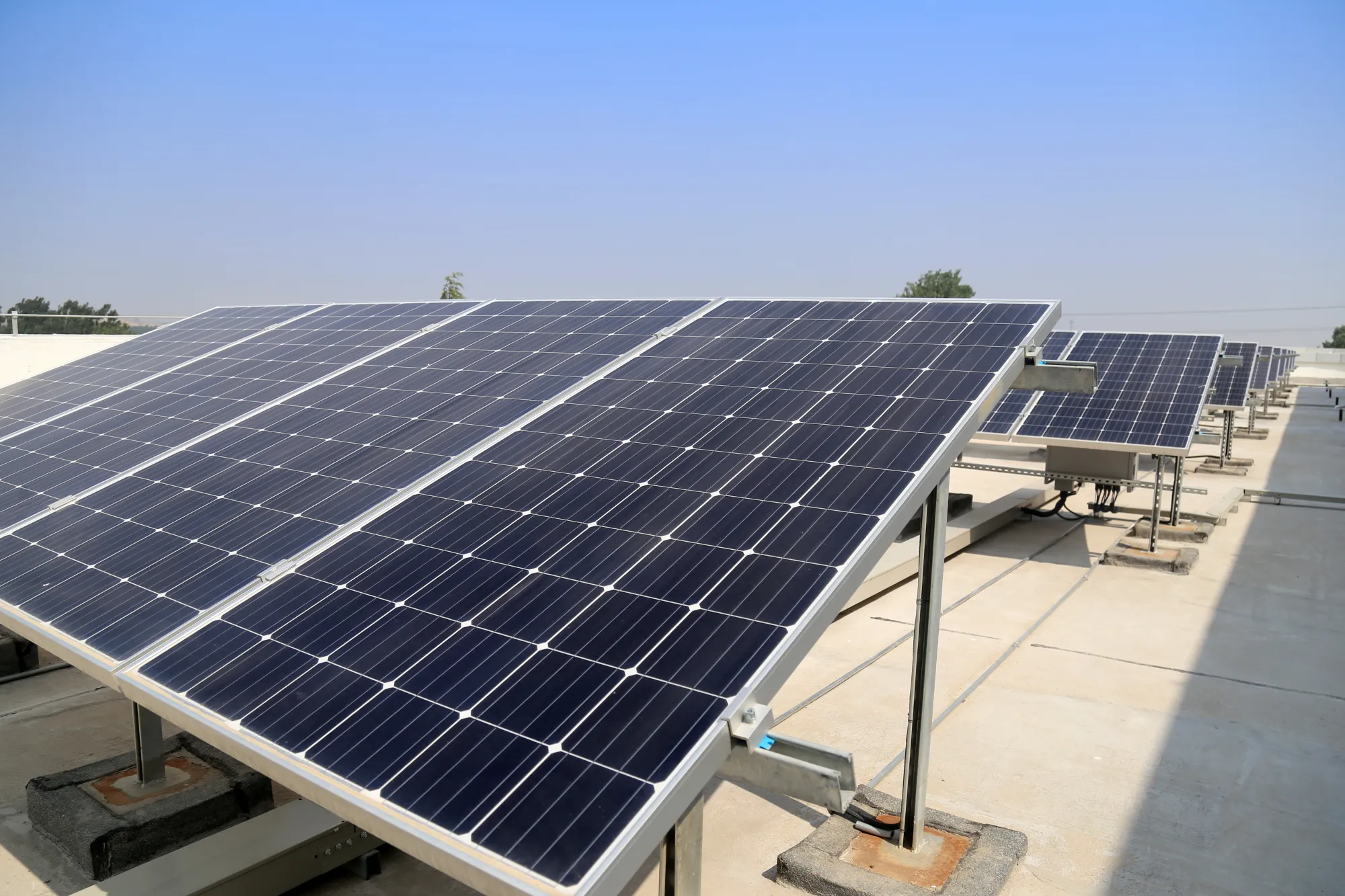
Indian families usually choose panels based on cost rather than suitability. Monocrystalline panels are appropriate for use on small terraces because they require smaller spaces. Polycrystalline panels are cheaper but require larger roof space for producing similar results. Thin film panels perform well in hazy areas as compared to other panels. Hence, always consider your rooftop size, budget, and local climate before making a call.
Ignoring Direction, Tilt, and Shading
The orientation of the panels in India must be in the southern direction to ensure adequate light. The tilt of the panels will vary by city due to differences in latitude between cities like Delhi and Mumbai. Shadows from the water tanks, chimneys, and other nearby buildings may affect the panels but go unnoticed.
Underestimating or Overestimating Energy Needs
Often, people tend to overlook the addition of future appliances such as ACs or EVs. For a joint family with three ACs, the system requirement would be totally different from that for a couple. Before deciding the system capacity, go through your bills for the last twelve months. If the system is small, you wouldn’t save much on your bills.
Overlooking Inverter Quality and Sizing
The inverter is responsible for converting your DC electricity from the panels into usable AC electricity. Having an inverter that is too small restricts how much electricity you generate. Oversizing is unnecessary as it adds to the expense but provides no additional advantage.
Not Leaving Space for Cleaning and Maintenance
Indian cities have a lot of dust, pollen, and air pollution for most of the year. Tight placement of panels without space will not allow people to walk around safely. The buildup of dust automatically means low yield, but one cannot reach the panels for necessary cleaning.
Ignoring Permits, Net Metering, and DISCOM Approvals
They install, and they do not understand why there is hardly any change in their electricity bill. The reason is that they have not applied for net metering in the area’s DISCOM. If they have not received permission from the authorities, the excess solar energy during the day goes to waste.
Hiring an Unlisted or Uncertified Installer
Substandard installers tend to take shortcuts when it comes to both the components used and the quality of installation itself. They may not even have MNRE certification, affecting their eligibility for subsidies and warranties. Improper installation of wires and loose connections increase the risk of fires in the long term.
Poor Cable Management and Electrical Safety
Exposed wires will easily attract rodents, insects, and moisture from the monsoon rains. This causes damage to the wire insulation and poses fire hazards that no one would want around their house. Cabling with proper routing, labeling, and insulation ensures longevity of your system.
Mistake, Indian Household Reality, and Fix
| Mistake | What Happens at Home | How to Fix It |
| No roof check | Panels installed on a weak or old roof | Get a structural survey first |
| Wrong panel type | Poor output on a small terrace | Choose monocrystalline for tight spaces |
| Bad placement | Panels face east or sit in shade | Face south, avoid tank shadows |
| Wrong system size | Bill barely drops despite installation | Size using past year's bills |
| Skipped permits | Surplus power wasted, no net metering | Apply through your local DISCOM |
| Cheap installer | Loose wiring, no warranty support | Verify MNRE certification first |
| No walkway | Dust builds up, nobody can clean | Plan access space during design |
Choosing the Right Solar Company
Picking the best solar panel company in India determines your long-term outcome. A well-established solar panel manufacturing company in India provides you with ALMM-qualified solar panels with real warranties. It is advisable to go for those who provide a performance warranty for 25 to 30 years. You should also look into their after-sales service because your solar panels require maintenance from time to time.
Conclusion
Rooftop solar installation rewards careful planning and punishes shortcuts every single time. Indian families benefit most if they evaluate their roof space, size properly, and install using professional companies. Stay away from the common errors above, and your solar system will ensure you save over 25 years. Select good panels and companies to begin with.




















Sign in to leave a comment.