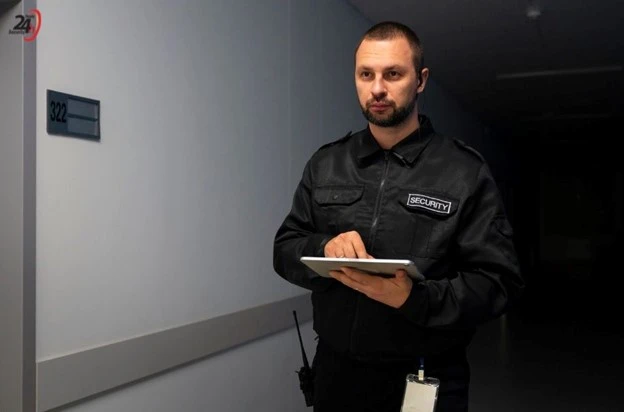

Commercial properties are not abstract spaces. They are lived-in environments offices where people arrive early with coffee in hand, warehouses that hum late into the night, retail floors that change rhythm by the hour. Security threats don’t appear as dramatic movie moments. They surface quietly, often predictably, and usually when someone assumed “it won’t happen here.”
Over time, certain patterns repeat themselves across commercial sites. Different industries, different cities, same vulnerabilities. This is where Los Angeles security services come as a rescue.
Unauthorized Access and Tailgating
One of the most underestimated risks is also one of the most common: people entering places they shouldn’t.
Tailgating: When someone slips in behind an authorized employee, happens daily in office buildings. It’s rarely malicious at first glance. Someone holds a door open out of politeness. A delivery person looks legitimate enough. No one wants to seem rude. That moment of courtesy is often all it takes.
Once access control breaks down, everything downstream is exposed: workstations, documents, inventory, even personal safety. Many breaches begin not with force, but with familiarity.
Theft of Assets and Inventory
Theft in commercial settings isn’t always obvious. It’s often incremental.
In warehouses, small quantities go missing over time. In offices, laptops or mobile devices disappear after hours. Retail environments face both shoplifting and internal theft, the latter being harder to detect and emotionally harder to accept.
What makes asset theft particularly damaging is not just the financial loss, but the disruption it causes, insurance claims, audits, internal investigations, and strained trust among staff.
Vandalism and Property Damage
Vandalism doesn’t always target valuables. Sometimes the intent is simply damage.
Graffiti, broken fixtures, smashed windows, or sabotaged equipment can shut down operations far longer than expected. A damaged electrical panel or server room door isn’t just cosmetic; it can halt business entirely.
These incidents often occur during low-visibility hours: late nights, weekends, holidays. Properties without consistent surveillance or physical presence tend to learn this lesson the hard way.
Workplace Violence and Aggressive Behavior
This is the threat no one wants to imagine, but every responsible property manager plans for.
Workplace violence doesn’t always come from strangers. Disgruntled former employees, emotionally volatile visitors, or conflicts that escalate unexpectedly are far more common sources. In retail and healthcare environments, frontline staff face verbal abuse and physical threats with unsettling regularity.
Security in these cases isn’t about intimidation. It’s about early detection, calm intervention, and having trained personnel who understand human behavior; not just procedures.
Cyber-Physical Overlap
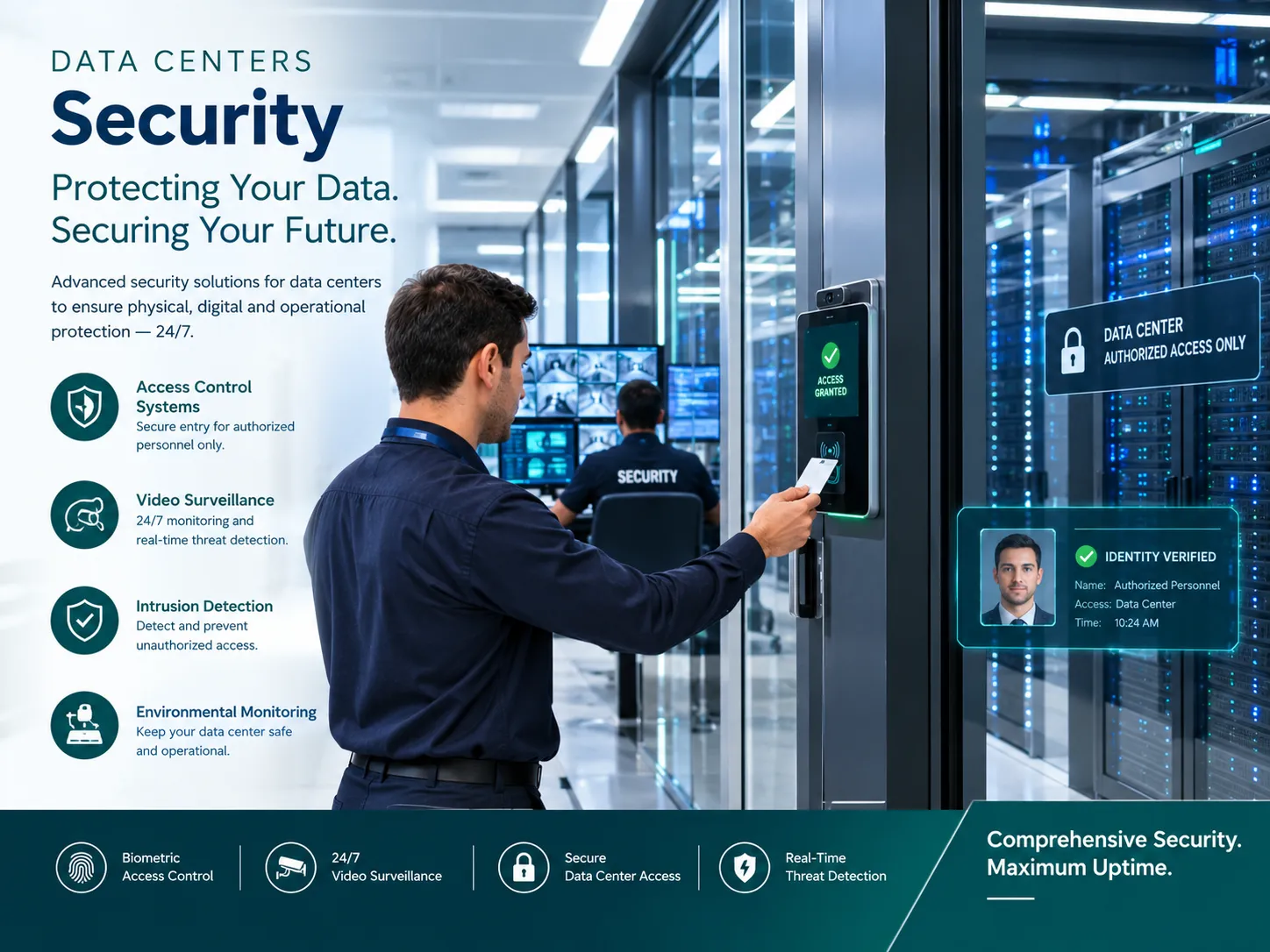
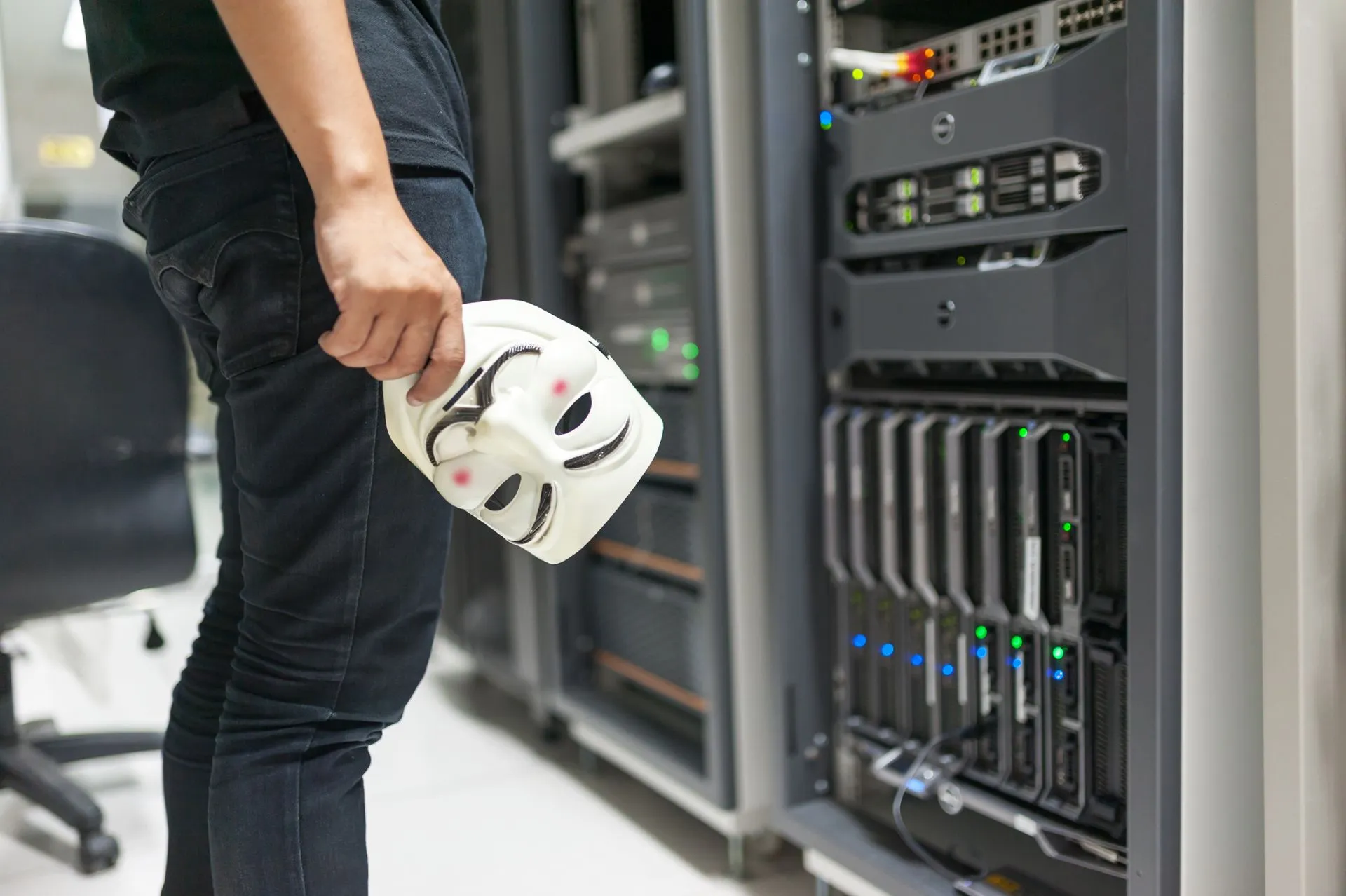
Modern commercial security is no longer purely physical. Unauthorized access to server rooms, tampering with networking equipment, or gaining physical access to systems that control data, surveillance, or building operations creates a bridge between physical and digital risk. A single unlocked room can compromise far more than a lock ever protected.
This overlap is especially dangerous because responsibility is often split, IT handles one side, facilities the other, leaving gaps that attackers exploit.
Inadequate Visitor Management
Visitor management is often treated as an administrative task rather than a security function. That’s a mistake.
Without proper logging, identification, and supervision, visitors become unknown variables inside controlled spaces. In large commercial complexes, it becomes impossible to answer basic questions after an incident: Who was here? Where did they go? How long did they stay?
When no one owns that visibility, accountability disappears with it.
Emergency Situations and Poor Preparedness
Not every threat comes from intent. Fires, medical emergencies, power failures, and natural events test security systems just as harshly.
The real issue isn’t the emergency itself; it’s confusion. Unclear evacuation routes, untrained staff, security personnel unfamiliar with protocols. In those moments, hesitation causes more harm than the original event.
Why These Threat Persist
Most commercial security failures aren’t due to lack of technology or budget. They come from assumptions.
- Assumptions that employees will follow rules.
- That cameras alone deter wrongdoing.
- That problems will announce themselves early.
- That yesterday’s risks still define today’s reality.
Threats evolve because environments evolve; new tenants, new workflows, new pressures. Security must move with them, or it slowly becomes decorative.
A Closing Thought
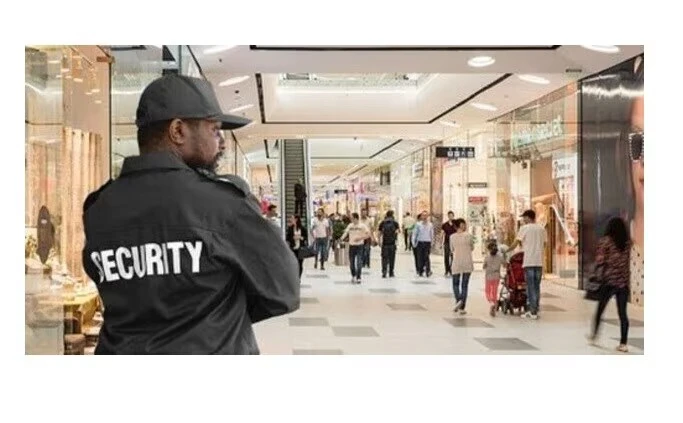
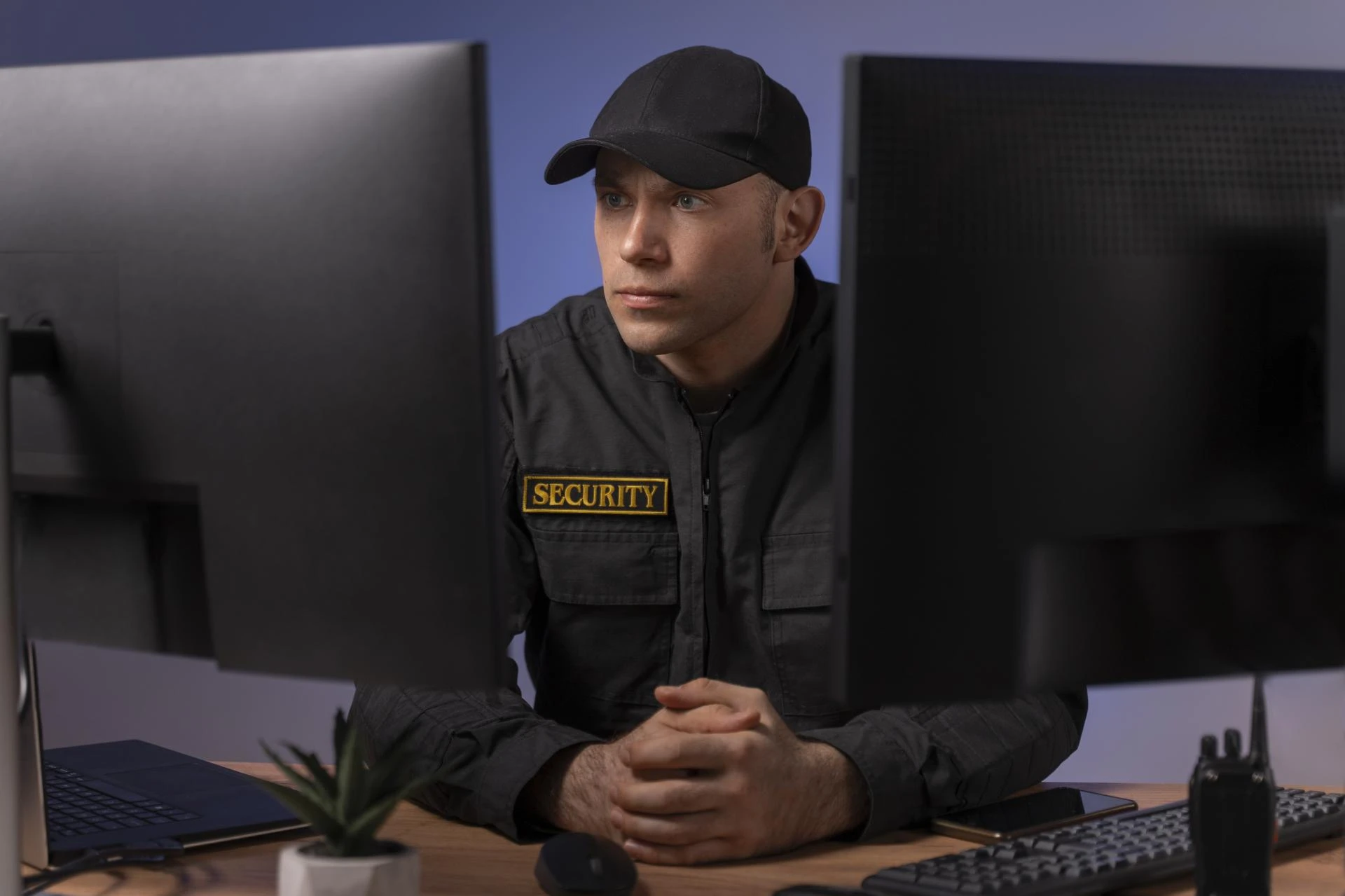
Security guard patrol services aren’t about turning buildings into fortresses. They are about awareness, consistency, and people who understand what normal looks like, so they can spot what doesn’t.
The strongest security setups are rarely the most visible. They’re the ones where incidents feel unlikely not because of luck, but because someone has already thought three steps ahead.
And in this field, thinking ahead is the real work.
























Sign in to leave a comment.