
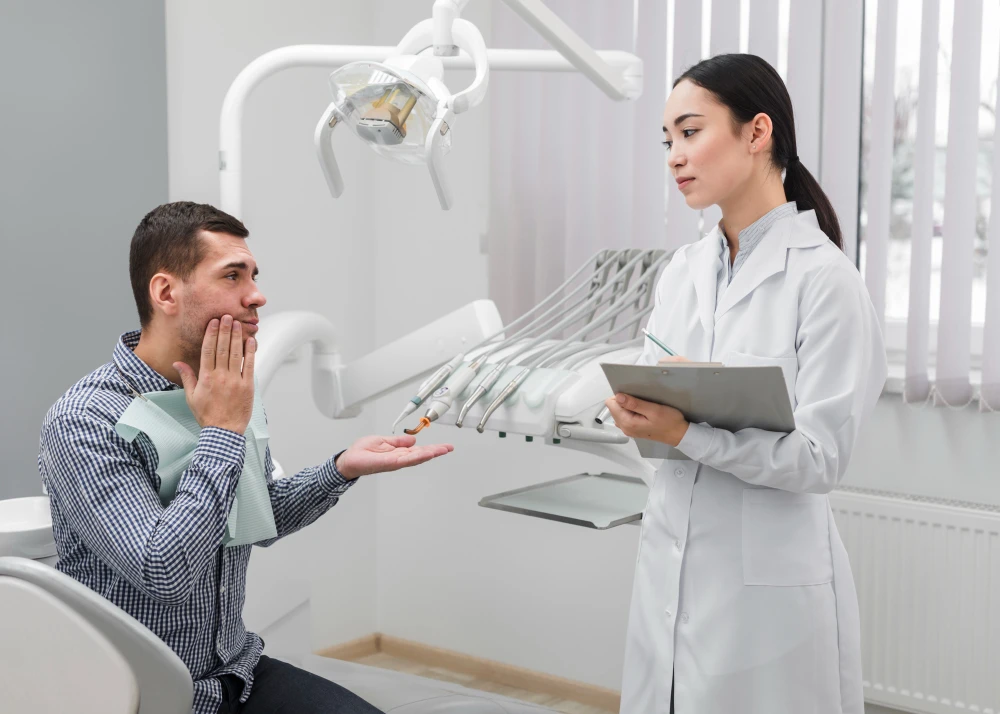

Are you experiencing discomfort in the back of your mouth? It could be your wisdom teeth trying to make an appearance. Wisdom teeth, also known as third molars, often cause problems due to their late eruption and limited space in the jaw. In this post, we\'ll explore the common signs that indicate you may need wisdom teeth removed.
Understanding Wisdom Teeth
Before we dive into the signs, let\'s briefly understand what wisdom teeth are. These are the final set of molars that typically emerge between the ages of 17 and 25. While some people\'s wisdom teeth come in without issues, others may experience pain, swelling, and other complications, necessitating their removal.
Signs You Need Wisdom Teeth Removal
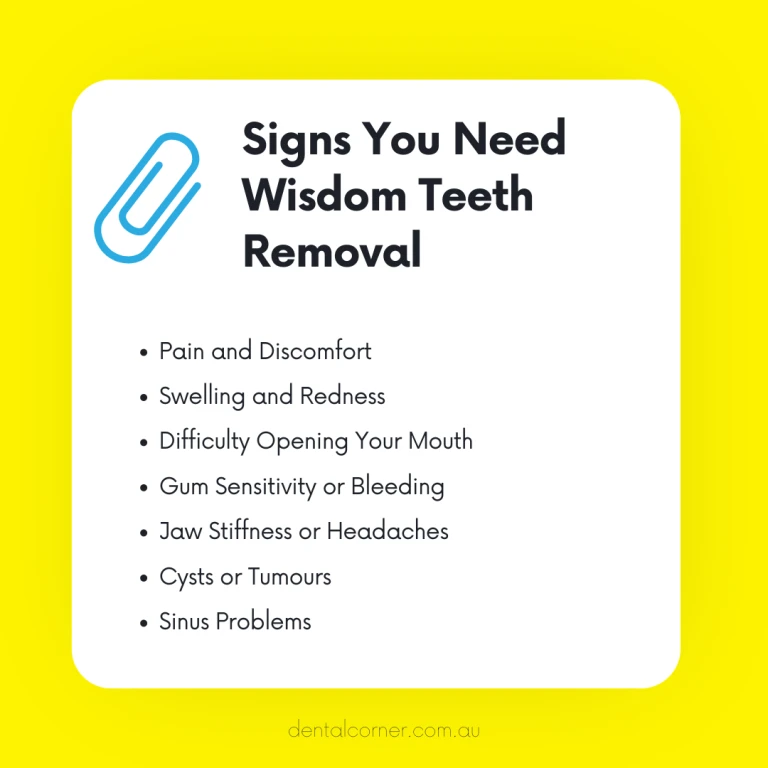
- Pain and Discomfort: One of the most common signs that your wisdom teeth need to be removed is pain or discomfort in the back of your mouth. This pain may be constant or intermittent and can range from mild to severe.
- Swelling and Redness: If you notice swelling, redness, or inflammation around the gum tissue in the back of your mouth, it could be a sign of wisdom teeth eruption. Swelling may also extend to the cheeks and jawline.
- Difficulty Opening Your Mouth: Difficulty opening your mouth fully, or feeling stiffness in your jaw, may indicate that your wisdom teeth are causing crowding or impaction, affecting your ability to move your jaw freely.
- Gum Sensitivity or Bleeding: Wisdom teeth that are partially erupted can create pockets where food particles and bacteria get trapped, leading to gum sensitivity, tenderness, or bleeding during brushing or flossing.
- Jaw Stiffness or Headaches: Impacted wisdom teeth can exert pressure on surrounding teeth and tissues, causing jaw stiffness, headaches, and even earaches.
- Cysts or Tumours: In rare cases, wisdom teeth can develop cysts or tumours, which may lead to pain, swelling, and even damage to nearby teeth and bones.
- Sinus Problems: Impacted wisdom teeth in the upper jaw can sometimes push against the sinuses, leading to sinus pressure, congestion, and sinus infections.
Tips for a Smooth Experience
Preparing for wisdom teeth removal can feel daunting, but with the right approach, you can make the process as smooth as possible. Here are some helpful tips to navigate your wisdom teeth removal journey:
- Choose the Right Provider: Start by selecting a reputable dentist or oral surgeon experienced in wisdom teeth removal. Research their credentials, read patient reviews, and schedule a consultation to discuss your concerns and treatment options.
- Understand the Procedure: Educate yourself about the wisdom teeth removal process. Ask your dentist or oral surgeon to explain the procedure in detail, including anaesthesia options, surgical techniques, and potential risks and complications. Knowing what to expect can alleviate anxiety and help you prepare mentally.
- Arrange Transportation: Since you\'ll be under the influence of anesthesia during the procedure, it\'s essential to arrange for someone to drive you home afterwards. Consider asking a friend or family member to accompany you to your appointment for support and assistance.
- Follow Pre-Operative Instructions: Your dentist or oral surgeon will provide pre-operative instructions to prepare you for surgery. This may include fasting for a certain period before the procedure, avoiding certain medications, and abstaining from smoking or alcohol consumption. Adhering to these guidelines can help minimise complications and ensure a successful outcome.
- Plan for Recovery: Stock up on soft foods, ice packs, and over-the-counter pain relievers before your surgery. Create a comfortable recovery space at home with plenty of pillows and entertainment to help pass the time during your recovery period. Follow your dentist\'s post-operative care instructions closely to promote healing and minimise discomfort.
- Take It Easy: Give yourself plenty of time to rest and recuperate after wisdom teeth removal. Avoid strenuous activities, heavy lifting, and vigorous exercise for at least a few days following surgery. Listen to your body and prioritise self-care to facilitate a smooth recovery.
- Attend Follow-Up Appointments: Attend all scheduled follow-up appointments with your dentist or oral surgeon to monitor your healing progress and address any concerns or complications promptly. They may remove stitches, perform additional checks, and provide further guidance on oral hygiene and dietary restrictions as needed.
How to Choose the Right Place for Wisdom Tooth Removal
Deciding where to have your wisdom teeth removed is a crucial step in ensuring a successful and comfortable experience. With numerous dental practices and oral surgeons offering wisdom tooth removal services, it\'s essential to know what factors to consider when making your decision. Here\'s a guide to help you choose the right place for your wisdom tooth removal:
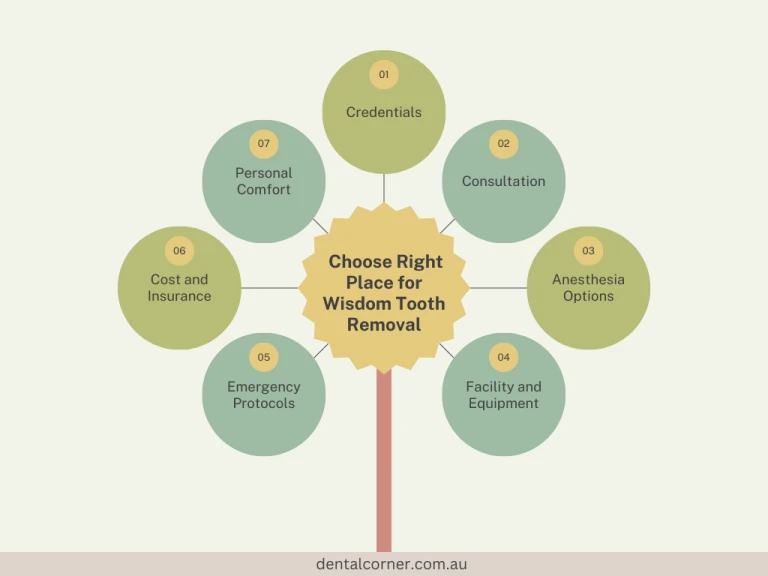
- Credentials: Ensure the provider is qualified, licensed, and experienced in performing wisdom tooth removal procedures.
- Consultation: Schedule a consultation to discuss your needs and evaluate how the provider communicates and addresses your concerns.
- Anesthesia Options: Enquire about the anaesthesia options available and choose a provider that offers options suitable for your comfort level.
- Facility and Equipment: Visit the facility to ensure it\'s clean, organised, and equipped with modern technology for safe and efficient procedures.
- Emergency Protocols: Ask about emergency protocols to ensure the provider can handle any unexpected situations promptly.
- Cost and Insurance: Discuss the cost of the procedure, payment options, and insurance coverage to ensure transparency and affordability.
- Personal Comfort: Trust your instincts and choose a provider who makes you feel comfortable, valued, and confident in their abilities.
By considering these simple points, you can select the right place for your wisdom tooth removal with confidence and peace of mind.
If you\'re experiencing any of these signs, it\'s essential to consult with a dentist or oral surgeon for a thorough evaluation. They can assess the position of your wisdom teeth using X-rays and determine whether extraction is necessary. Remember, early detection and treatment can prevent further complications and improve your oral health in the long run. Don\'t ignore the signs! Schedule a dental check-up today and take proactive steps towards a healthier smile.































Sign in to leave a comment.