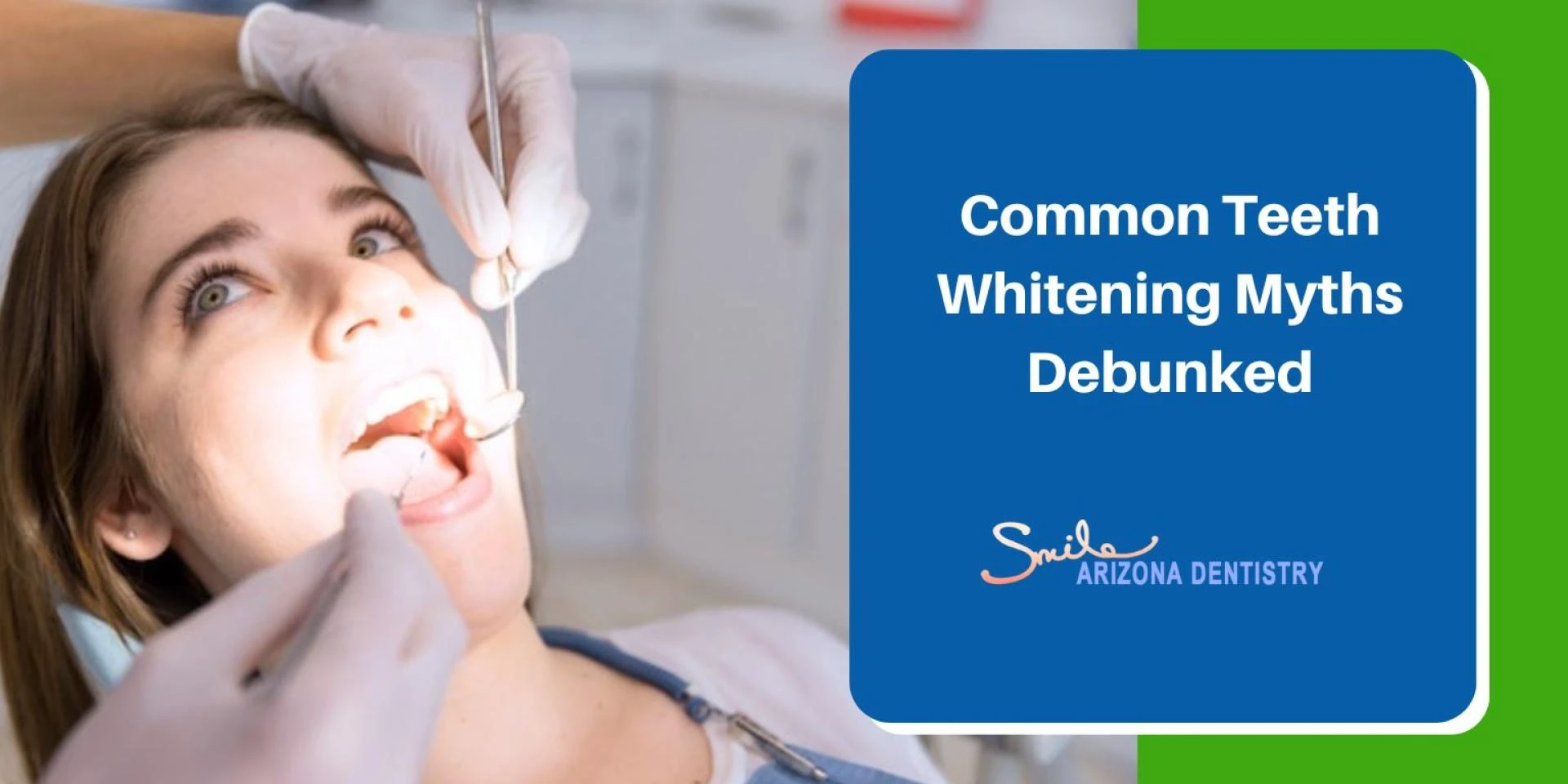

Common Teeth Whitening Myths Debunked
A bright, white smile is often associated with confidence and good oral health. As a result, teeth whitening has become one of the most popular cosmetic dental treatments. However, with its growing popularity, many myths and misconceptions about teeth whitening have surfaced, making it difficult to separate fact from fiction.
In this blog, we will debunk some of the most common myths about teeth whitening and provide the truth behind achieving a whiter, healthier smile.
Myth #1: Teeth Whitening Damages Enamel
Truth: Professional whitening is safe when done correctly.
One of the biggest concerns people have about teeth whitening is that it damages tooth enamel. While excessive or improper whitening can cause sensitivity, professional treatments and dentist-approved whitening products are designed to be safe.
Professional whitening solutions contain peroxide-based agents that break down stains without weakening the enamel. However, overusing at-home kits or using low-quality whitening products can lead to enamel erosion. To avoid this, always follow your dentist’s recommendations for safe and effective whitening.
Myth #2: Whitening Toothpaste Works Just as Well as Professional Treatments
Truth: Whitening toothpaste helps with surface stains but doesn’t deeply whiten teeth.
Many people assume that using whitening toothpaste regularly will give them the same results as professional whitening. However, most whitening toothpaste contains mild abrasives that remove surface stains but do not alter the natural color of teeth.
If you have deep-set stains or discoloration, professional whitening treatments offer stronger bleaching agents that can penetrate tooth enamel and provide long-lasting results.
Myth #3: You Can Whiten Your Teeth with Home Remedies Like Lemon and Baking Soda
Truth: DIY whitening can be harmful and ineffective.
Social media and online blogs often promote home remedies like lemon juice, baking soda, activated charcoal, and hydrogen peroxide as natural ways to whiten teeth. While these ingredients can remove some stains, they can also erode enamel and damage your teeth over time.
- Lemon juice and vinegar are highly acidic and can wear down enamel.
- Baking soda is abrasive and can weaken teeth if used frequently.
- Activated charcoal has no proven whitening benefits and may cause gum irritation.
For safe and effective whitening, it's best to consult your dentist or use professional products with proven ingredients.
Myth #4: Teeth Whitening Results Last Forever
Truth: Whitening results fade over time, but proper care can extend them.
Teeth whitening is not a permanent solution—your teeth will eventually become stained again due to food, drinks, and aging. However, you can prolong your whitening results by:
✔️ Avoiding staining foods and beverages like coffee, red wine, and tea.
✔️ Practicing good oral hygiene, including regular brushing and flossing.
✔️ Visiting your dentist for touch-ups and cleanings.
✔️ Using a straw when drinking staining beverages to reduce direct contact with teeth.
By taking proper care of your teeth, you can enjoy a whiter smile for a longer period.
Myth #5: Whitening Works on All Types of Stains and Discoloration
Truth: Some stains require alternative treatments.
Not all tooth discoloration can be corrected with whitening treatments. There are two types of stains:
- Extrinsic stains (surface stains from food, drinks, and smoking) respond well to whitening.
- Intrinsic stains (caused by aging, genetics, medications, or trauma) are harder to remove and may require veneers or bonding instead of traditional whitening.
If your teeth do not respond to whitening treatments, consult your dentist for alternative cosmetic options.
Myth #6: Whitening Causes Extreme Sensitivity
Truth: Some sensitivity is normal, but it’s temporary and manageable.
It’s common for people to experience mild sensitivity after whitening treatments, but this usually subsides within a few days. The sensitivity occurs because whitening agents temporarily open the pores in your enamel, exposing the underlying dentin.
To minimize sensitivity:
✔️ Use a sensitive toothpaste (such as one with potassium nitrate or fluoride).
✔️ Avoid extremely hot or cold foods and drinks after whitening.
✔️ Follow your dentist’s recommendations for safe whitening frequency.
If you have severe sensitivity, talk to your dentist about lower-strength whitening options.
Myth #7: Over-the-Counter Whitening Kits Are Just as Good as Professional Treatments
Truth: Professional whitening is more effective and safer.
While over-the-counter whitening strips and kits can provide some improvement, they are not as powerful as in-office treatments. Professional whitening treatments contain stronger bleaching agents that produce faster, more noticeable, and longer-lasting results.
Additionally, dentists ensure that your gums and enamel remain protected, reducing the risk of irritation and uneven whitening. If you’re looking for dramatic and safe results, professional whitening is the best choice.
Final Thoughts: Whitening the Right Way
Teeth whitening is a safe and effective way to enhance your smile when done correctly. However, it’s important to separate myths from facts to avoid potential risks and disappointment.
For the best whitening results, always:
✔️ Consult with your dentist before starting any treatment.
✔️ Use professional or dentist-recommended products.
✔️ Maintain good oral hygiene to keep your smile bright.
If you're considering teeth whitening, talk to your dentist to find the best option for your needs. A radiant smile is possible—the right way!


















Sign in to leave a comment.