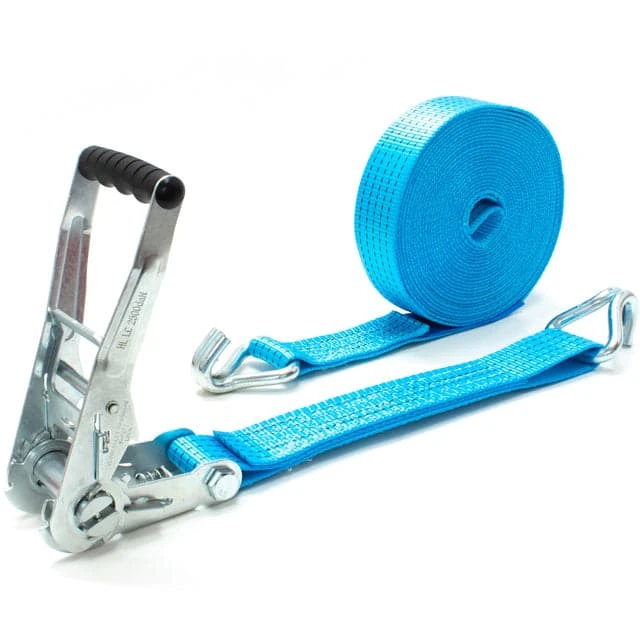

Logistics and shipping operations depend heavily on safe and reliable load securing methods. From local deliveries to international freight movement, ensuring cargo remains stable throughout transit is essential for protecting goods, workers, and vehicles. One of the most widely used tools for this purpose is rachet straps. These simple yet highly effective securing devices have become a standard solution across logistics and shipping due to their strength, flexibility, and ease of use.
This article explores the common uses of rachet straps in logistics and shipping, explaining how they contribute to operational efficiency, safety, and cargo protection across various transport environments.
Understanding Rachet Straps in Cargo Securing
What Rachet Straps Are
Rachet straps are load securing devices made from high strength webbing combined with a ratcheting mechanism that allows controlled tightening. Once tension is applied, the mechanism locks in place to prevent loosening during movement. This feature makes rachet straps especially effective for securing loads exposed to vibration, sudden stops, and directional changes.
Why They Are Essential in Logistics
In logistics and shipping, cargo is often handled multiple times and transported over varying distances. Rachet straps provide a consistent and adjustable method for securing loads, making them suitable for a wide range of cargo types and transport modes.
Securing Palletized Goods
Stabilizing Pallets During Transport
One of the most common uses of rachet straps is securing palletized goods on trucks, trailers, and shipping platforms. Pallets stacked with boxes or materials can shift if not properly restrained. Rachet straps help keep pallets firmly in place, reducing the risk of movement during transit.
Supporting Efficient Loading and Unloading
By keeping pallets stable, rachet straps allow for safer and faster loading and unloading. Forklift operators and warehouse staff can handle secured pallets with greater confidence, minimizing delays and reducing the risk of product damage.
Use in Truck and Trailer Transportation
Flatbed Truck Applications
Flatbed trucks frequently transport oversized or irregularly shaped cargo that cannot be enclosed. Rachet straps are essential in these situations, as they provide adjustable tension to hold loads securely against the truck bed and anchor points.
Enclosed Trailer Load Control
Even within enclosed trailers, loads can shift if not properly secured. Rachet straps help prevent cargo from moving forward or sideways, especially during braking or cornering.
Securing Oversized and Irregular Loads
Handling Non Standard Cargo Shapes
Logistics operations often involve transporting machinery, equipment, or construction materials with irregular shapes. Rachet straps offer flexibility in wrapping around these items and securing them at multiple points.
Adapting to Variable Load Dimensions
The adjustable length and tension of rachet straps make them suitable for loads of varying sizes. This adaptability reduces the need for multiple securing tools and simplifies cargo preparation.
Container and Intermodal Shipping Uses
Supporting Container Stability
In container shipping, rachet straps are used to secure cargo inside containers, preventing internal movement during sea or rail transport. This is particularly important for mixed loads where different items share the same container.
Use in Intermodal Transport
Intermodal shipping involves transferring cargo between trucks, trains, and ships. Rachet straps provide consistent load security across these transitions, helping maintain stability throughout the journey.
Protecting Fragile and High Value Goods
Preventing Load Shifting and Impact
Fragile items such as electronics, glass products, or precision equipment require extra care during shipping. Rachet straps help prevent sudden shifts that could cause impact damage.
Maintaining Controlled Tension
Unlike ropes or elastic tie downs, rachet straps allow controlled tightening. This ensures loads are secured firmly without excessive pressure that could damage delicate goods.
Use in Warehousing and Distribution Centers
Securing Loads for Internal Movement
Within warehouses, rachet straps are often used to secure loads on pallets or carts before moving them to different storage areas. This practice improves safety and reduces the risk of items falling during transport.
Temporary Load Stabilization
Rachet straps are also used for temporary stabilization during storage or staging. This is particularly useful in busy distribution centers where goods may be moved frequently.
Enhancing Safety in Logistics Operations
Reducing Workplace Accidents
Unsecured cargo is a major cause of accidents in logistics environments. Rachet straps help reduce these risks by keeping loads stable and predictable during handling and transport.
Supporting Compliance With Safety Standards
Many logistics and shipping regulations require proper load securing methods. Using rachet straps helps businesses meet these standards and avoid penalties related to unsafe cargo handling.
Supporting Efficiency and Productivity
Faster Cargo Preparation
Rachet straps are quick to apply and adjust, allowing workers to secure loads efficiently. This speed is essential in high volume logistics operations where time is a critical factor.
Reducing Equipment Downtime
By preventing load shifts and damage, rachet straps help reduce delays caused by accidents or cargo loss. This contributes to smoother operations and improved delivery schedules.
Use in Last Mile Delivery
Securing Mixed Loads
Last mile delivery vehicles often carry mixed loads with varying sizes and weights. Rachet straps help organize and secure these items, preventing movement during frequent stops.
Improving Driver Confidence
Drivers benefit from knowing that cargo is securely restrained. This confidence allows them to focus on safe driving rather than worrying about load stability.
Durability and Reusability in Shipping Operations
Long Term Use Benefits
Rachet straps are designed for repeated use, making them a cost effective solution for logistics operations. With proper care and inspection, they can provide reliable performance over extended periods.
Easy Storage and Handling
When not in use, rachet straps can be rolled and stored easily without taking up much space. This convenience supports efficient equipment management in logistics facilities.
Inspection and Maintenance in Logistics Use
Importance of Regular Checks
Before each use, rachet straps should be inspected for wear, fraying, or damage to the ratcheting mechanism. Regular inspections help maintain safety and reliability.
Extending Service Life
Proper storage and handling practices help extend the lifespan of rachet straps. Keeping them clean and protected from sharp edges reduces unnecessary wear.
Role of Rachet Straps in Risk Management
Minimizing Cargo Loss
Cargo loss due to shifting or falling loads can be costly. Rachet straps help minimize this risk by providing secure and dependable load restraint.
Protecting Business Reputation
Consistent use of proper load securing methods reflects professionalism and reliability. Secure deliveries help maintain customer trust and satisfaction.
Conclusion
Rachet straps play a vital role in logistics and shipping by providing a reliable, flexible, and efficient solution for securing cargo. Their wide range of uses includes stabilizing palletized goods, securing oversized loads, protecting fragile items, and supporting safe transport across multiple modes. By reducing risks, improving efficiency, and supporting compliance, rachet straps remain an essential tool in modern logistics operations.
For dependable load securing solutions and expert guidance, UK Lifting Store continues to support logistics and shipping professionals with equipment designed to meet demanding operational needs.



























Sign in to leave a comment.