
Obesity poses a significant challenge in today's society, stemming from various factors such as sedentary lifestyles, dietary habits, genetic predispositions, hormonal imbalances, and more. While gaining weight may seem effortless, shedding it becomes a formidable task. For those struggling with
obesity despite concerted efforts, bariatric surgery, also known as weight reduction surgery, might be recommended by healthcare professionals.
Choosing between Gastric Bypass and Gastric Sleeve:
For individuals considering bariatric surgery to address weight loss, there are several options available. Among the most commonly chosen procedures are gastric sleeve surgery and gastric bypass surgery, each with distinct characteristics despite sharing the common goal of weight reduction.
This article delves into the differences between gastric sleeve surgery and gastric bypass surgery to aid individuals in making informed decisions. However, it's imperative to discuss these options thoroughly with a healthcare provider.
Also Read : Obesity in Men: How it Affects Quality of Life
Understanding Gastric Sleeve Surgery:
Gastric sleeve surgery involves the removal of a portion of the stomach, also known as a vertical sleeve gastrectomy. This procedure aims to reduce food intake, making it the most prevalent bariatric surgery worldwide.
Candidates for Gastric Sleeve Surgery:
Those with a body mass index (BMI) exceeding 40, where obesity is a significant concern. Individuals with a BMI ranging from 35 to 39.9, accompanied by existing medical conditions such as type 2 diabetes, hypertension, or obstructive sleep apnea. Individuals with uncontrolled type 2 diabetes and a BMI falling between 30 and 34.9%. Expected Outcomes of Gastric Sleeve Surgery:
Patients can anticipate losing 60%–70% of their excess body weight within 12 to 18 months post-surgery, provided they adhere to recommended dietary and lifestyle changes.
The Procedure:
Gastric sleeve surgery is typically performed laparoscopically, involving the removal of a significant portion of the stomach to create a smaller, banana-shaped organ. This results in reduced caloric intake.
Potential Risks:
Complications associated with gastric sleeve surgery may include reflux or heartburn, loose skin due to weight loss, and deficiencies in essential vitamins and nutrients.
Cost and Availability:
Exact cost estimates for gastric sleeve surgery vary and should be discussed with a surgeon. Dr. Atul Shah, a Best Gastroenterologist Surgeon In Ahmedabad, offers this procedure.
Understanding Gastric Bypass Surgery:
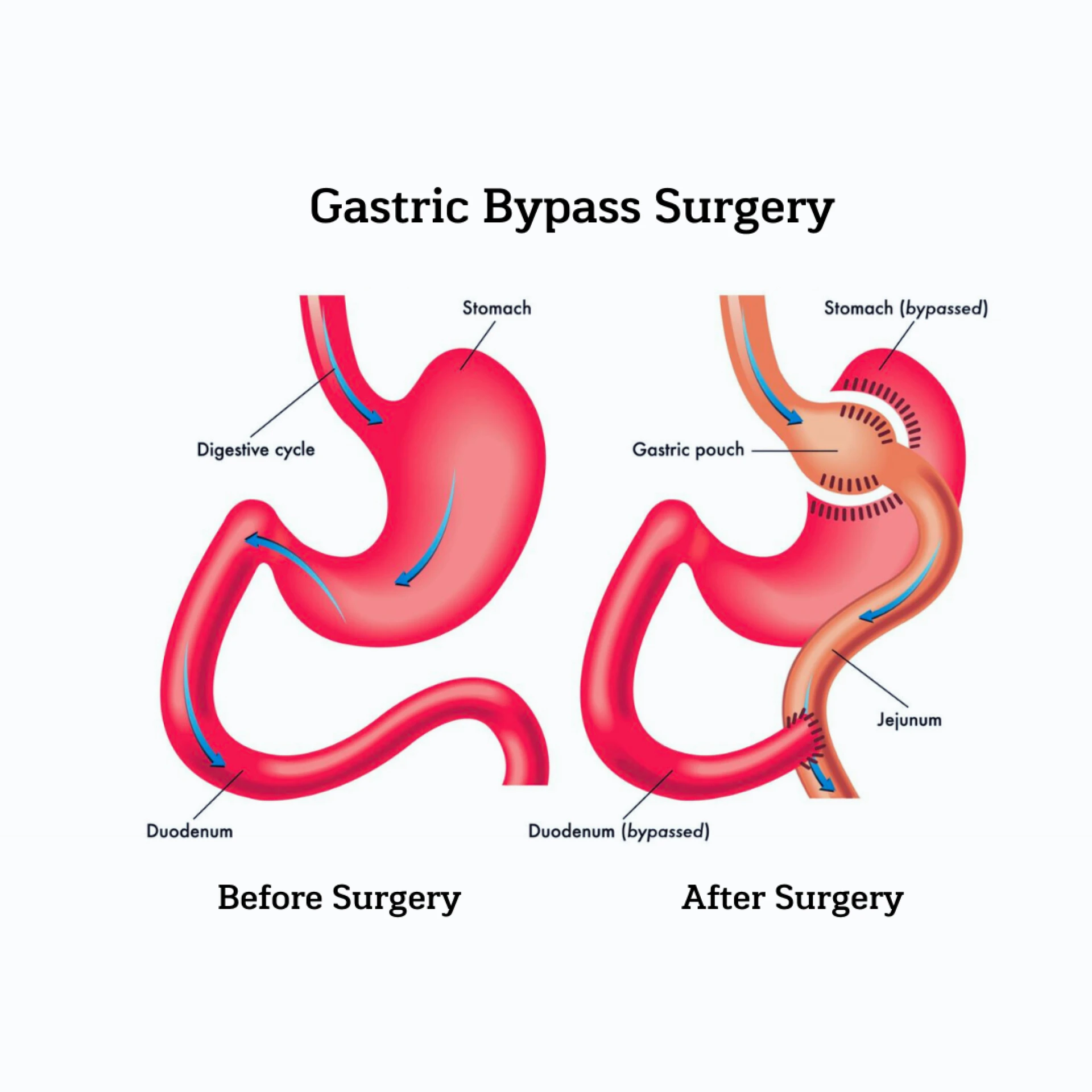
Gastric bypass, also known as Roux-en-Y gastric bypass, is another widely utilized method for weight loss. This procedure alters the digestion process to aid in weight reduction, albeit with slightly higher risks and a longer recovery period compared to gastric sleeve surgery.
Candidates for Gastric Bypass Surgery:
Typically recommended for individuals over 45 who have unsuccessfully attempted other weight-loss methods.
Expected Outcomes:
Patients can expect to lose between 60% and 80% of their excess body weight within the first 12 to 18 months post-surgery.
The Procedure:
During gastric bypass surgery, the stomach is reduced in size, limiting food intake, and altering the digestive process by connecting a small pouch directly to the small intestine.
Potential Risks:
Gastric bypass surgery carries higher risks and potential adverse effects compared to gastric sleeve surgery, including nutritional deficiencies, colon blockages, ulceration, and gallstones.
Cost and Availability:
The cost of gastric bypass surgery varies based on individual cases and should be discussed with a surgeon. Dr. Atul Shah, a renowned surgeon in Ahmedabad, offers this procedure.
Choosing the Right Treatment:
The ideal bariatric surgery option depends on factors such as underlying medical conditions, current weight, health history, and weight loss goals. A consultation with a bariatric surgeon, such as Dr. Atul Shah, can help determine the most suitable approach by weighing the benefits and drawbacks of each procedure.
Conclusion:
Both gastric sleeve and gastric bypass surgeries are effective methods for weight loss, each with its advantages and disadvantages. While gastric sleeve surgery is more straightforward and typically associated with fewer adverse effects, gastric bypass surgery may be more beneficial for individuals requiring substantial weight loss.
For those considering weight loss surgery, consulting an experienced bariatric surgeon like Dr. Atul Shah is crucial for making informed decisions and improving overall health.






























Sign in to leave a comment.