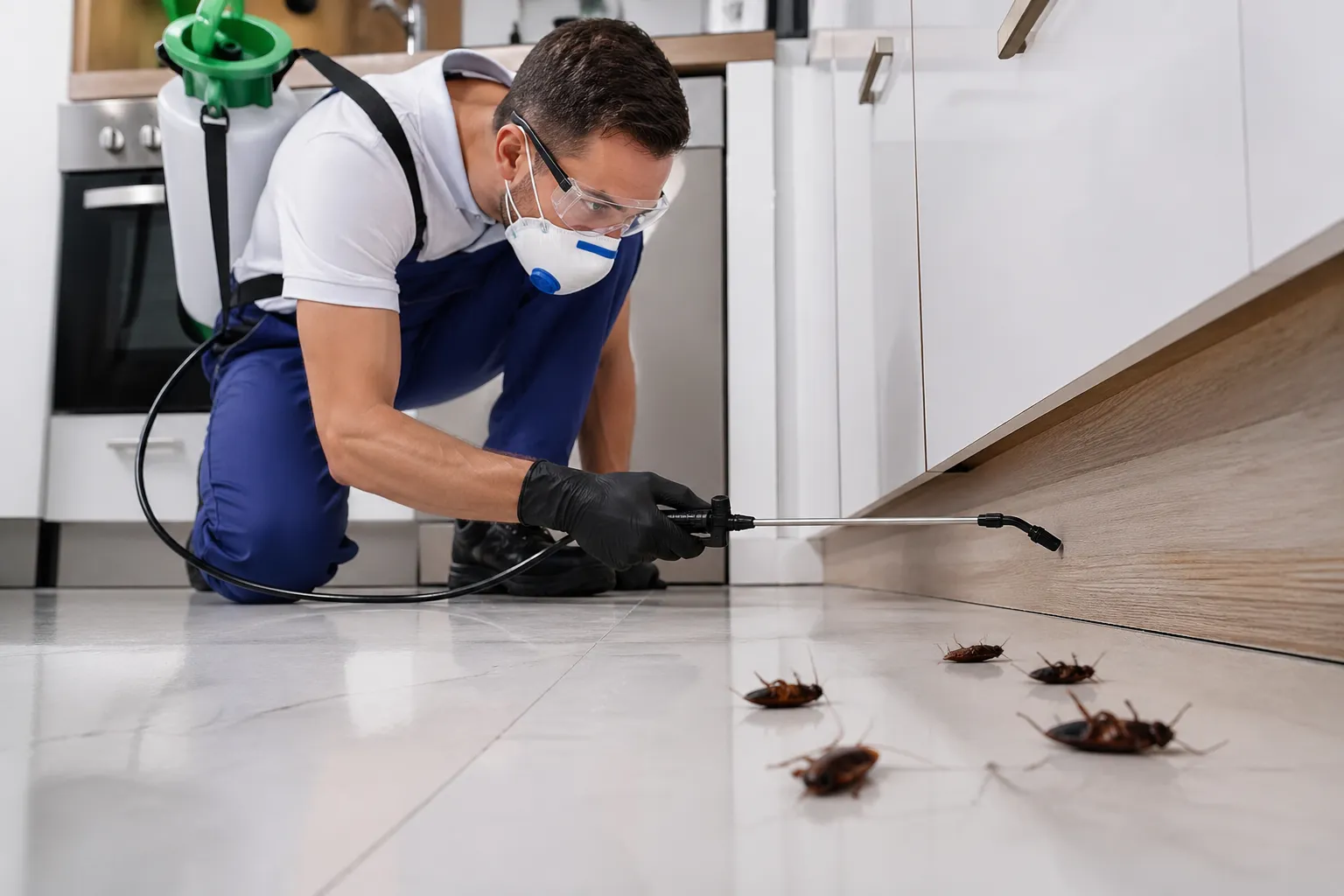

Fleas are among the most frustrating household pests for homeowners throughout Canada. These tiny insects are known for their ability to jump long distances and reproduce quickly. While fleas are most commonly associated with pets, they can also infest homes and become a serious nuisance for families. Once established indoors, flea populations can spread rapidly and become difficult to manage without proper treatment.
Professional Flea Removal is important for maintaining a healthy and comfortable home environment. Fleas feed on the blood of animals and humans, causing irritation and discomfort through their bites. Understanding how fleas enter homes, where they hide, and what attracts them can help homeowners prevent infestations and protect their families.
What Are Fleas
Fleas are small wingless insects that survive by feeding on blood. Their flattened bodies allow them to move easily through animal fur, carpeting, furniture, and fabrics.
Adult fleas are usually dark brown and extremely mobile. Although they are tiny, their powerful legs allow them to jump remarkable distances relative to their size.
Because of their rapid reproduction cycle, even a small flea problem can quickly develop into a significant infestation if left untreated.
Understanding flea biology helps homeowners take effective steps toward prevention and control.
Why Fleas Are Common in Canada
Fleas can survive in many regions across Canada, especially in homes where pets are present.
Cats and dogs often serve as primary hosts, allowing fleas to feed, reproduce, and spread throughout living spaces. Wildlife such as squirrels, raccoons, and rodents may also introduce fleas onto residential properties.
Modern indoor heating systems provide year-round environments where fleas can continue their life cycle even during colder months.
These factors contribute to flea activity in both urban and rural communities.
How Fleas Enter Homes
Most flea infestations begin when fleas are carried indoors by animals.
Pets that spend time outdoors may pick up fleas while visiting parks, yards, or other locations where infested animals have been present. Once inside, fleas can move from pets into carpets, furniture, bedding, and flooring.
Wildlife activity near homes may also increase infestation risks. Fleas can enter through crawl spaces, attics, garages, and other access points.
Secondhand furniture and infested belongings occasionally contribute to flea introductions as well.
Understanding how fleas enter the home is essential for successful prevention.
Understanding the Flea Life Cycle
The flea life cycle consists of four stages: egg, larva, pupa, and adult.
Adult fleas lay eggs on host animals, but these eggs often fall into carpets, furniture, pet bedding, and cracks in flooring. After hatching, larvae feed on organic material before developing into pupae.
The pupal stage is particularly challenging because developing fleas remain protected inside cocoons. Once environmental conditions become favorable, adult fleas emerge and begin searching for hosts.
Because multiple life stages may be present simultaneously, complete flea management requires a comprehensive approach.
Signs of a Flea Infestation
Early detection is critical for successful Flea Removal.
One of the most common signs is excessive scratching by pets. Animals may bite, lick, or chew areas where fleas are feeding.
Homeowners may also notice small jumping insects on floors, furniture, or pet bedding. Flea bites on humans often appear as small red itchy spots, particularly around ankles and lower legs.
Tiny dark particles known as flea dirt may be visible in pet fur, bedding, or resting areas.
Recognizing these warning signs early can prevent larger infestations from developing.
Health Concerns Associated With Fleas
Fleas can affect both pets and people.
For pets, repeated bites may cause skin irritation, allergic reactions, and discomfort. Severe infestations can lead to hair loss and skin problems due to excessive scratching.
Humans may experience itching and irritation following flea bites. Some individuals are more sensitive and may develop stronger reactions.
Maintaining effective flea management supports better comfort and well-being for everyone in the household.
Areas Where Fleas Commonly Hide
Fleas spend much of their time hidden within the environment.
Carpets provide ideal conditions because they protect eggs, larvae, and pupae. Upholstered furniture, rugs, pet bedding, floor cracks, and baseboards are also common hiding locations.
Areas where pets spend significant time often contain the highest concentrations of flea activity.
Thorough inspections help identify problem areas before infestations become widespread.
Why Flea Infestations Grow Quickly
Fleas reproduce rapidly under favorable conditions.
A single adult female can produce numerous eggs during her lifetime. Because eggs are deposited throughout the home environment, populations can expand before homeowners recognize the problem.
Warm temperatures, access to hosts, and protected hiding places all contribute to rapid population growth.
Without intervention, infestations may continue developing for weeks or months.
Pet Care and Flea Prevention
Pets play a central role in flea management.
Regular grooming helps identify flea activity early. Homeowners should inspect their pets frequently, particularly after outdoor activities.
Maintaining clean sleeping areas and washing pet bedding regularly supports overall prevention efforts.
Veterinary guidance may also help homeowners develop effective flea prevention plans tailored to their pets' needs.
Healthy pets contribute significantly to successful flea management.
Cleaning and Sanitation Practices
Consistent cleaning helps reduce flea populations and remove developing life stages.
Vacuuming carpets, rugs, furniture, and baseboards regularly removes eggs, larvae, and adult fleas from the environment. Particular attention should be given to areas where pets rest.
Washing bedding, blankets, and fabrics in hot water further reduces flea activity.
Routine cleaning remains one of the most important components of flea prevention.
Managing Outdoor Areas
The outdoor environment often influences indoor flea activity.
Tall grass, shaded areas, leaf piles, and wildlife habitats can support flea populations around residential properties. Maintaining lawns and landscaping helps reduce favorable conditions.
Removing unnecessary debris and limiting wildlife access may also decrease infestation risks.
Outdoor management complements indoor prevention strategies.
Sealing Entry Points Around the Property
Wildlife and rodents can introduce fleas into homes.
Inspecting and sealing openings around foundations, doors, windows, and utility penetrations helps reduce access opportunities.
Structural maintenance improves overall pest prevention while supporting a healthier home environment.
Preventing animal access can significantly lower future flea risks.
The Importance of Monitoring
Regular monitoring allows homeowners to detect flea activity before infestations become severe.
Observing pet behavior, inspecting bedding, and checking frequently used areas helps identify problems early.
Monitoring is particularly important after treatment because emerging fleas may continue appearing temporarily.
Early detection improves treatment success and minimizes household disruption.
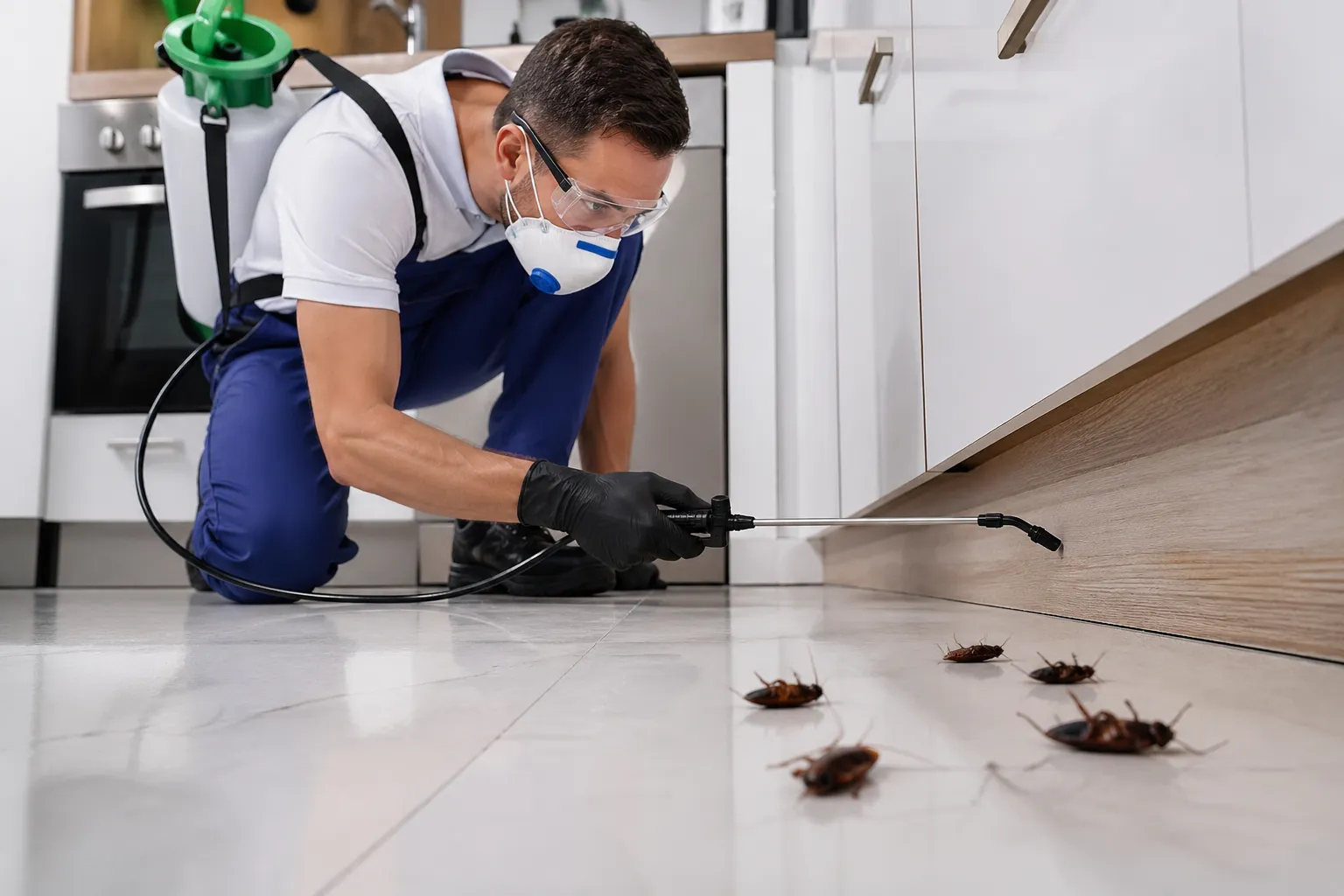
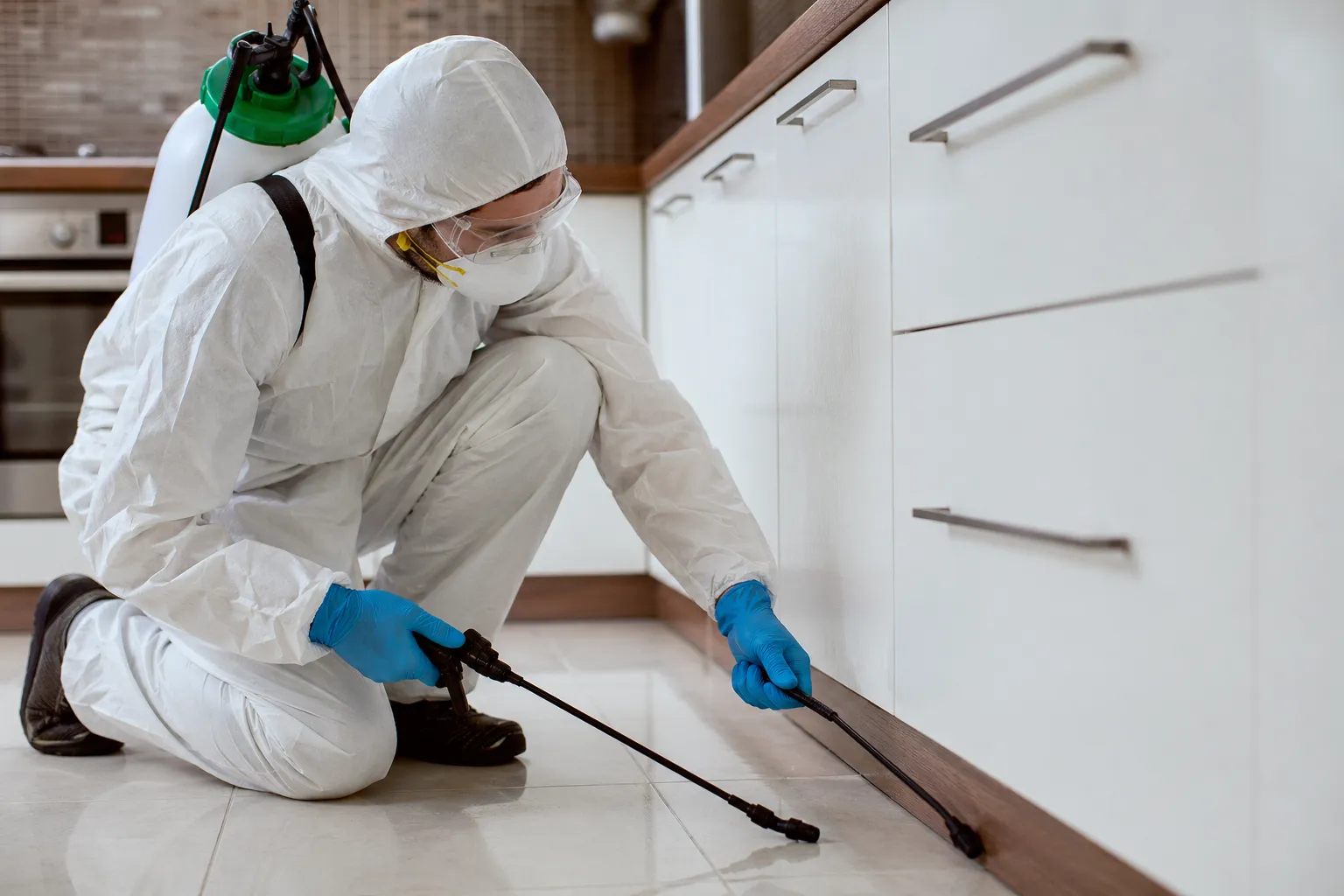
Professional Flea Management Services
Professional pest management specialists provide expertise that improves treatment outcomes.
Comprehensive inspections help identify infestation sources, evaluate environmental conditions, and determine treatment priorities.
Customized plans address all stages of the flea life cycle while supporting long-term prevention goals.
For severe infestations or recurring problems, professional assistance often delivers the most reliable results.
Long-Term Prevention Strategies
Successful flea management requires ongoing effort rather than a single treatment.
Regular cleaning, pet care, outdoor maintenance, and routine inspections all contribute to lasting protection.
Homeowners should remain alert for early warning signs and address issues promptly.
A proactive approach helps prevent future infestations and maintains a more comfortable living environment.
Integrated Pest Management for Fleas
Integrated pest management combines sanitation, monitoring, habitat modification, exclusion, and targeted treatments into a comprehensive strategy.
Rather than focusing only on adult fleas, this approach addresses the entire life cycle and the environmental conditions supporting infestation.
Integrated methods provide sustainable results while reducing recurring pest problems.
This balanced strategy is widely recognized as one of the most effective pest management approaches available.
Frequently Asked Questions
1. How do fleas enter homes?
Fleas commonly enter through pets, wildlife, infested belongings, and animals that spend time outdoors.
2. Can fleas bite humans?
Yes. Fleas may bite humans when suitable animal hosts are unavailable, causing itching and irritation.
3. Where do fleas hide indoors?
Fleas commonly hide in carpets, furniture, rugs, pet bedding, cracks in flooring, and baseboards.
4. Why are flea infestations difficult to eliminate?
Multiple life stages exist simultaneously, including eggs and pupae that remain hidden in the environment.
5. How can I prevent fleas from returning?
Maintain regular cleaning, monitor pets, manage outdoor conditions, and inspect your home routinely for signs of activity.
Conclusion
Fleas are persistent pests that can quickly affect the comfort of both pets and people within the home. Understanding their behavior, recognizing infestation signs, and implementing preventive measures are essential for effective management. Through proper sanitation, pet care, monitoring, and environmental maintenance, homeowners can significantly reduce flea activity and protect their living spaces. For dependable pest management solutions and long-term protection throughout Canada, homeowners can trust My Pest Exterminator for professional support and effective service.



























Sign in to leave a comment.