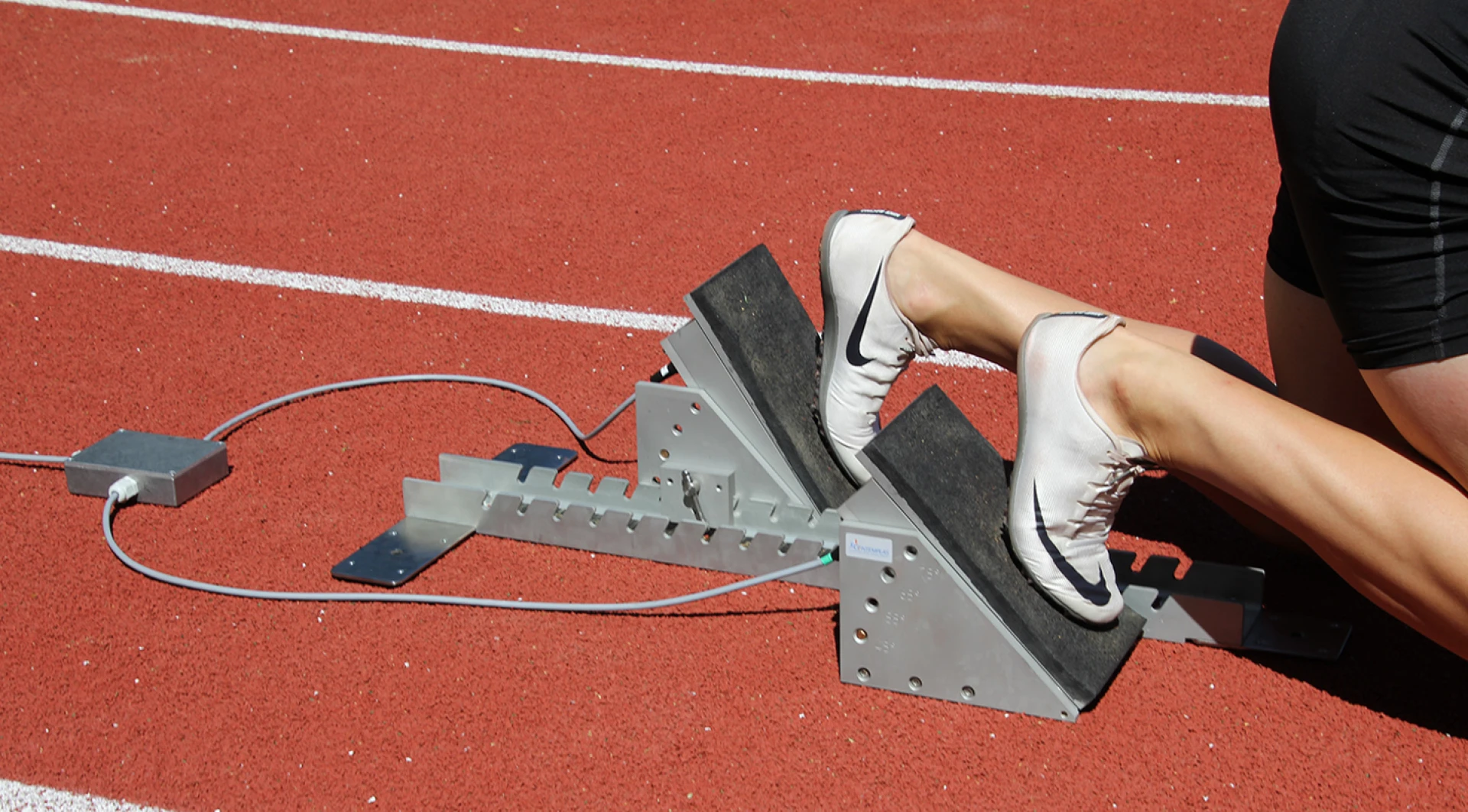
What is Starting Block Analyzer?
A Starting Block Analyzer is a helpful tool used in track and field sports, especially sprinting. It helps athletes and coaches study how a runner starts a race. The first step in any race is very important. If the start is strong and fast, there is a better chance of winning. The starting block analyzer helps in checking how fast the runner reacts, how strong the push is, and how well the body moves.
Many professional athletes use this tool to become faster. It helps them understand their mistakes at the start of the race. By fixing small problems, athletes can improve their speed and performance. This is why coaches and sports teams love using the Starting Block Analyzer.
In this article, we will look at how this tool works, why it is useful, and how you can use it to improve your own sprinting. We’ll also look at different features, how to read the data, and some common mistakes people make.
Let’s get started with the complete guide on the Starting Block Analyzer.
How Starting Block Analyzer Works
The Starting Block Analyzer works by measuring different actions that happen when a sprinter starts a race. It is usually attached to the starting blocks used by runners. These blocks are placed behind the start line and give runners a strong base to push off from. The analyzer collects data like:
- Reaction time (how fast the runner reacts to the signal)
- Force applied (how hard the runner pushes off)
- Angle of push-off
- Time spent in the blocks
All of this information is sent to a computer or a mobile device. Coaches and athletes can see graphs, charts, and numbers that explain what happened during the start. It can even show slow-motion replays or step-by-step frames of the start.
The analyzer uses sensors and timing systems that are very sensitive. These sensors notice even the smallest changes in force or movement. The goal is to help the runner get faster starts by fixing problems that may not be visible to the eye.
For example, if a sprinter reacts too slowly or doesn’t push hard enough, the analyzer will show that. Then, the coach can suggest small changes in technique or posture.
Another cool feature is comparing multiple attempts. An athlete can try several starts, and the analyzer will compare them all to find which one was best.
Using a Starting Block Analyzer is like having a coach that watches your every move closely and gives you a full report in just seconds. It is a great tool to improve performance step by step.
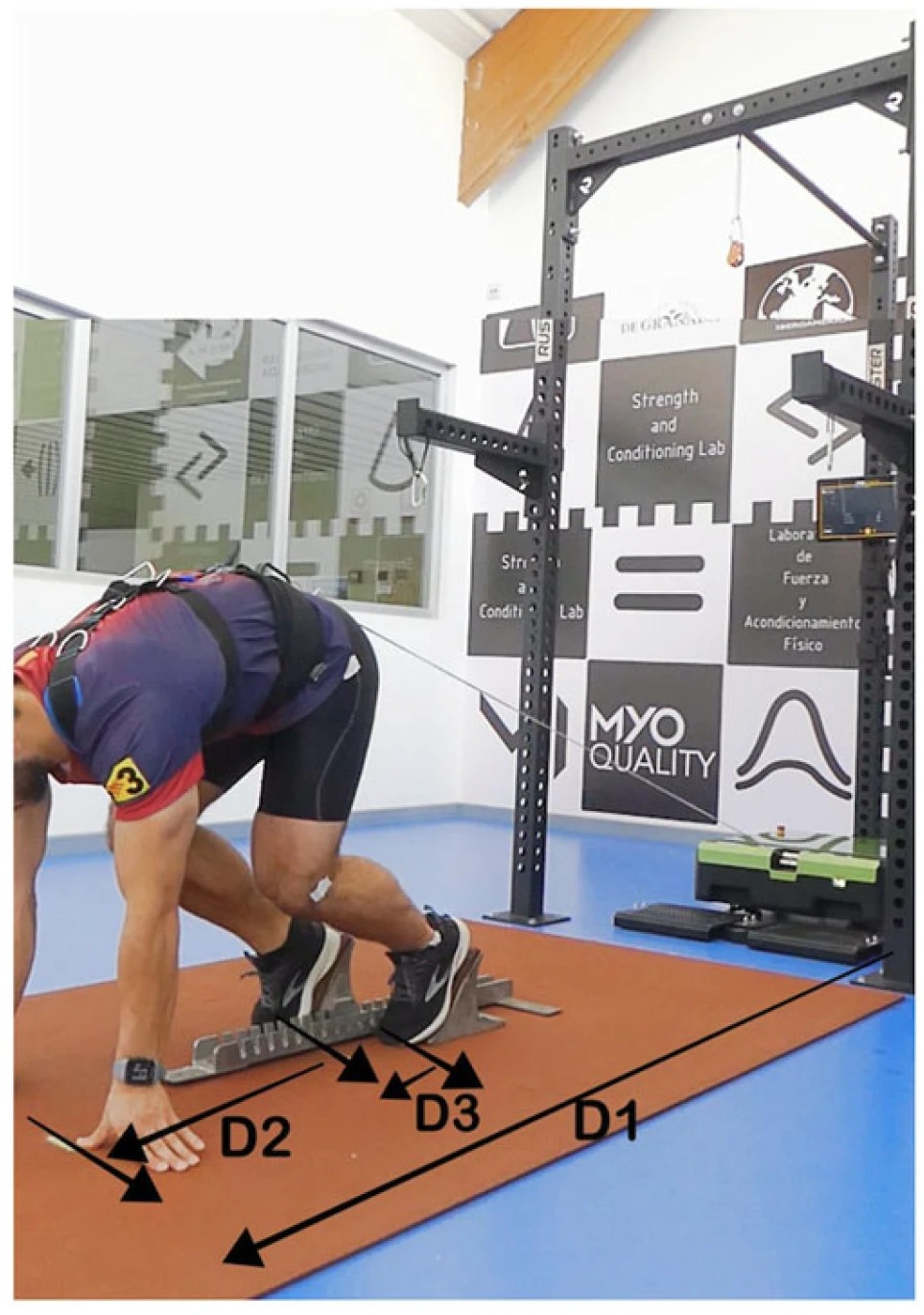
Benefits of Using This Technology
Using a Starting Block Analyzer has many great benefits, especially for athletes who want to improve their speed. Whether you’re a beginner or a professional, this tool can help you grow faster and smarter.
Here are the top benefits:
1. Improves Reaction Time:
Reaction time is how quickly you start running after hearing the gun. A good analyzer can help you react faster by showing exactly how long it takes you to begin moving. Even a 0.1 second improvement can make a big difference in sprint races.
2. Increases Push-off Power:
The analyzer shows how strong your legs push against the blocks. If your push is weak, you can do special exercises to make it better. Stronger pushes mean faster starts and better chances of winning.
3. Helps with Body Position:
Your body angle and position matter a lot during the start. If you bend too much or lean wrong, you lose speed. The analyzer helps find the perfect posture for the best result.
4. Tracks Your Progress Over Time:
You can use the analyzer every week or every month to see how much you've improved. The graphs and reports make it easy to compare your old data with new data.
5. Reduces Injuries:
Wrong posture or technique can lead to injury. By correcting your form early, the analyzer helps prevent long-term injuries. Safe training is always better.
6. Gives Coaches Better Control:
Coaches don’t need to guess anymore. They can use clear numbers and visuals from the analyzer to guide their athletes. This makes training more focused and effective.
7. Builds Confidence:
When runners see their numbers improving, they feel more confident. Confidence leads to better race performance.
In short, the Starting Block Analyzer is not just a fancy gadget—it is a smart assistant that helps you grow stronger, faster, and safer.
Key Features You Should Know
When buying or using a Starting Block Analyzer, it’s good to know the main features. These features help you understand how useful the tool is and how it can meet your training needs.
Here are the key features explained simply:
1. High-Speed Sensors:
These sensors track tiny changes in pressure, movement, and reaction. They are very accurate and give you detailed results in real-time.
2. Real-Time Feedback:
This feature allows coaches and athletes to see results instantly. After one start, you can already know what went right or wrong.
3. Wireless Connectivity:
Many analyzers today use Bluetooth or Wi-Fi to send data to a smartphone or tablet. This makes it easy to see the results without using extra wires or computers.
4. Detailed Reports and Graphs:
You get full reports that include reaction time, force level, push angle, and time in blocks. These reports come with easy-to-read graphs and charts.
5. Video Analysis Integration:
Some analyzers can connect with video tools to show slow-motion replays. You can match your body movements with the data to understand your start better.
6. Multiple User Profiles:
If you are part of a team, the analyzer can store data for many athletes. This allows each runner to have a personal profile and record.
7. Lightweight and Portable:
These analyzers are often small and easy to carry. You can use them at the gym, track, or training camps.
8. Easy Setup:
Most modern analyzers are simple to set up. You just attach them to the starting blocks, connect to your phone or laptop, and begin training.
These features make the Starting Block Analyzer a powerful and user-friendly tool. Whether you’re using it alone or with a coach, it helps take your sprinting to the next level.
How to Read the Data Report
Once you use the Starting Block Analyzer, you’ll receive a report full of numbers and charts. Don’t worry! These reports are easy to understand with a little help. Here’s how to read them in simple terms:
Common data you will see:
1. Reaction Time:
This is how long it takes you to start moving after the start signal. A good reaction time is below 0.20 seconds.
2. Force Output:
This shows how much pressure you apply to the starting blocks. Higher force usually means a faster start.
3. Time in Blocks:
This tells how long you stay on the blocks before launching. Staying too long or too short can affect your sprint.
4. Push Angle:
This is the angle at which your legs push the blocks. A good angle helps you move forward smoothly instead of upward or sideways.
5. Leg Balance:
It shows whether both legs push equally. If one leg is weaker, it may affect your speed and balance.
6. Acceleration Rate:
This is how quickly your speed increases after the start. Fast acceleration helps in winning short-distance races.
Understanding the Graphs:
- Line Graphs: Show changes in speed or force during the start.
- Bar Graphs: Compare your performance in different attempts.
- Pie Charts: Break down your push effort or leg strength.
Comparing Sessions:
You can also compare two or more reports to see if you are improving. Look for shorter reaction times, higher force, and better angles.
With a little practice, reading analyzer reports becomes easy and useful. It helps you spot problems and fix them fast.
Common Mistakes to Avoid
Even with a Starting Block Analyzer, some athletes still make mistakes. Knowing these common errors can help you avoid them and get better results from your training.
Mistake 1: Ignoring the Data
Some runners just look at the numbers and forget to use them. If you don’t act on the information, there is no benefit. Always talk to your coach or review the report carefully.
Mistake 2: Using It Only Once
One-time use won’t help you much. Use the analyzer regularly to track your progress and make step-by-step improvements.
Mistake 3: Wrong Block Setup
Sometimes, runners place the blocks too close or too far apart. This affects the data and your comfort. Make sure your setup is correct and matches your style.
Mistake 4: Poor Warm-Up
If you start without warming up, the analyzer will record slow movements. Always warm up properly to get accurate results.
Mistake 5: Not Asking for Help
If you don’t understand the reports, ask a coach or trainer. They can explain the numbers and help you improve.
Mistake 6: Focusing Only on Force
While force is important, it’s not the only thing. Reaction time, angles, and balance matter too. Work on all parts equally.
By avoiding these mistakes, you can use the Starting Block Analyzer better and improve your sprinting performance.
Tips to Get the Best Results
To get the best results from your Starting Block Analyzer, follow these helpful tips. They will make your training smarter and your performance better.
Tip 1: Use It Regularly
Train with the analyzer weekly or after every session. More data means better tracking of your improvements.
Tip 2: Record Your Attempts
Keep a log of your results. Write down your reaction time, force, and feedback after each session. This helps you notice patterns over time.
Tip 3: Work With a Coach
A coach can guide you better when using the analyzer. They can explain the data and suggest exercises or changes in technique.
Tip 4: Mix With Video Recording
Use video along with the analyzer. Watching yourself run while seeing the data makes everything clearer.
Tip 5: Focus on One Area at a Time
Don’t try to fix everything at once. Work on reaction time this week, and push power next week. This step-by-step method gives better results.
Tip 6: Set Small Goals
Set small goals like reducing your reaction time by 0.05 seconds. Small wins keep you motivated.
Tip 7: Stay Consistent
Use the analyzer during the same type of workouts or races. This helps keep the data fair and accurate.
By following these tips, you’ll make full use of the Starting Block Analyzer and see real improvements in your racing speed.
Conclusion: Your New Sprinting Partner
The Starting Block Analyzer is not just a gadget—it’s your personal sprinting coach. It helps you start better, push harder, and run faster. With clear data and smart feedback, athletes and coaches can work together to get great results.
From measuring reaction times to showing slow-motion starts, this tool brings real change to your training. When used regularly and properly, it can turn a good runner into a great one.
If you want to boost your sprinting game, the Starting Block Analyzer is your best partner on the track.
Frequently Asked Questions (FAQs)
Q1: What is a Starting Block Analyzer used for?
It is used to measure reaction time, force, and position during the start of a sprint race.
Q2: Can beginners use this tool?
Yes, beginners can use it to learn proper technique and improve their starts over time.



























Sign in to leave a comment.