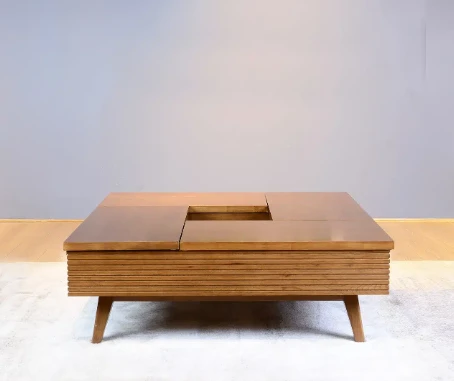

Choosing the perfect solid oak dining table is one of the most important decisions when designing a dining space. The dining table is not only a functional part, but also the focus of the room and a major style declaration. Choosing the right table can not only meet your actual needs but also meet your aesthetic preferences, which is the key to creating a warm and inviting atmosphere for family dining and entertainment.
The dining table is the pillar of the space, so it is very important to choose the appropriate size, shape, and style suitable for the room layout and decoration objectives. In addition to size, consider the material, structural quality, and any multifunctional features of the table, such as leaves or extensions. You want a durable table that can withstand daily use and reflect your personal taste.
Don't underestimate the impact of a carefully selected solid oak dining table. It affects the seating arrangement, traffic flow, and atmosphere of the dining area. Style should be in harmony with your existing decoration and the overall atmosphere you want to achieve, whether it is casual, formal, traditional, or modern. Take the time to evaluate all these factors. After careful thinking and planning, you can choose the perfect table that meets both form and function.
Standard table size
The size of the standard solid oak dining table varies according to the number of seats and the shape of the table. Generally speaking, a good rule of thumb is to make everyone sit comfortably for 24-30 inches.
For rectangular tables, the typical four-person table is 48-60 inches, the six-person table is 60-84 inches, and the eight-person table is 84-108 inches. For a round table, those with a diameter of 42-54 inches can seat 4 people, and those with a diameter of 54-60 inches can seat 6 people.
The standard table height is usually 30 inches. A table with a high counter is usually 36 inches high, while a table with a high bar is 42 inches high. The height of the counter and bar is increased, so you can eat comfortably when standing, such as around the kitchen island.
The shape of the table affects the arrangement of seats. Because all seats are equal, the round table is more suitable for intimate conversation. Rectangular tables are more flexible in length to fit the space, but can create a more formal feeling with the head and feet. Square tables are suitable for small spaces, but the number of seats on both sides is limited. Oval or racetrack-shaped tables combine round intimacy with rectangular versatility.
When planning the size and layout of the table, we must consider the comfortable passages around the table. Leave 24-36 inches of space on both sides of the table for entering and leaving the dining area. Measure the size of the room and mark different table shapes and seating arrangements with square paper. This will ensure that the table you choose is suitable for the room.
Spatial planning and size considerations
Choosing the right size solid oak dining table is very important to ensure that it fits your room. Accurately measure the length and width of the dining area, taking into account any architectural elements, such as bay windows or embedments. Experts suggest that at least 36-48 inches of space should be left around the table, and if it is an area with a large flow of people, more space should be left. This allows people to move freely without bumping into furniture.
When determining the appropriate dining table size, you should consider both the size of your existing dining chairs and the number of people you often entertain. Generally speaking, the width of a rectangular table should be 24-30 inches per person. For example, a table for six people needs to be 5-6 feet long. Round tables usually need more space. When choosing a size, evaluate whether you need extra space to accommodate large centerpieces, plates, placemats, and table mats.
If space is tight, you'd better choose a smaller table. A room filled with an oversized solid oak dining table looks crowded, making serving and entertaining more difficult. Priority is given to functionality and comfort, rather than maximizing seat capacity.
Table shape and its benefits
The shape of the dining table not only affects the appearance, but also affects the function. When choosing the shape of the dining table, you should consider the size and layout of the dining space and your aesthetic preference.
A rectangular table is the most common shape, which works well in a slender dining space. Compared with square and round tables of the same size, they can comfortably accommodate more people. Rectangular tables are ideal for large parties with many guests.
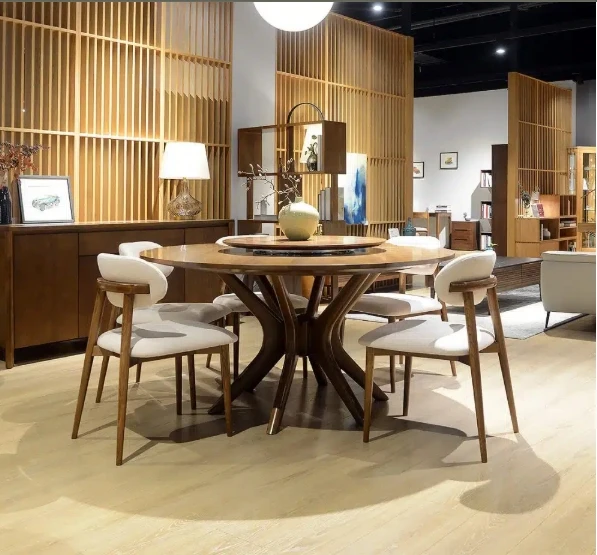
The round, solid oak dining table creates an intimate atmosphere and allows easy conversation because all the seats are equidistant. Round tables work well in a compact space where rectangular tables may be too big. They also allow flexibility in seating arrangements.
Square tables and round tables have a similar comfortable feeling, but they are more suitable for square rooms. They can comfortably seat 4-6 people. The square table has the same seating capacity as the round table, but it takes up less space.
The oval table combines the elegant appearance of a round table with the function of a rectangular table. The oval shape can accommodate more guests and encourage interaction. Ovals work well in narrow restaurants.
Consider your dining space and lifestyle when choosing a shape. Rectangular solid oak dining tables maximize the number of seats, while circles and squares create a sense of intimacy, and ovals achieve balance. Choose a room layout that suits you and the required aesthetic shape.
























Sign in to leave a comment.