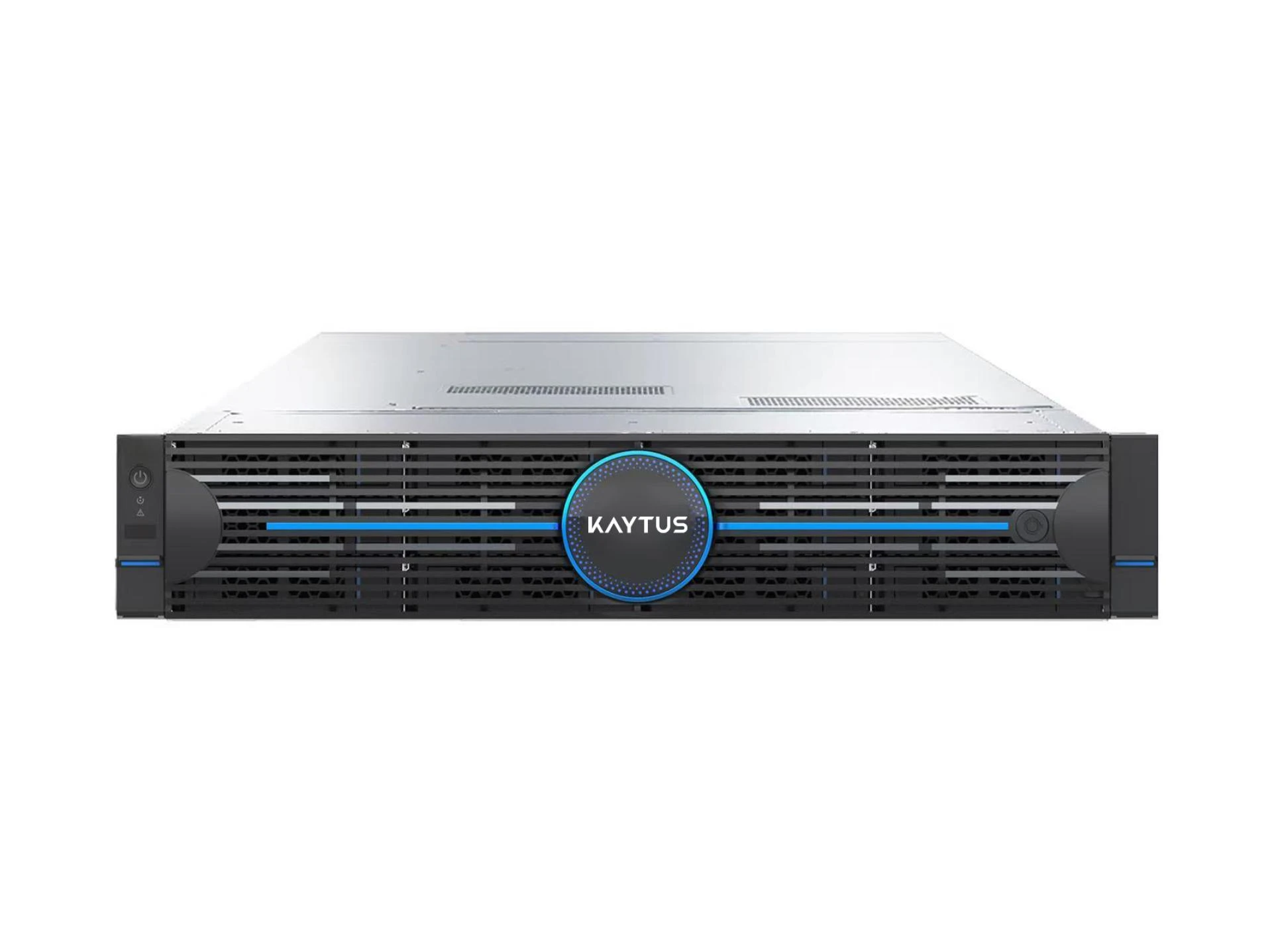

In the digital age, user expectations are sky-high. They demand applications that are fast, reliable, and always available. For developers and system architects, this presents a significant challenge: how do you build a system that can handle a handful of users today and potentially millions tomorrow? The answer often lies in moving beyond a single, monolithic server and embracing the power of a multi-node server architecture.
What Exactly is a Multi-Node Server Environment?
At its core, a multi-node server setup is exactly what it sounds like. Instead of relying on one powerful machine (a single node) to handle all incoming requests, application logic, and database operations, the workload is distributed across multiple, interconnected servers (nodes). Each node in this cluster is an independent computing unit, often a virtual machine or a container, working in concert with its peers to achieve a common goal.
Think of it like a team versus a solo performer. A single server is a brilliant soloist; if they get sick, the concert is canceled. A multi-node server cluster, however, is like a full orchestra. If the first violinist falters, the rest of the ensemble can continue, ensuring the show goes on. This fundamental shift from a single point of failure to a collaborative, distributed system is what makes this architecture so robust.
The Compelling Advantages of a Distributed System
The decision to implement a multi-node server environment is driven by several critical benefits that are essential for modern applications:
1. High Availability and Fault Tolerance: This is the most significant advantage. In a single-server setup, a hardware failure, a software bug, or a routine maintenance window can take your entire application offline. In a multi-node cluster, if one node fails, the load balancer (the traffic director for the cluster) simply stops sending requests to it and redistributes the traffic to the remaining healthy nodes. Users might experience a slight performance dip, but the service remains operational.
2. Scalability (Horizontal Scaling): When your user base grows, a single server will eventually hit its limits (CPU, memory, I/O). Scaling vertically (adding more power to the same machine) is expensive and has a ceiling. A multi-node server architecture allows for horizontal scaling. You can simply add more nodes to the cluster to handle increased load. This is a more cost-effective and flexible approach, especially in cloud environments where you can spin up new nodes on demand.
3. Load Distribution: A well-designed multi-node server setup efficiently balances the computational load. Incoming requests are spread evenly across all available nodes, preventing any single machine from becoming a bottleneck. This leads to lower latency, faster response times, and a smoother user experience, even during traffic spikes.
Key Components and Considerations
Building an effective multi-node environment isn't as simple as just launching several servers. It requires careful planning and the integration of key components:
Load Balancer: The gateway to your cluster. It acts as the single entry point for all client requests and decides which node should handle each one, using algorithms like Round Robin or Least Connections.
Shared-Nothing Architecture: For optimal resilience, nodes should be stateless wherever possible. They shouldn't store unique, persistent data locally. Instead, session data should be stored in a distributed cache (like Redis), and all persistent data must reside in a shared, centralized database or a distributed database cluster that is itself built on a multi-node server principle.
Service Discovery: In a dynamic environment where nodes can be added or removed, how do they find each other? Tools like Consul, etcd, or Zookeeper allow nodes to automatically register themselves and discover the endpoints of other services they depend on.
Conclusion: The Path to Resilient and Scalable Applications
While a single-server setup might be sufficient for a small, internal prototype, any application destined for a public audience must be built with scalability and resilience in mind. The transition to a multi-node server architecture is a foundational step in that journey. It future-proofs your application, ensuring that it can grow with your user base and withstand the inevitable failures that occur in any complex system. By distributing workload, eliminating single points of failure, and enabling seamless scaling, a multi-node server environment isn't just a technical choice—it's a strategic business decision for building software that lasts and thrives in a demanding digital landscape.






























Sign in to leave a comment.