

A driveway does more than give you a place to park your car. It shapes the first impression of your home, adds property value, and handles daily wear from vehicles, changing weather, and constant foot traffic. That’s why homeowners in Kitchener are paying closer attention to proper driveway installation methods instead of rushing through the process just to save time or money.
Many people compare concrete and asphalt paving Kitchener options before deciding what works best for their property. Asphalt can be cost effective and quicker to install, but concrete remains one of the most durable choices for homeowners looking for long term performance with less maintenance over the years. Still, even the strongest material can fail early if the installation process isn’t done correctly from the beginning.
Proper Ground Preparation Matters More Than Most People Think
One of the biggest mistakes contractors make is rushing through the base preparation stage. It might not be the exciting part of the project, but it’s honestly the foundation of everything. If the ground underneath shifts or settles unevenly, the driveway will eventually crack no matter how good the concrete looks on day one.
Professional installers remove soft soil, debris, roots, and unstable materials before adding a compacted gravel base. This layer improves drainage and supports the concrete evenly. Without proper compaction, you can start seeing dips and surface movement within just a few seasons.
Good preparation also helps prevent water buildup under the slab. Water is one of the main reasons driveways fail earlier than expected, especially in areas with freezing winters.
Choosing the Right Concrete Mix Makes a Huge Difference
Not all concrete is the same. Some homeowners assume concrete is just concrete, but the mix design actually changes how well the surface handles weather and heavy vehicle pressure.
A quality driveway installation uses a mix designed specifically for exterior residential surfaces. The correct strength rating, air entrainment, and water content all matter. Too much water in the mix weakens the final surface, even if it makes pouring easier during installation.
Experienced contractors usually recommend stronger mixes for homes with larger vehicles or heavier traffic. It costs slightly more upfront, but it can save thousands in repairs later.
Honestly, this is one of those things homeowners rarely notice until problems appear years down the road.
Weather Conditions During Installation Are Extremely Important
Concrete installation depends heavily on timing and weather conditions. Pouring concrete during extreme heat, rain, or freezing temperatures can weaken the curing process.
Hot weather may cause the surface to dry too quickly, leading to shrinkage cracks. Cold weather slows curing and may affect the overall strength if temperatures drop too low.
Professional contractors monitor forecasts carefully before scheduling installation dates. They also use curing techniques that help concrete harden evenly and maintain its structural integrity over time.
Sometimes delaying the project by a few days is the smarter decision, even if it feels inconvenient at the moment.
Why Thickness Should Never Be Ignored
Driveway thickness directly impacts durability. Residential driveways generally need at least four inches of concrete, but heavier vehicles may require thicker slabs for better support.
A thinner driveway may look perfectly fine initially, but over time it becomes more vulnerable to cracking under repeated pressure. Delivery trucks, RVs, and large SUVs place significant stress on the surface.
Contractors who cut corners on thickness usually create bigger problems for homeowners later. Unfortunately, these shortcuts are hard to notice until damage starts appearing.
concrete driveway Kitchener
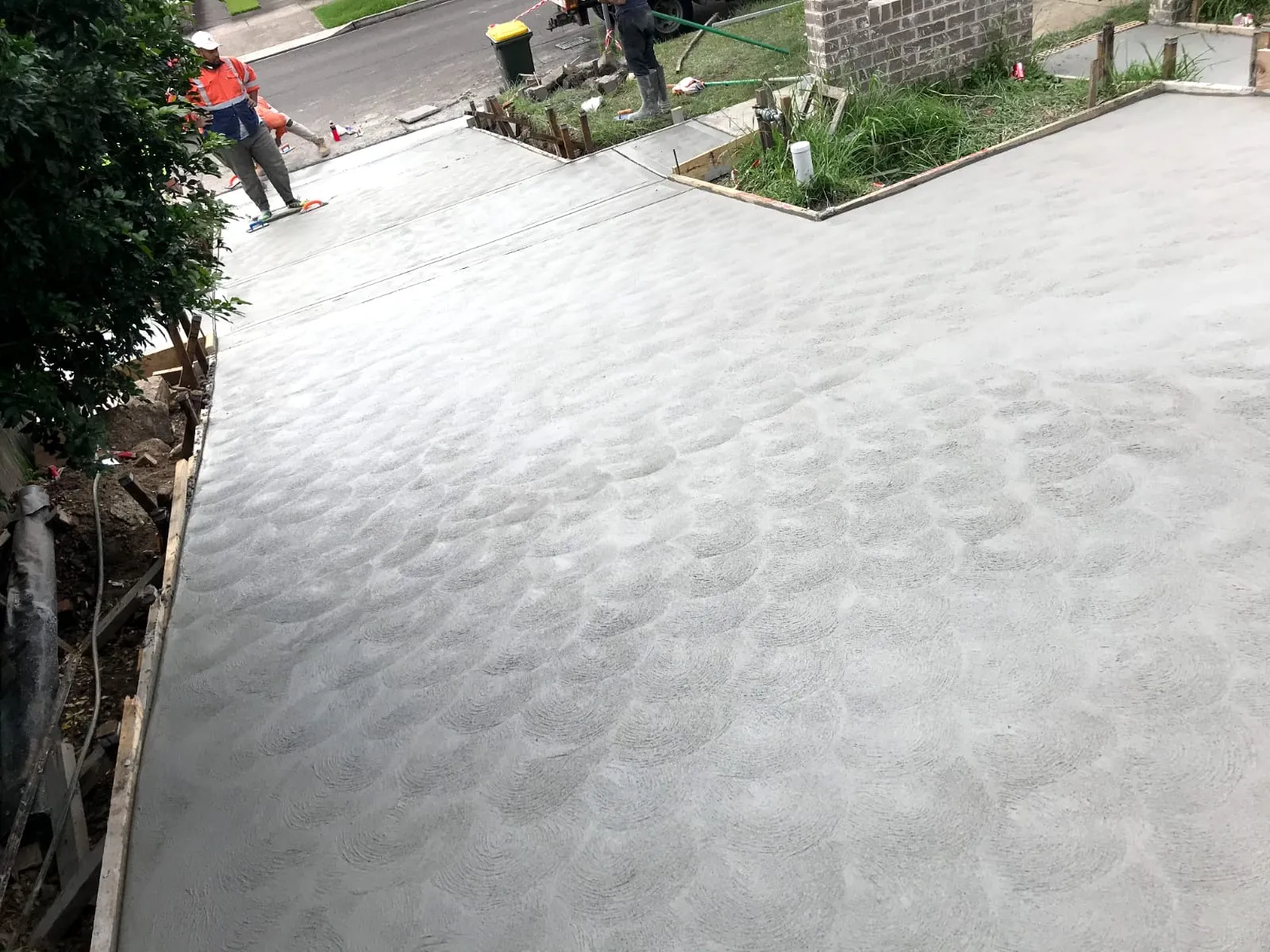
Homeowners investing in a concrete driveway Kitchener project should focus on long term value rather than just the initial price quote. A properly installed concrete driveway can last decades with minimal repairs when the right materials, reinforcement, and installation methods are used from the start.
Reinforcement plays an important role here too. Steel mesh or rebar helps strengthen the slab and reduce movement caused by temperature changes or shifting soil. While reinforcement may increase installation costs slightly, it provides additional stability that pays off over time.
Expansion joints are another detail that should never be skipped. Concrete naturally expands and contracts with seasonal temperature changes. Joints allow controlled movement and reduce the chance of random cracking across the surface.
Drainage Planning Prevents Serious Future Damage
Poor drainage can destroy even a well built driveway. Water pooling around the surface slowly weakens the soil underneath and increases the risk of cracks, sinking, and erosion.
Professional driveway installers create proper slopes that direct water away from the driveway and your home’s foundation. This detail often goes unnoticed because homeowners focus mostly on appearance, but drainage affects the lifespan of the driveway more than decorative finishes ever will.
It’s kind of funny how the invisible parts of construction are usually the most important ones.
Sealing Helps Protect the Surface
Concrete sealing adds a protective barrier against moisture, salt, oil stains, and freeze thaw damage. While concrete is strong on its own, sealing helps extend its lifespan significantly.
Most professionals recommend sealing a new driveway after it fully cures, then resealing every few years depending on climate conditions and traffic levels.
Salt from winter roads can be especially damaging in colder regions. Without protection, moisture enters tiny surface pores and expands during freezing temperatures, causing surface deterioration over time.
A simple maintenance schedule can prevent many expensive repair issues later.
Avoid Heavy Traffic Too Soon
One common mistake homeowners make is using the driveway too early. Concrete continues curing long after it appears dry on the surface.
Walking on the driveway may be safe within a day or two, but vehicles should stay off the surface for at least a week, sometimes longer depending on weather conditions and concrete strength.
Rushing this process can weaken the surface before it fully hardens. Patience during curing can add years to the driveway’s lifespan.
Maintenance Keeps the Driveway Looking Better for Longer
Even high quality driveways need occasional maintenance. Cleaning oil spills quickly, resealing the surface, and repairing small cracks early all help prevent bigger problems.
Seasonal inspections are also helpful. Small surface issues often become expensive structural repairs when ignored for too long.
Homeowners researching driveway paving Guelph services often notice that companies offering long warranties usually place strong emphasis on maintenance and proper aftercare. That’s because long term performance depends just as much on upkeep as it does on installation quality.
Conclusion
A concrete driveway is a major investment, and long term performance starts with proper installation from the very beginning. Strong base preparation, quality materials, correct thickness, drainage planning, and careful curing all play a role in creating a driveway that lasts for decades instead of just a few years.
Homeowners sometimes focus mainly on appearance or pricing, but the real value comes from durability and reduced future repairs. A professionally installed driveway not only improves curb appeal but also saves money and frustration over time.
At the end of the day, a driveway should do more than just look good after installation. It should stay strong through changing seasons, heavy traffic, and years of daily use without becoming a constant repair project.




















Sign in to leave a comment.