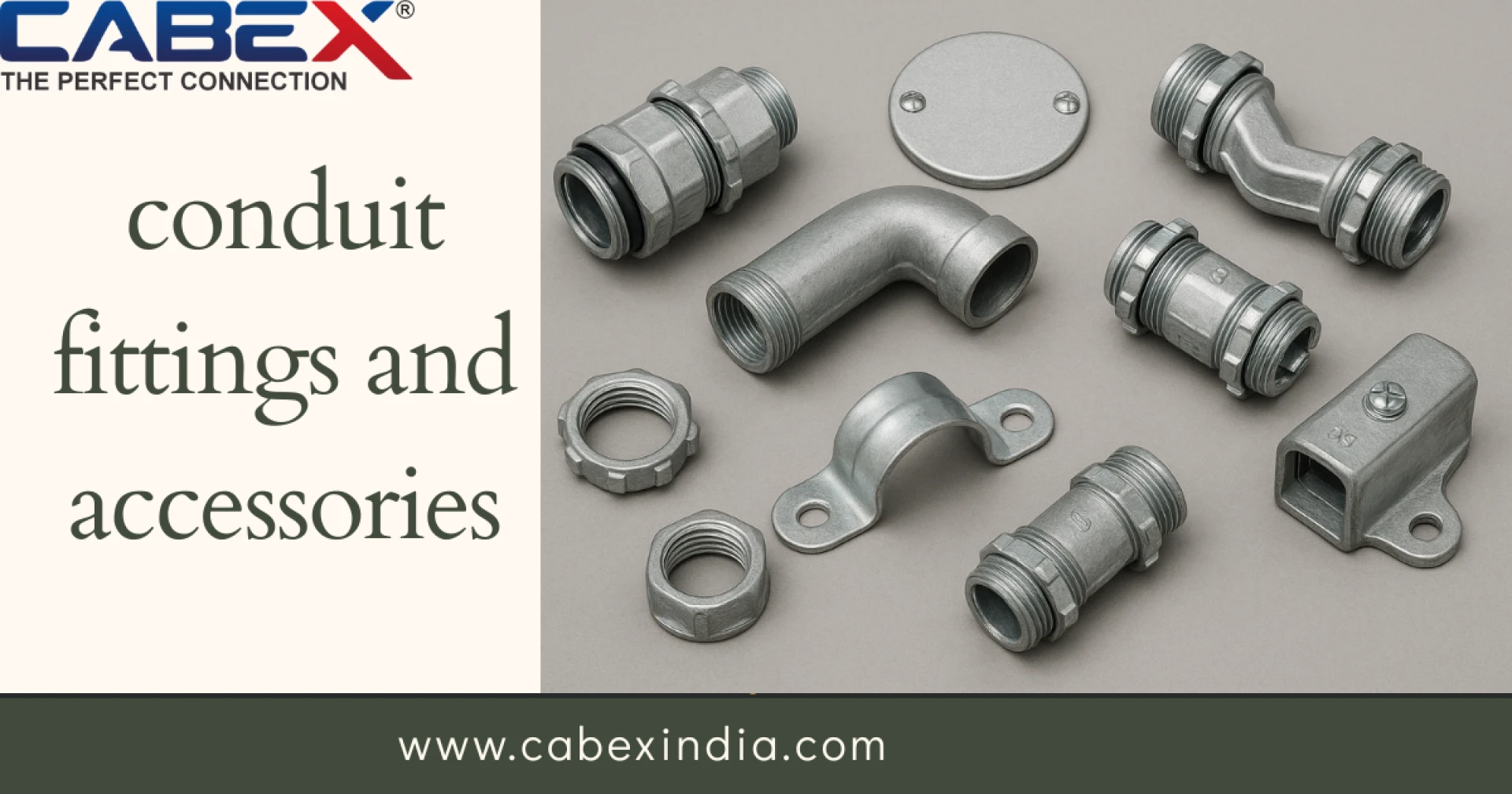
In modern electrical installations, conduit fittings and accessories are essential components that ensure safe, efficient, and organized wiring systems. Whether for residential, commercial, or industrial applications, these accessories provide the structural and protective support needed to guide and secure electrical wiring. As safety standards and infrastructure projects expand in 2025, the demand for durable and compliant conduit fittings continues to grow rapidly.
⚡ What Are Conduit Fittings and Accessories?
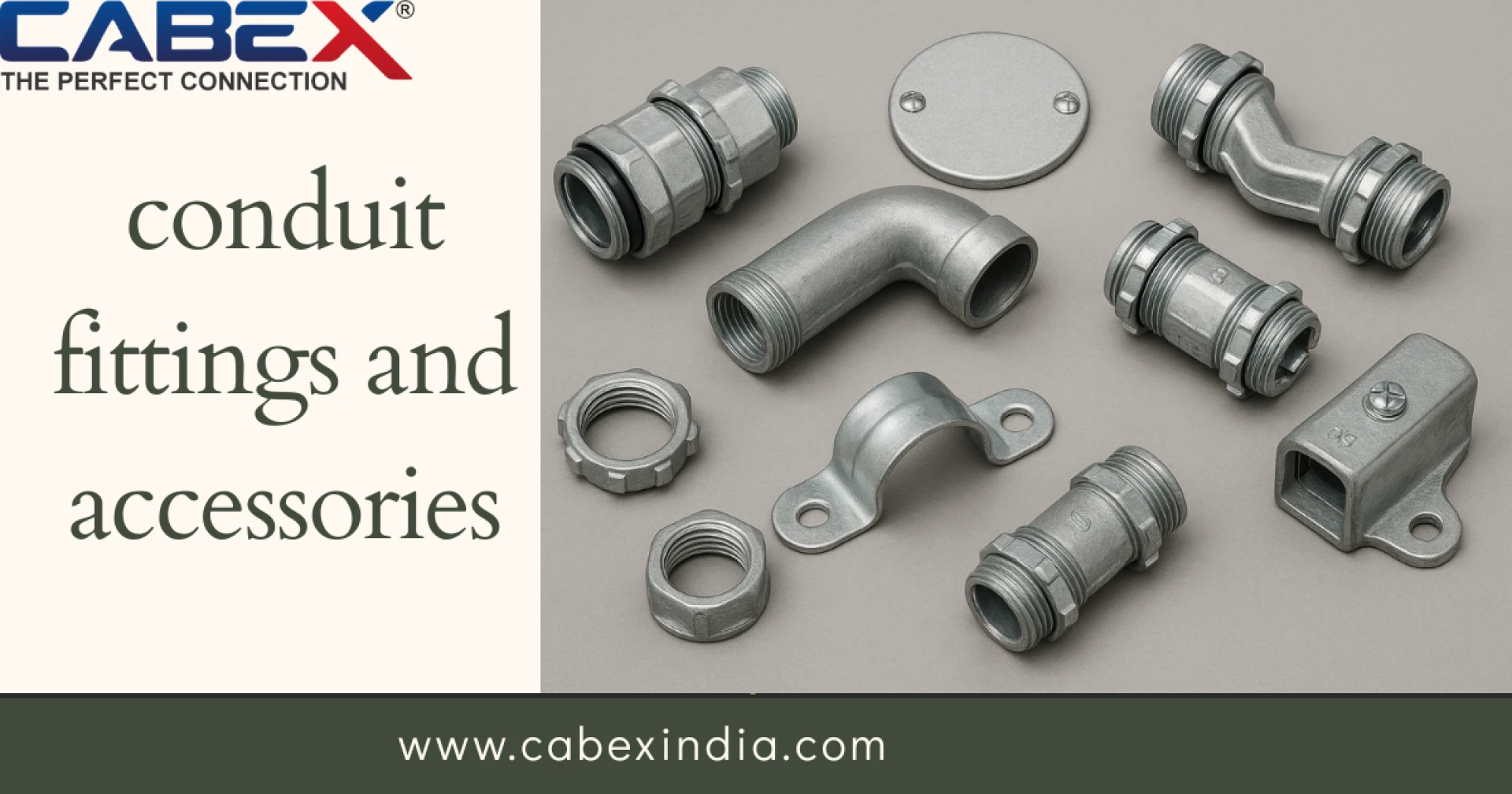 nd accessories refer to the wide range of hardware used with conduit systems (PVC, GI, EMT, or flexible conduits) to route, connect, secure, and protect electrical wires. These components ensure wiring remains safe from moisture, dust, vibration, and mechanical damage.
They are available in different materials like galvanized iron (GI), PVC, stainless steel, aluminum, and nylon, based on the application’s environmental and electrical requirements.
🛠️ Common Types of Conduit Fittings and Accessories
Couplers
Used to join two lengths of conduit together for a continuous wiring run.
Elbows and Bends
Allow conduit to change direction at 45°, 90°, or custom angles while maintaining wire protection.
Bushings and Locknuts
Prevent wire abrasion at conduit terminations and secure conduit ends to boxes or enclosures.
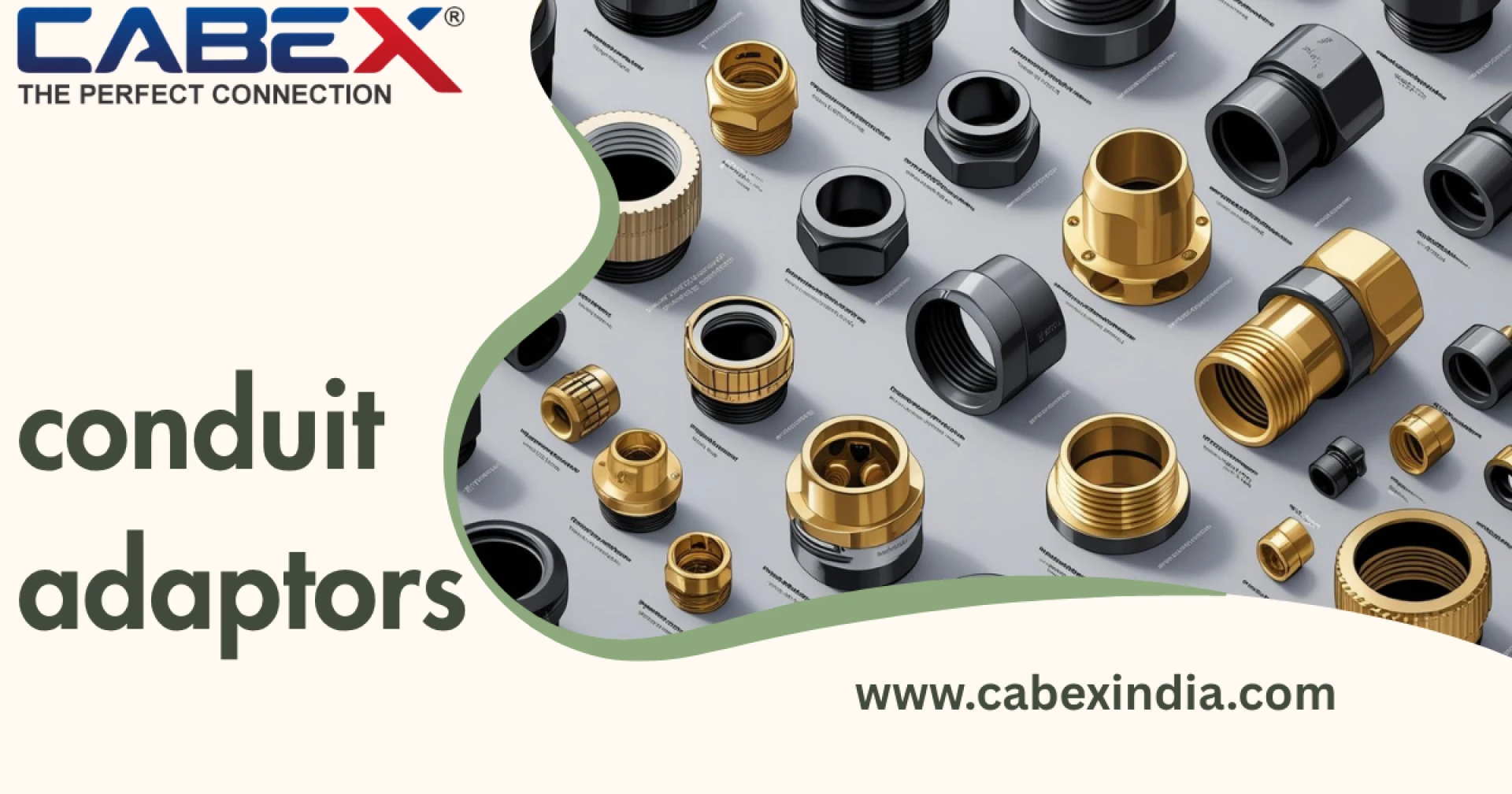
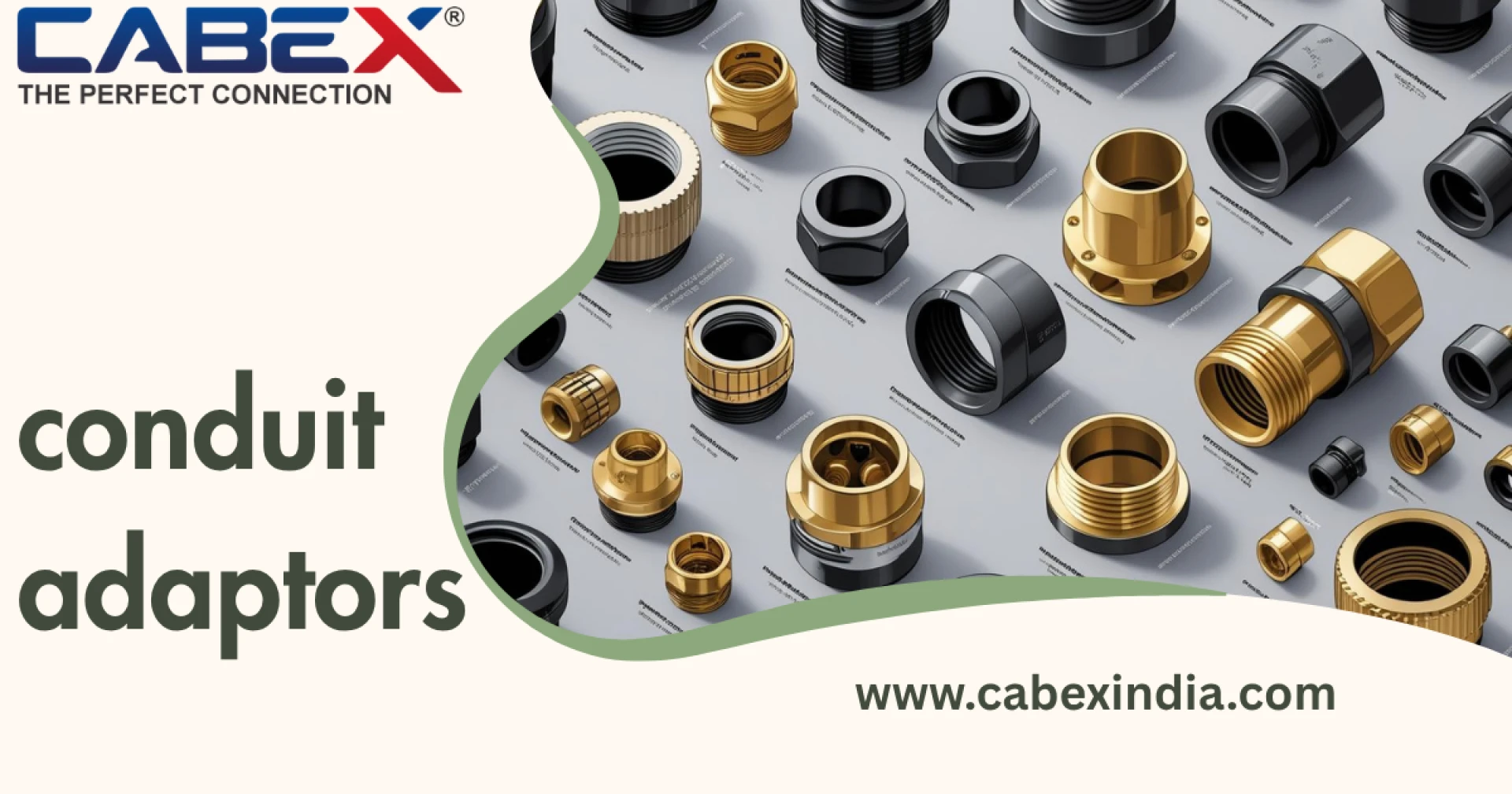
Adapters
Convert from one conduit type to another (e.g., from EMT to PVC), ensuring compatibility across systems.
Conduit Straps and Clamps
Secure conduits to walls, ceilings, or structures to prevent vibration or movement.
Expansion Fittings
Allow movement due to thermal expansion or contraction, especially in outdoor installations.
✅ Importance of Conduit Fittings and Accessories
Ensures Electrical Safety: Prevents wire exposure, short circuits, and electrocution by fully enclosing conductors.
Enhances Durability: Shields wires from external impacts, corrosion, water, and fire.
Supports Code Compliance: Meets international standards such as NEC, IEC, IS 9537, and RoHS.
Improves System Organization: Allows neat, labeled, and accessible cable routing.
🏗️ Applications Across Industries
In 2025, conduit fittings and accessories are widely used in:
Commercial and residential buildings
Industrial automation and control rooms
Oil & gas refineries and chemical plants
Solar and wind energy farms
Data centers and telecommunication towers
Underground and overhead power distribution networks
Their role in IP-rated and ATEX-compliant environments is especially crucial in protecting sensitive equipment from explosive atmospheres and water ingress.
📌 How to Choose the Right Conduit Fittings and Accessories
When selecting conduit accessories, always consider:
Conduit type and material (PVC, EMT, GI, flexible)
Conduit size and application environment
Temperature and moisture exposure
Indoor vs. outdoor use
Brand certification and product quality
Top trusted brands include Steel City, Schneider Electric, Dowells, Jigo, and Legrand, all known for producing compliant and long-lasting fittings.
🔚 Conclusion
Conduit fittings and accessories are more than just add-ons—they are the backbone of a safe and structured electrical conduit system. Whether you're wiring a high-rise, industrial site, or a smart factory in 2025, investing in the right fittings ensures your electrical infrastructure remains safe, code-compliant, and future-ready.



























Sign in to leave a comment.