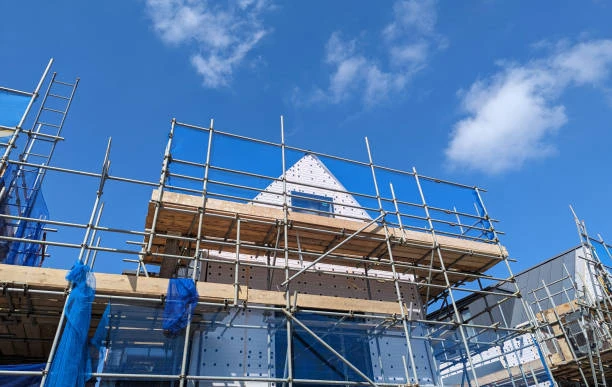
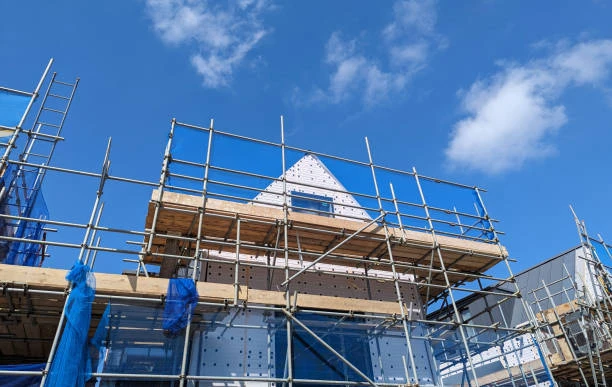
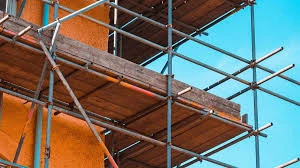
Construction scaffolding in Alberta forms the essential framework for safe elevated access across residential builds, commercial developments, and industrial maintenance projects. Providers focus on modular systems engineered for harsh winters, ensuring stability under heavy loads while complying with Occupational Health and Safety (OHS) Code requirements, such as a four-times load capacity and fall protection above three metres. As the province's construction employment surges by 11% year-over-year, demand intensifies for reliable solutions amid booming infrastructure and energy sector revivals.
Innovations driving modern systems
Advanced materials revolutionise scaffolding design, with lightweight aluminium and composites slashing assembly times by up to 30% compared to traditional steel frames. These options withstand extreme weather, reducing corrosion risks and supporting rapid deployment for high-rise and bridge work. Intelligent scaffolding is emerging as a 2025 trend, integrating IoT sensors for real-time load monitoring and structural alerts, reducing fall incidents globally by 72%, according to safety data.
Prefabricated modular platforms streamline workflows, minimise on-site waste, and enable quick adjustments for unique project geometries. Contractors benefit from reduced labour costs and faster project timelines, aligning with Alberta's 2.8% economic growth forecast through energy investments and housing starts. Such innovations position scaffolding rental services as cost-effective alternatives, projected to expand at a 5.3% CAGR across the industry.
Regulatory compliance and worker protection
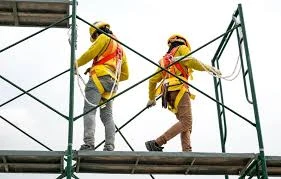
Alberta's OHS mandates rigorous inspections, competent scaffolder training, and secure tie-ins every 4.6 metres vertically to prevent lateral shifts. Platforms must span a minimum of 500 millimetres in width, with planks load-tested if damaged, ensuring no gaps exceed 250 millimetres near structures. These rules address falls, which account for 35% of construction fatalities, and offer 12-15% insurance discounts for certified setups.
Daily visual checks and protection from vehicle impacts further safeguard sites, while fall arrest systems activate above three metres. Compliance not only averts penalties but boosts productivity, as properly erected systems enhance workers' footing on uneven terrains.
Sustainability in scaffolding practices
Eco-friendly trends gain traction with recyclable aluminium systems and minimal-waste prefabrication, supporting LEED certifications and green builds. Lightweight designs cut transport emissions, while durable components extend lifecycles, aligning with Canada's scaffolding market growth beyond 0.5 billion USD by 2029. Indigenous-owned firms like Amarok Scaffolding Ltd lead by prioritising community job creation and reconciliation through safe, reliable services—learn more at https://www.amarokscaffolding.ca/.
Reusing modular parts reduces landfill contributions, complementing Alberta's infrastructure push in transportation corridors and public assets. This approach meets client demands for responsible procurement amid labour shortages.
Future outlook for project success
Alberta's construction boom, fueled by 41% increases in housing starts and petrochemical expansions, demands adaptable scaffolding for diverse scales—from urban renovations to oilfield maintenance. Integrating AI monitoring and sustainable materials prepares firms for regulatory evolution and market demands. Providers emphasising full-service design, erection, and dismantle—such as Amarok Scaffolding Ltd—deliver turnkey efficiency.
Long-tail needs like "reliable scaffolding rental for industrial sites" or "weather-resistant access platforms" underscore the versatility of the offerings. By prioritising these elements, projects achieve safer, faster completions in a competitive landscape.


























Sign in to leave a comment.