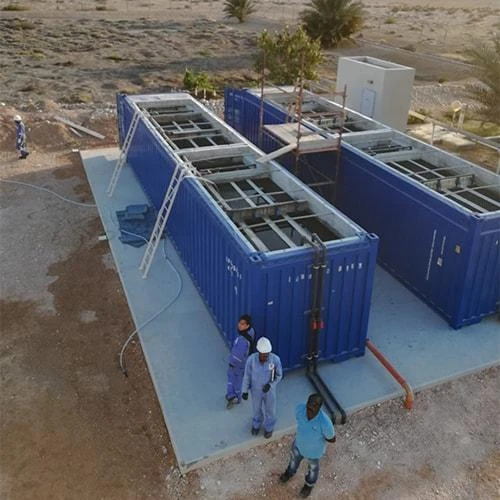

In recent years, containerized wastewater treatment has emerged as a practical, sustainable, and efficient method of treating wastewater, especially in locations where traditional infrastructure is difficult to implement. This innovative solution offers several benefits for both urban and rural settings, and it’s quickly becoming a preferred choice for industries, municipalities, and remote areas around the globe.
What is a Containerized Wastewater Treatment Plant?
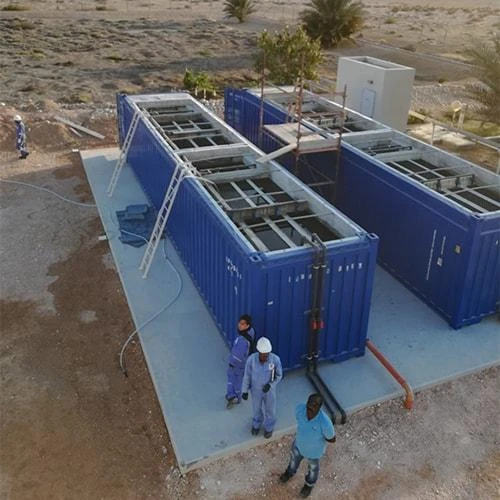
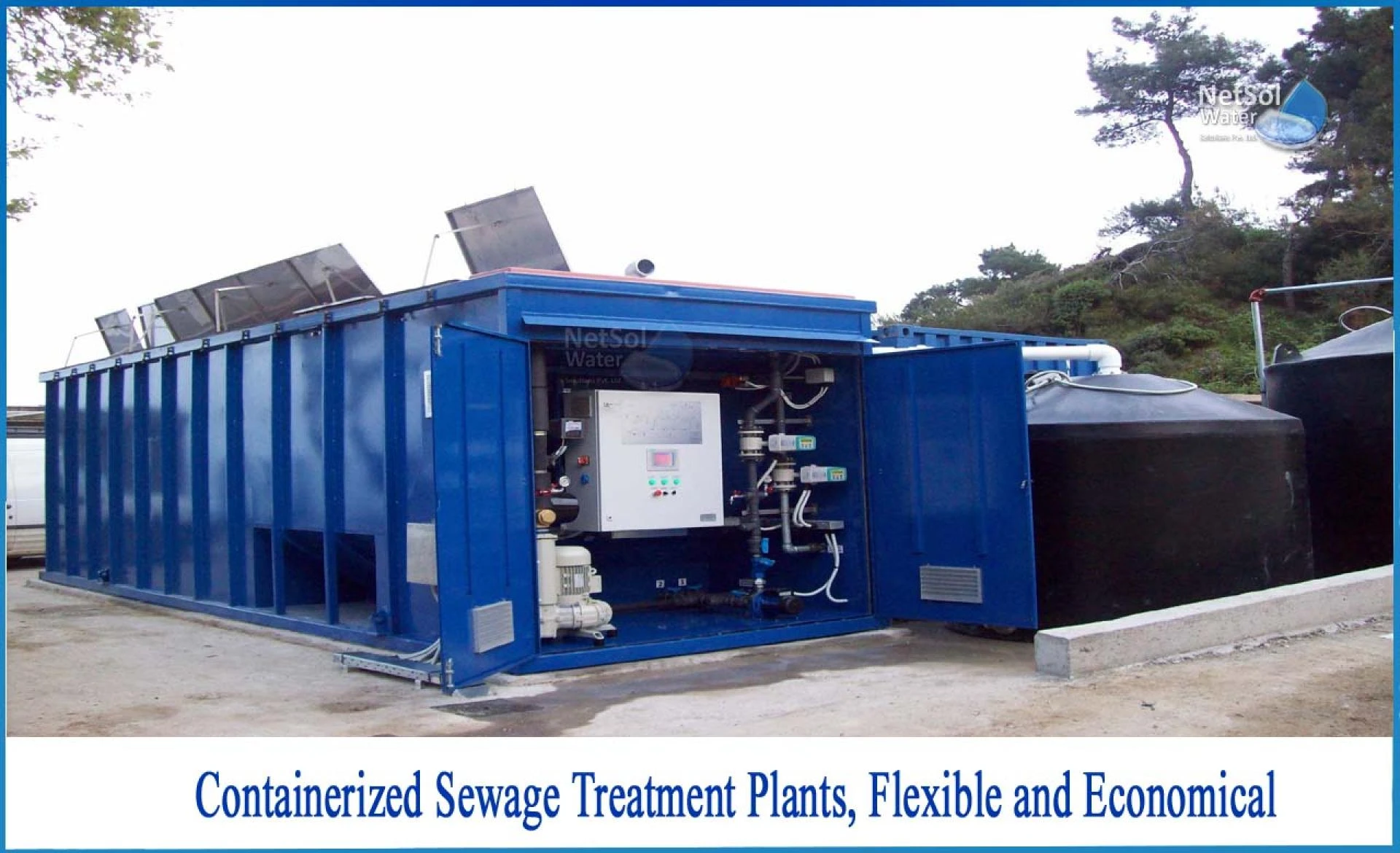
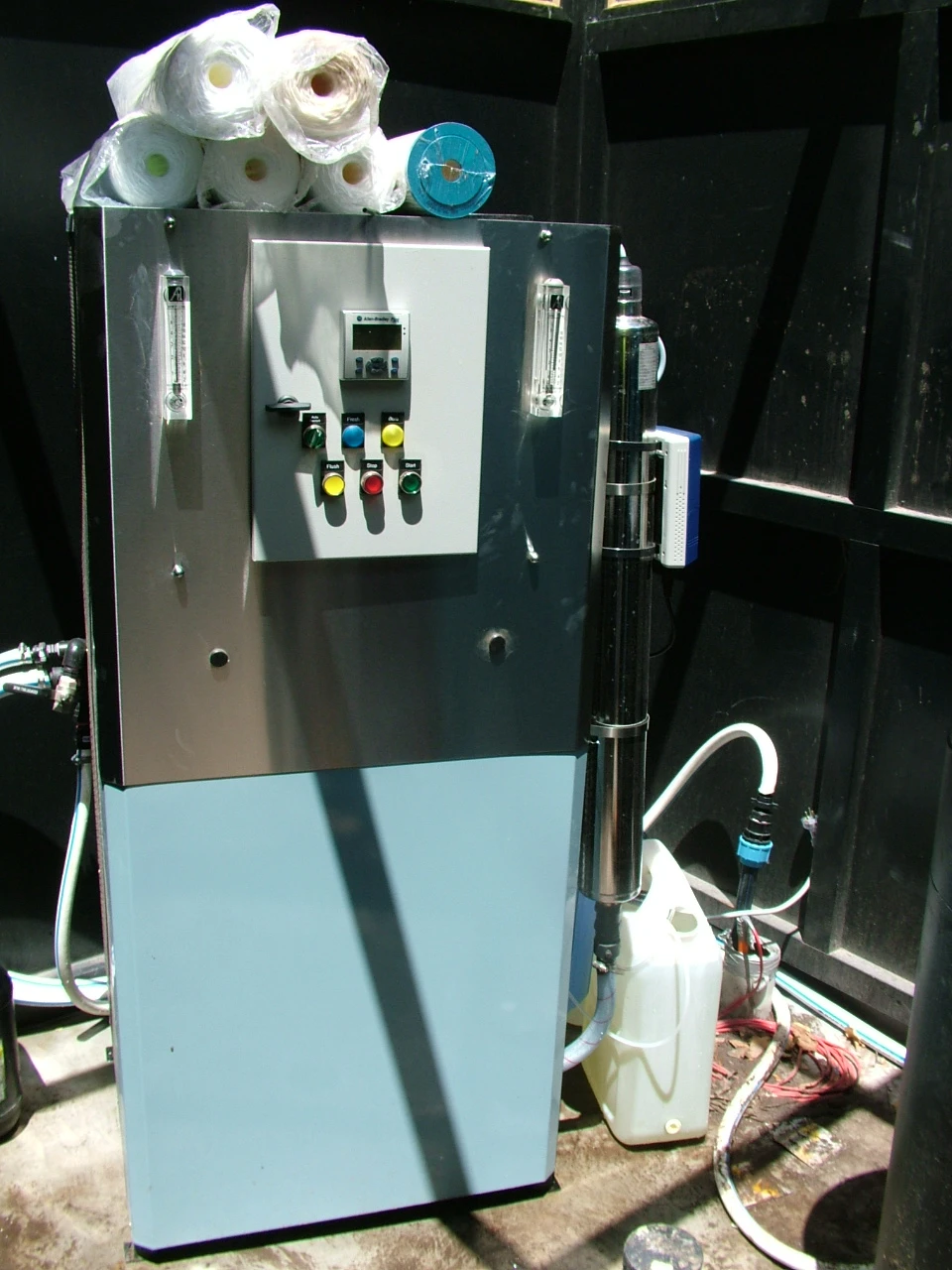
A containerized wastewater treatment plant is a compact, mobile system designed to treat wastewater efficiently and effectively in various environments. Unlike traditional wastewater treatment plants that require large, permanent installations, these systems are housed in containers, making them portable, scalable, and ideal for temporary or remote locations.
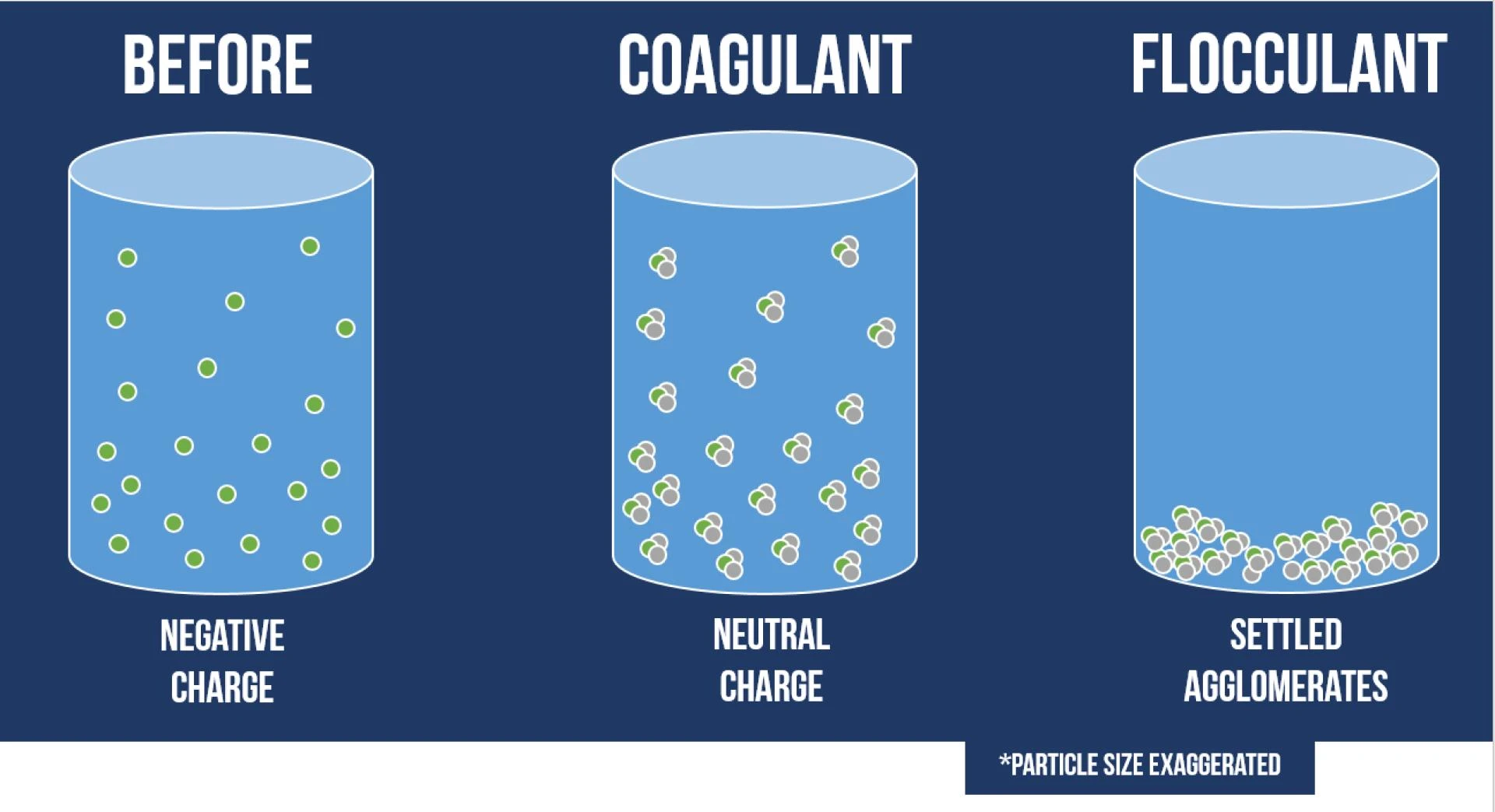
The containerized design allows for rapid deployment, minimal space requirements, and the ability to be relocated as needed, without sacrificing performance. These systems typically use a combination of physical, chemical, and biological processes to treat water, ensuring that it meets environmental standards for discharge or reuse.
Benefits of Containerized Wastewater Treatment
1. Portability and Flexibility
One of the most significant advantages of containerized wastewater treatment plants is their portability. Since these systems are housed in containers, they can be easily moved from one location to another. This is especially beneficial in areas with changing needs, such as construction sites, disaster-stricken areas, and remote regions.
2. Cost-Effective
Traditional wastewater treatment plants can be costly to build and maintain, requiring extensive infrastructure and land. A containerized wastewater treatment plant is much more affordable due to its compact design and reduced installation costs. Furthermore, these systems typically have lower operational costs, making them an attractive option for both large-scale industries and smaller communities.
3. Minimal Space Requirement
Urbanization has led to a shortage of available land for large treatment plants. The containerized solution addresses this problem by requiring far less space, which makes it ideal for urban and semi-urban environments where land is scarce. Its compact design can fit into smaller spaces while still providing effective wastewater treatment.
4. Quick Installation and Operation
Another major advantage is the rapid installation time. Traditional treatment plants can take months or even years to construct. However, containerized systems are pre-assembled and ready to deploy, which means they can begin treating wastewater almost immediately after being set up. This is a significant advantage for emergency situations or temporary deployments.
5. Sustainability
With increasing environmental awareness, sustainable practices are a priority in many industries. Containerized wastewater treatment plants use energy-efficient technologies and can be integrated with renewable energy sources, such as solar panels, further reducing their carbon footprint. Additionally, treated water can often be reused for non-potable purposes, contributing to water conservation efforts.
Applications of Containerized Wastewater Treatment Plants
1. Construction Sites
For large-scale construction projects, particularly those in remote areas, containerized wastewater treatment plants provide an essential solution. These systems help manage wastewater generated during the construction process, keeping the site clean and compliant with local regulations.
2. Remote Locations
In rural or isolated communities, providing a reliable wastewater treatment solution can be challenging. Containerized plants offer an affordable, scalable, and efficient method for treating wastewater in areas where traditional infrastructure may be lacking.
3. Disaster Relief
In the aftermath of a natural disaster, containerized wastewater treatment plants can be rapidly deployed to provide clean water and treat wastewater, preventing the spread of disease. Their flexibility and speed make them invaluable in disaster-stricken regions.
4. Industrial Use
Industries that generate significant amounts of wastewater can also benefit from these systems. Containerized plants can be customized to handle specific types of wastewater, such as that generated by the food and beverage industry, pharmaceuticals, or manufacturing, ensuring compliance with environmental standards.
Testimonials
John H., Environmental Engineer
"We've deployed several containerized wastewater treatment plants at various remote sites, and the results have been impressive. They’re easy to install, require minimal maintenance, and provide a reliable source of treated water. The flexibility of these systems has saved us both time and money."
Emma L., Municipal Planner
"Our city was struggling with wastewater management due to space constraints. The containerized wastewater treatment plant we installed has not only solved our space problem but also made our system more efficient. The cost savings have been remarkable, and we can now treat wastewater more sustainably."
FAQs About Containerized Wastewater Treatment
1. What types of wastewater can a containerized system treat?
Containerized systems can handle a wide variety of wastewater types, including domestic, industrial, and agricultural wastewater. Depending on the design, these systems can be customized to treat specific contaminants.
2. How long does it take to install a containerized wastewater treatment plant?
Typically, containerized wastewater treatment plants can be installed within a few days to a couple of weeks, depending on the complexity of the system and the site’s conditions. This is significantly faster than traditional plants, which can take months or even years to construct.
3. Can these systems be upgraded or expanded?
Yes, containerized wastewater treatment plants are scalable, meaning they can be expanded or upgraded as needed. This flexibility makes them an ideal solution for growing communities or industries with increasing wastewater treatment demands.
4. Are containerized systems energy-efficient?
Yes, most modern Wastewater Treatment System are designed to be energy-efficient, using advanced technologies that minimize power consumption. Many systems can also be integrated with renewable energy sources, such as solar power, to further reduce their environmental impact.
Conclusion
The rise of containerized wastewater treatment plants represents a significant advancement in wastewater management. Their portability, cost-effectiveness, and sustainability make them an attractive option for a wide range of applications, from industrial to emergency use. As demand for water conservation and efficient waste management continues to grow, these systems offer a practical solution to some of the most pressing environmental challenges of our time.























Sign in to leave a comment.