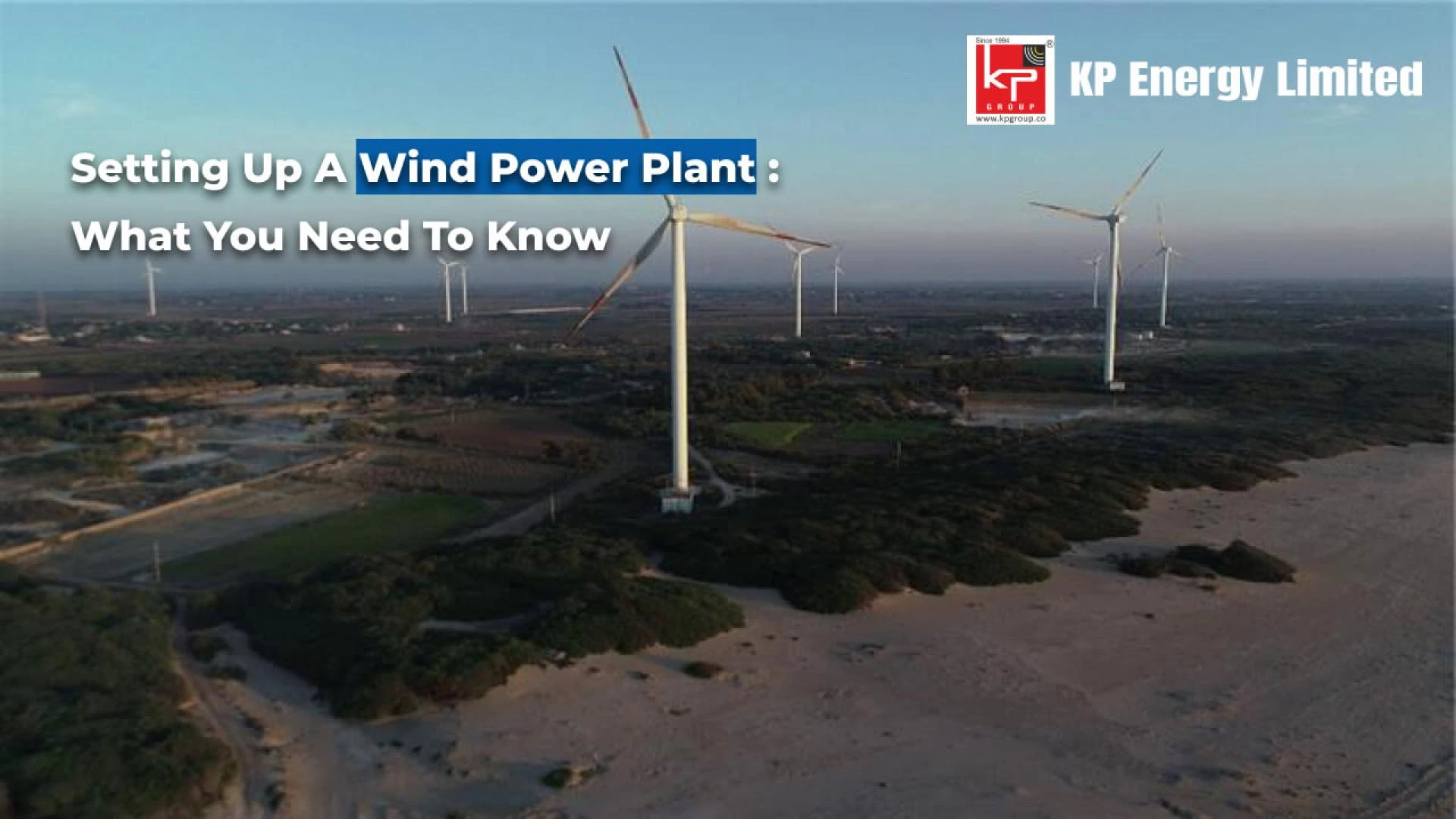

Rural India has long faced a simple problem. Power cuts are frequent, diesel generators are costly, and supply is unreliable. Many villages still struggle with regular electricity. In recent years, the growth of the windmill power plant has started to change this picture.
Most people think of wind farms in Tamil Nadu or Gujarat that feed the main grid. What often goes unnoticed is how the top wind energy companies in India are shaping rural electrification. These companies have made clean power available in districts where dependable supply was rare.
Why wind matters for rural India
Solar power is popular in villages because it is visible and easy to install. Wind plays a different role. Wind generation is often strong at night or in the monsoon season when solar is weak. A windmill power plant can help balance demand during farming and evening hours.
Wind projects are not cheap, and building turbines in rural areas is difficult. Still, villages are tied into the state grid. When companies like Suzlon or ReNew add wind capacity, some of the benefits flow to rural consumers who previously relied on diesel.
The companies changing the map
Suzlon has focused on linking wind projects with agricultural regions. In Gujarat, many windmill power plant clusters supply feeder lines that power pumps for irrigation.
ReNew Power has built large wind-solar projects. These feed state grids and improve reliability for rural households.
Tata Power Renewable Energy has tried microgrids in certain areas. These projects support small industries such as rice mills, textile workshops, and cold storage units that once depended on diesel.
The less obvious benefits
The impact of wind companies is not limited to electricity supply. They create jobs in construction, assembly, and maintenance. Moving and installing turbines brings income to local workers.
Districts that host projects also earn tax revenue. This supports local infrastructure like roads, schools, and clinics.
Land use is often raised as a concern. Unlike solar farms, turbines usually leave space for farming underneath. Farmers can grow crops and earn steady lease payments from hosting turbines.
Where the gaps remain
Rural electrification is still uneven. State grids lose large amounts of power in transmission. Voltage fluctuations are common in many villages even when power reaches them. The top wind energy companies in India add clean capacity, but delivery depends on state utilities.
Some villages benefit quickly from projects near substations. Others wait years for proper connections. Land acquisition is another issue. Turbines sometimes arrive without proper consultation with villagers. This creates distrust when locals see little direct benefit.
A personal view
Wind is often overlooked compared to solar or hydropower. Yet its contribution is clear. Night-time generation supports irrigation and household needs. Jobs, lease income, and tax revenue are additional gains.
Not all projects succeed. Some turbines sit idle or underperform. Policy delays and land disputes are real problems. Even so, wind power has improved rural supply in many regions. Villages in Kutch or Tamil Nadu have seen more reliable electricity in the last two decades because of wind projects.
Looking ahead
The future role of the top wind energy companies in India depends on new policy and technology. Hybrid projects, storage, and microgrids will shape how wind supports rural supply. Wind alone is not the solution, but rural electrification is incomplete without it.
When turbines rise over farmland, they mean more than megawatts. They mean working pumps, lit classrooms, and fewer nights without power. That is the real contribution to rural India.

























Sign in to leave a comment.