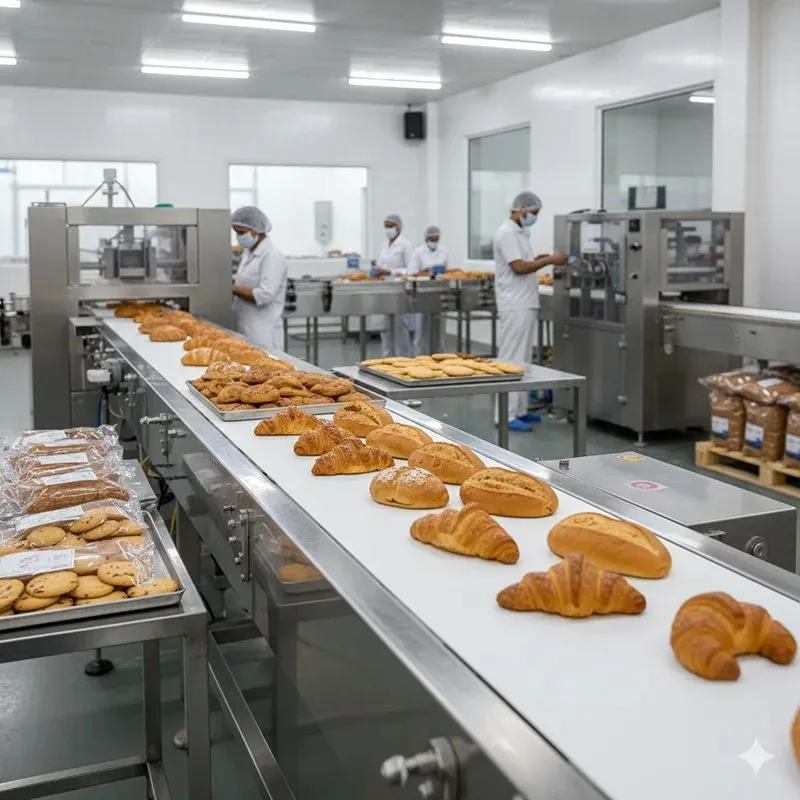

In today's fast-paced industrial environment, conveyor systems have become an essential part of manufacturing, warehousing, logistics, packaging, and material handling operations. They help businesses move products quickly, improve workflow, and increase overall productivity. However, while these systems offer significant operational benefits, they also require proper safety practices to ensure smooth and accident-free operations.
A conveyor system is designed to make work easier, not riskier. Without proper training, routine maintenance, and established safety procedures, even a well-designed system can become a source of workplace accidents. From loose clothing getting caught in moving parts to improper maintenance and overloaded conveyors, small mistakes can lead to serious injuries, production delays, and costly repairs.
Creating a safe working environment is not only about meeting industry standards but also about protecting employees, minimizing downtime, and extending the life of your equipment. Businesses that prioritize conveyor safety often experience fewer operational disruptions, better employee confidence, and improved productivity.
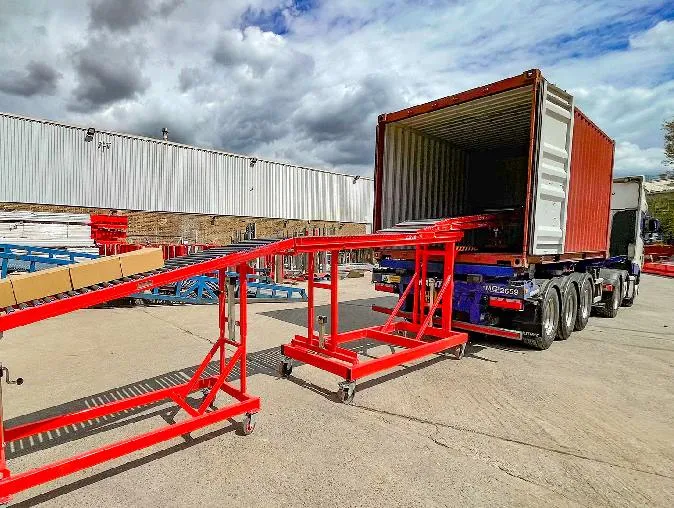
Whether your facility uses belt conveyors, truck loading conveyors, inclined belt conveyor systems, or modular conveyors, following the right safety guidelines can make a significant difference in day-to-day operations.
In this blog, we'll explore the essential conveyor safety practices that every factory should implement to create a safer, more efficient workplace.
Why Conveyor Safety Matters
Every year, industrial facilities lose valuable production time due to preventable workplace accidents. Many of these incidents occur because of improper equipment handling, lack of employee training, or failure to inspect conveyor systems regularly.
A safe conveyor system doesn't just protect employees. It also protects your investment. Proper safety practices reduce equipment wear, minimize breakdowns, improve production efficiency, and help businesses avoid unnecessary repair costs.
For organizations investing in modern industrial conveyor systems, safety should always be considered part of the system design rather than an afterthought.
1. Train Every Employee Before Operating the Conveyor System
The first and most important safety guideline is proper employee training.
Every worker who operates or works near a conveyor should understand how the system functions, where potential hazards exist, and what to do in case of an emergency. Employees should never assume they know how a conveyor works simply because they have experience with another machine.
Training should include:
- Safe operating procedures
- Emergency stop locations
- Start-up and shutdown process
- Lockout/Tagout (LOTO) procedures
- Basic troubleshooting
- Reporting unusual noises or equipment issues
Well-trained employees are more confident, make fewer mistakes, and help create a stronger safety culture throughout the workplace.
2. Perform Routine Conveyor Inspections
Many conveyor failures begin as small problems that go unnoticed. A loose bolt, worn roller, damaged belt, or misaligned pulley can quickly become a major safety hazard if ignored.
Routine inspections help identify these issues before they affect production or employee safety.
Daily inspection points should include:
- Belt alignment
- Roller condition
- Motor performance
- Guard placement
- Emergency stop switches
- Drive components
- Electrical connections
Scheduled preventive inspections not only improve safety but also reduce unexpected downtime and extend equipment lifespan.
3. Never Remove Safety Guards
Safety guards are installed for one simple reason: to prevent accidental contact with moving components.
Unfortunately, one of the most common mistakes in factories is removing guards during maintenance and forgetting to reinstall them afterward. Exposed belts, gears, chains, and rotating shafts can pose serious risks to operators.
Never operate a conveyor system if protective guards are missing or damaged.
If maintenance work is required, the conveyor should remain completely shut down until all guards have been properly reinstalled and inspected.
A few extra minutes spent replacing safety guards can prevent serious workplace accidents.
4. Keep Emergency Stop Buttons Easily Accessible
Every conveyor system should include clearly visible and easily accessible emergency stop controls.
In the event of a product jam, mechanical failure, or employee emergency, operators must be able to stop the conveyor immediately without hesitation.
Emergency stop buttons should:
- Be clearly marked
- Remain unobstructed
- Be tested regularly
- Be positioned throughout long conveyor lines
Employees should know exactly where every emergency stop button is located before operating the equipment.
Regular emergency drills also help workers respond quickly during unexpected situations.
5. Avoid Loose Clothing and Unsafe Accessories
Moving conveyor components can easily catch loose clothing, scarves, ties, gloves, jewelry, or long hair.
Employees working near conveyor systems should always wear appropriate personal protective equipment (PPE) and follow workplace dress code policies.
Good safety practices include:
- Tying back long hair
- Removing loose jewelry
- Avoiding loose sleeves
- Wearing properly fitted safety clothing
- Using appropriate safety shoes
These simple precautions significantly reduce the risk of entanglement injuries.
6. Follow Proper Lockout/Tagout (LOTO) Procedures During Maintenance
Maintenance is essential for keeping a conveyor system running efficiently, but it can also be one of the most dangerous tasks if proper safety procedures are ignored.
Before performing any inspection, repair, cleaning, or maintenance work, the conveyor system should always be completely powered down using Lockout/Tagout (LOTO) procedures. This ensures that the machine cannot be accidentally restarted while someone is working on it.
A proper LOTO process includes disconnecting the power source, locking the control panel, placing a warning tag, and verifying that the system is fully isolated before maintenance begins.
Following this simple procedure protects maintenance personnel from unexpected equipment movement and significantly reduces the risk of serious workplace injuries.
Best Practices
- Disconnect all power sources before maintenance.
- Use approved lockout devices.
- Display warning tags clearly.
- Verify zero energy before starting work.
- Allow only authorized personnel to remove locks.
7. Never Overload the Conveyor System
Every conveyor is designed to carry a specific load capacity. Exceeding this limit places unnecessary stress on belts, rollers, motors, bearings, and structural components, increasing the chances of equipment failure and workplace accidents.
Overloaded conveyors often experience excessive wear, belt slipping, motor overheating, and unexpected breakdowns. These issues not only increase maintenance costs but also interrupt production schedules.
Operators should always follow the manufacturer's recommended load limits and distribute materials evenly across the conveyor.
A properly loaded conveyor runs more efficiently, lasts longer, and creates a safer working environment.
Benefits of Correct Loading
- Longer equipment life
- Better belt performance
- Reduced maintenance costs
- Improved production efficiency
- Lower risk of unexpected failures
8. Keep the Conveyor Area Clean and Organized
A clean workplace is one of the simplest yet most effective ways to improve conveyor safety.
Dust accumulation, oil spills, loose packaging materials, tools, and product debris around conveyor systems can create slipping hazards and interfere with normal equipment operation.
Good housekeeping practices help employees move safely around conveyor lines while reducing the likelihood of mechanical issues caused by foreign objects entering the system.
Factories should establish regular cleaning schedules and ensure walkways remain clear at all times.
Simple daily cleaning routines can prevent costly accidents and improve the overall working environment.
Good Housekeeping Tips
- Remove debris regularly.
- Clean oil and grease spills immediately.
- Keep emergency exits clear.
- Store tools in designated locations.
- Maintain clean walkways around conveyors.
9. Use Clear Warning Signs and Safety Labels
Even experienced employees benefit from visual safety reminders.
Clearly visible warning signs help workers identify potential hazards and encourage them to follow safe operating procedures. Labels indicating pinch points, rotating parts, emergency stop buttons, electrical hazards, and restricted areas should always remain visible and easy to understand.
Regularly inspect safety labels and replace any that have faded or become damaged over time.
Simple visual communication can significantly reduce human error in busy industrial environments.
10. Build a Strong Safety Culture
Technology alone cannot create a safe workplace. A strong safety culture depends on the people who operate, maintain, and supervise conveyor systems every day.
Encourage employees to report unusual noises, damaged components, unsafe behavior, or potential hazards without hesitation. Conduct regular safety meetings, refresher training sessions, and equipment demonstrations to keep everyone informed about best practices.
When safety becomes part of everyday operations rather than an occasional checklist, businesses experience fewer accidents, higher employee confidence, and improved productivity.
Creating a culture where every team member feels responsible for workplace safety is one of the most valuable investments any organization can make.
Common Conveyor Safety Mistakes Factories Should Avoid
Many workplace accidents occur because of simple mistakes that are entirely preventable. Recognizing these common issues can help businesses create a safer and more reliable working environment.
Some of the most frequent mistakes include:
- Ignoring routine maintenance schedules.
- Operating damaged conveyor equipment.
- Removing or bypassing safety guards.
- Allowing untrained employees to operate machinery.
- Overloading the conveyor beyond its rated capacity.
- Blocking emergency stop buttons.
- Wearing loose clothing or jewelry near moving equipment.
- Delaying repairs after identifying equipment issues.
- Failing to inspect belts, rollers, and motors regularly.
Addressing these issues early helps prevent downtime, improves equipment reliability, and protects employees from avoidable hazards.
Why Choosing the Right Conveyor Manufacturer Matters
A safe conveyor system starts with quality engineering and professional installation. Working with an experienced conveyor system manufacturer ensures that your equipment is designed to meet operational requirements while complying with industrial safety standards.
At Dynamic Industrials, we believe every conveyor solution should combine productivity, durability, and workplace safety. As trusted industrial conveyor manufacturers in India, we design customized material handling solutions for a wide range of industries, including manufacturing, logistics, warehousing, automotive, pharmaceuticals, food processing, and packaging.
Our product portfolio includes:
- Belt Conveyor Systems
- Truck Loading Conveyors
- Inclined Belt Conveyor Systems
- Variable Speed Belt Conveyors
- Modular Conveyor Systems
- Continuous Vertical Conveyors
- Special Purpose Conveyors
- Sorting Conveyor Systems
- Dynamic Buffer Spiral Conveyor solutions
Every system is designed to improve material handling efficiency while supporting safer day-to-day operations. Whether you're expanding an existing production line or planning a new facility, our team works closely with you to deliver reliable and future-ready conveyor solutions.
Frequently Asked Questions
1. Why is conveyor safety important in factories?
Conveyor safety helps prevent workplace accidents, protects employees, reduces equipment damage, and ensures smooth production without unnecessary downtime.
2. How often should conveyor systems be inspected?
A basic visual inspection should be carried out daily, while detailed preventive maintenance should be scheduled according to the manufacturer's recommendations and operating conditions.
3. What is the purpose of Lockout/Tagout (LOTO)?
Lockout/Tagout procedures prevent accidental machine startup during maintenance, protecting technicians and operators from serious injuries.
4. Which industries benefit most from safe conveyor systems?
Manufacturing, warehousing, logistics, food processing, pharmaceuticals, automotive, packaging, and e-commerce facilities all rely on safe conveyor operations to maintain productivity and protect employees.
5. How can businesses improve conveyor safety?
Businesses can improve safety by providing employee training, performing regular inspections, following preventive maintenance schedules, installing emergency stop systems, and partnering with experienced conveyor system manufacturers.
Conclusion
Conveyor systems have transformed the way industries move materials, improve productivity, and streamline operations. However, achieving these benefits depends on more than just installing the right equipment. A safe and well-maintained conveyor system is the foundation of efficient and reliable material handling.
By following essential safety practices such as employee training, routine inspections, proper maintenance, load management, housekeeping, and emergency preparedness, businesses can significantly reduce workplace risks while improving operational performance.
Investing in high-quality conveyor solutions from a trusted conveyor system manufacturer further strengthens workplace safety and ensures long-term reliability. Whether you're operating a manufacturing facility, warehouse, or distribution center, prioritizing conveyor safety helps protect your workforce, reduce downtime, and maximize the value of your investment.
Create a Safer and Smarter Material Handling Environment
At Dynamic Industrials, we design and manufacture advanced conveyor solutions that combine performance, reliability, and safety. From Truck Loading Conveyors and Variable Speed Belt Conveyors to Special Purpose Conveyors, Continuous Vertical Conveyors, and customized material handling systems, our solutions are built to support the evolving needs of modern industries.
If you're looking for a trusted conveyor manufacturer in Delhi or an experienced conveyor system manufacturer in India, our team is ready to help you choose the right solution for your application.
Contact Dynamic Industrials today to discover how our safe, efficient, and customized conveyor systems can improve your factory operations and support long-term business growth.























Sign in to leave a comment.