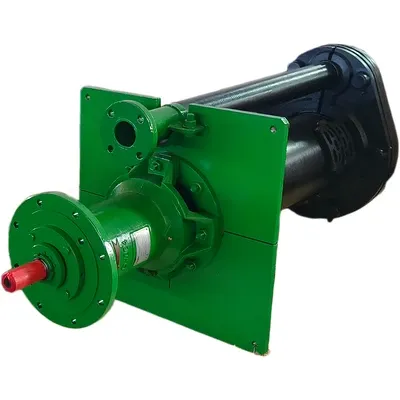

Tailings sumps are the neglected corners of mining and mineral processing plants. They collect everything that settles out of the main process stream—fine sand, clay, heavy minerals, and often chemically treated water. Pumping this material is essential, but it’s also expensive. The abrasion eats pumps. The downtime costs production. The spills create environmental liabilities. Many plant managers treat tailings sump pumping as a necessary evil, accepting frequent failures as inevitable. CNSME vertical slurry pumps challenge that assumption. When you look at the full cost picture—not just the purchase price but the operating, maintenance, and downtime expenses—these pumps consistently deliver savings that justify their place in any tailings circuit. Let me break down where those savings come from.
Extended Wear Life Reduces Part Replacement Frequency
The most obvious cost benefit of a CNSME vertical pump in tailings service is how long the wear parts last. Tailings slurries are abrasive by definition. They contain the leftover hard particles that the main process couldn’t extract. In many concentrators, tailings include quartz, pyrite, or other hard minerals that act like cutting tools on pump internals. A standard pump might need a new impeller every three months and a new liner every six. A CNSME pump with high-chrome white iron wet ends often runs twelve to eighteen months between wear part changes. That difference in replacement frequency translates directly into parts cost savings. If an impeller costs 800andalinercosts800andalinercosts1,200, switching from quarterly to annual replacements saves $4,800 per year in parts alone for a single pump. Multiply that by a dozen sumps in a large operation, and you’re talking about real money.
Lower Labor Costs for Maintenance and Change-Outs
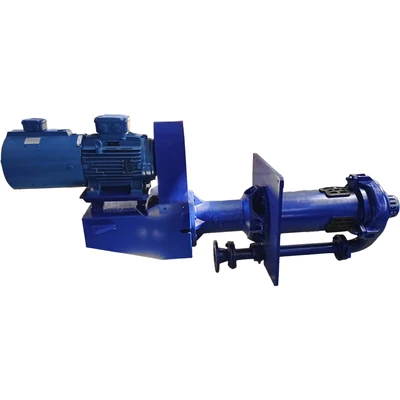
Parts cost is only half the equation. The labor to change those parts matters just as much, sometimes more. Pulling a pump from a tailings sump is not a quick job. You need to isolate the sump, drain it if possible, rig a hoist, disconnect piping, and lift the pump out. Then you disassemble the wet end, clean everything, install new parts, and reassemble. A full wet-end change on a horizontal pump can take two mechanics a full shift—sixteen labor hours. On a CNSME vertical pump, the same job takes about half that time. The vertical lift-out design means you don’t fight with suction piping. The modular liner system means you don’t replace the whole casing. The external clearance adjustment means you don’t have to guess at reassembly.
Reduced Production Downtime from Pump Failures
Tailings sumps have a nasty habit of overflowing when pumps fail. An overflow might seem like just a mess, but it’s actually a production-stopping event. Many environmental permits prohibit any discharge from tailings areas. An overflow triggers a shutdown of the upstream process until the sump is pumped down and the spill is cleaned up. A single overflow can cost hours of lost production. In a large mine, that might be $50,000 or more per hour in lost output. CNSME pumps fail less often, plain and simple. The cantilever design eliminates the submerged bearing failure that plagues other vertical pumps. The heavy-duty shaft resists bending and breaking. The air-purge seal keeps slurry out of the bearing housing. When a CNSME pump does need service, it’s usually scheduled rather than emergency. The cost of unplanned downtime is huge, often dwarfing parts and labor. A pump that runs reliably for eighteen months instead of failing every six prevents multiple overflow events and the production losses they bring.
Lower Spare Parts Inventory Carrying Costs
Operating a tailings sump with unreliable pumps forces you to carry an expensive spare parts inventory. You need impellers, liners, shafts, seals, and bearings on the shelf at all times, because a few days’ delay for shipping means a sump overflow. That inventory ties up capital. It also takes up warehouse space and requires staff time to manage. When you upgrade to CNSME pumps, several things happen. First, you need fewer parts because the pumps wear more slowly. Second, you can standardize on a single parts family across multiple sumps, reducing the variety of parts you stock. Third, the longer intervals between failures mean you can adopt a just-in-time ordering approach for some components. Plants that have made the switch report reducing their tailings sump spare parts inventory by thirty to fifty percent. That freed-up capital can be used elsewhere, and the reduced carrying cost shows up directly on the balance sheet.
Environmental Compliance Cost Avoidance
Here’s a cost benefit that doesn’t show up on a parts invoice but matters enormously. Tailings sump overflows can trigger regulatory fines, mandated cleanup actions, and even permit suspensions. In some jurisdictions, a single significant spill can result in six-figure penalties. Beyond fines, there are the costs of spill response—absorbent materials, vacuum trucks, contaminated soil disposal, and extra labor. And then there’s the reputational damage with regulators and the local community. A more reliable pump reduces the risk of all these costs. It’s impossible to put an exact dollar figure on risk reduction, but any plant manager who has faced a tailings spill knows it’s substantial. CNSME pumps, with their robust design and failure-resistant features, represent a form of insurance. You pay a bit more upfront to avoid a potentially catastrophic expense later. For many operations, that risk reduction alone justifies the upgrade.
Extended Pump Life and Deferred Capital Replacement
Finally, consider the capital cost of the vertical slurry pump itself. A tailings sump pump is not a lifetime purchase. Even the best pumps eventually wear out beyond repair. The housing corrodes, the shaft fatigues, the bearing housing cracks. But a pump that lasts eight years instead of four effectively costs half as much per year of service. CNSME vertical pumps are built with thicker castings, larger shafts, and more robust bearing housings than economy models. They are designed to be rebuilt multiple times, with replaceable liners and sleeves that protect the main structure. When you factor the purchase price over the expected service life, the CNSME pump often comes out cheaper on an annualized basis than a lower-priced competitor that needs replacement twice as often. That’s the final piece of the cost puzzle. A pump that costs more today but lasts twice as long is not more expensive. It’s a better investment. And in the hard world of tailings handling, better investments keep plants profitable through the inevitable ups and downs of commodity prices.






















Sign in to leave a comment.