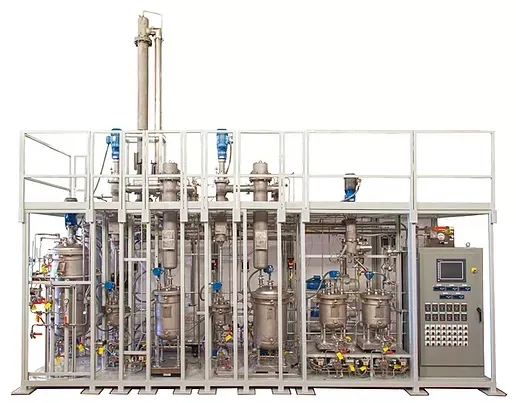

Businesses involved in purification and separation processes often evaluate different production strategies to improve efficiency while controlling long term operating expenses. Selecting the right approach requires careful analysis of investment requirements, production goals, and operational flexibility. Choosing toll distillation services instead of purchasing specialized equipment can provide financial advantages for many organizations, while equipment ownership may offer greater control depending on production volume and long term manufacturing objectives.
Understanding the Two Processing Options
What Are Toll Distillation Services
Toll distillation services allow businesses to outsource purification processes to specialized facilities equipped with advanced distillation technology and experienced technical professionals. Instead of investing in expensive processing equipment, companies send raw materials to an external provider for purification according to specific production requirements. This arrangement enables organizations to access advanced processing capabilities while avoiding the financial responsibilities associated with purchasing, operating, and maintaining complex industrial equipment.
What Equipment Ownership Involves
Equipment ownership requires businesses to purchase, install, operate, and maintain dedicated distillation systems within their own production facilities. This option provides complete operational control while allowing manufacturers to schedule production according to internal priorities. However, ownership also includes responsibility for facility preparation, operator training, maintenance planning, equipment upgrades, and regulatory compliance. Organizations considering ownership must carefully evaluate these long term responsibilities before making significant capital investments.
Initial Investment Costs
Lower Upfront Expenses with Outsourcing
One of the most significant advantages of outsourced processing is the ability to avoid large capital expenditures associated with purchasing specialized equipment. Businesses utilizing toll distillation services typically pay only for the processing they require rather than making substantial investments in machinery, facility modifications, and supporting infrastructure. Lower initial expenses preserve financial resources that can be directed toward research, product development, marketing, or business expansion activities.
Capital Requirements for Equipment Ownership
Purchasing industrial distillation equipment often represents a substantial financial commitment that extends well beyond the cost of the machinery itself. Additional expenses include installation, utility connections, facility preparation, safety systems, operator training, and commissioning activities. Organizations must also consider financing costs when evaluating ownership. These combined investments may require considerable capital before production can even begin, making ownership less practical for businesses with limited budgets.
Operating Costs Over Time
Predictable Processing Expenses
Outsourced processing generally offers more predictable operating expenses because businesses pay according to production volume or service agreements. This approach simplifies budgeting by reducing unexpected maintenance costs and equipment related financial surprises. Organizations can adjust production levels based on market demand without carrying the ongoing operational expenses associated with idle manufacturing equipment. Predictable costs contribute to stronger financial planning and improved business flexibility.
Ongoing Ownership Expenses
Owning industrial equipment creates continuing financial obligations throughout the equipment lifespan. Electricity, maintenance, replacement components, calibration, operator salaries, inspections, insurance, and facility overhead all contribute to total operating costs. Even during periods of reduced production, equipment ownership continues generating expenses that businesses must absorb. Careful financial analysis is necessary to determine whether these recurring costs remain justified by production requirements.
Maintenance and Equipment Reliability
Reduced Maintenance Responsibilities
Organizations using outsourced processing avoid many maintenance responsibilities because service providers manage equipment servicing, inspections, repairs, and performance optimization. Businesses can concentrate on product development and customer relationships instead of allocating resources to equipment maintenance. This arrangement minimizes operational complexity while reducing unexpected repair expenses that may otherwise affect manufacturing schedules and profitability.
Ownership Requires Ongoing Maintenance
Industrial distillation systems require regular preventive maintenance to maintain efficiency, product quality, and equipment reliability. Maintenance programs include component replacement, cleaning procedures, calibration activities, and performance inspections. Businesses owning equipment must either employ qualified maintenance personnel or contract specialized service providers. These responsibilities increase operational costs while requiring careful planning to minimize production downtime during scheduled maintenance activities.
Production Flexibility
Outsourcing Supports Variable Demand
Businesses experiencing fluctuating production volumes often benefit from the flexibility provided through outsourced processing arrangements. Production capacity can increase or decrease according to customer demand without requiring additional equipment investments or underutilized manufacturing assets. This flexibility allows organizations to respond efficiently to changing market conditions while avoiding unnecessary capital expenditures during periods of uncertain growth.
Ownership Benefits Consistent Production
Companies operating at consistently high production volumes may find equipment ownership more practical because internal manufacturing provides immediate access to processing capacity whenever needed. Continuous production schedules often improve equipment utilization while reducing the processing cost per production batch over time. High volume manufacturers may recover equipment investments through long term operational efficiency if production remains stable.
Access to Technical Expertise
Specialized Knowledge Through Outsourcing
Professional processing providers typically employ experienced engineers, technicians, and process specialists with extensive knowledge of advanced distillation operations. Businesses gain access to valuable technical expertise without recruiting additional personnel or investing in specialized employee training. Experienced professionals help optimize purification processes while supporting consistent product quality across multiple production cycles. This expertise becomes particularly valuable for organizations handling complex or specialized materials.
Internal Expertise Development
Equipment ownership requires businesses to develop technical knowledge within their own organizations. Employees must receive training in equipment operation, maintenance procedures, quality control, and process optimization. Building this expertise requires time, financial investment, and ongoing professional development. While internal knowledge strengthens operational independence, developing and maintaining technical capability increases long term organizational responsibilities.
Quality Control Considerations
Reliable Standards Through Experienced Providers
Professional processing facilities typically establish comprehensive quality management systems designed to maintain consistent purification results across every production batch. Advanced monitoring equipment, standardized procedures, and experienced personnel contribute to dependable product quality. Businesses benefit from established operational practices that support reliable manufacturing outcomes while reducing the likelihood of production inconsistencies or quality related challenges.
Direct Oversight with Equipment Ownership
Owning processing equipment provides organizations with complete control over manufacturing operations and quality management procedures. Internal production allows immediate process adjustments, direct supervision, and customized operating strategies tailored to specific product requirements. Businesses maintaining strong technical expertise may prefer this level of operational control because it supports unique manufacturing objectives and specialized production processes.
Scalability and Business Growth
Easier Expansion Through Outsourced Processing
Businesses planning gradual expansion often appreciate the scalability offered by outsourced processing because production capacity can increase without purchasing additional equipment. Organizations avoid repeated capital investments while maintaining flexibility during growth phases. This approach supports efficient market expansion because processing resources remain available without requiring continuous facility modifications or major equipment acquisitions.
Equipment Expansion Requires Additional Investment
As manufacturing demand grows, equipment owners may eventually require larger systems or additional processing capacity. Facility expansion, utility upgrades, and equipment purchases represent significant financial commitments that require careful planning. Businesses should evaluate future production forecasts before selecting ownership to ensure equipment capacity aligns with expected long term operational requirements.
Financial Risk Comparison
Lower Financial Exposure
Outsourcing reduces financial risk because businesses avoid depreciation, equipment obsolescence, and unexpected repair expenses associated with ownership. Organizations maintain greater financial flexibility while limiting long term capital commitments. This reduced exposure benefits companies operating in rapidly changing industries where production requirements may evolve before expensive equipment investments generate full financial returns.
Ownership Requires Long Term Commitment
Equipment ownership represents a significant long term investment that depends on consistent production volumes to achieve favorable financial outcomes. Market changes, evolving technologies, and shifting customer demand may influence equipment utilization over time. Businesses considering ownership should carefully analyze projected production requirements and expected equipment lifespan before committing substantial financial resources.
Choosing the Most Cost Effective Solution
Factors That Influence the Best Choice
The most suitable processing approach depends on production volume, available capital, technical expertise, long term business strategy, and operational priorities. Organizations with limited production or rapidly changing demand often benefit from outsourced processing, while companies with stable high volume manufacturing may achieve stronger returns through equipment ownership. Careful evaluation of operational goals helps businesses identify the most cost effective long term solution.
Evaluating Total Business Value
Financial decisions should extend beyond immediate expenses by considering productivity, flexibility, quality assurance, maintenance responsibilities, and future expansion opportunities. A comprehensive evaluation provides a more accurate understanding of total business value than comparing equipment prices alone. Organizations that carefully assess every operational factor position themselves for stronger financial performance and sustainable long term growth.
Conclusion
Choosing between outsourced processing and equipment ownership requires thoughtful consideration of financial resources, operational objectives, production demands, and long term business strategy. Both approaches offer valuable advantages depending on organizational priorities, making careful evaluation essential before making significant investment decisions. Businesses that align their processing strategy with their operational needs can improve efficiency while managing costs effectively. Chemtech Services, Inc recognizes the importance of helping organizations identify practical distillation solutions that support productivity, financial efficiency, and sustainable business success.






















Sign in to leave a comment.