
Introduction
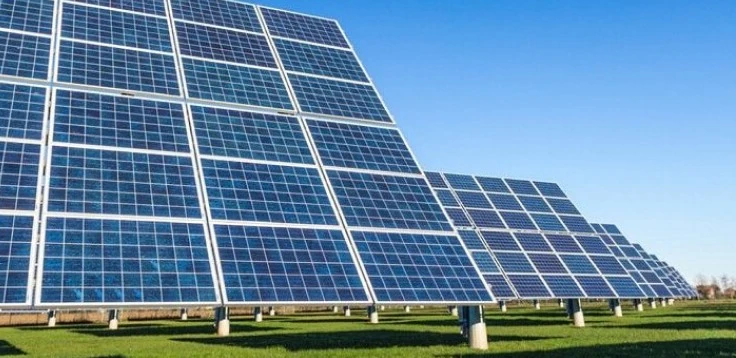
Solar in India is now part of mainstream infrastructure. Projects are large, utility-scale, and tied directly to the grid. Costs can be managed well, but many plants still run into overruns. Solar can be affordable if projects are planned with care.
Land is Cheap, Until It Isn’t
Land choice shapes the success of a project. Solar plants do not always work best on desert land. Deserts create dust, transmission gaps, and water shortages for cleaning. Agricultural land is difficult to acquire and costly.
The most efficient projects often use scrubland near substations. This avoids long transmission lines and land conflicts. In Surat, the best solar company in Surat has built plants on unused patches with local cooperation. This kept disputes to a minimum and reduced delays.
Panels Are Not All the Same
Cutting panel costs at purchase can backfire. Some panels degrade faster and reduce returns. Paying slightly more for Tier-1 panels or bifacial modules often saves money in the long run.
Upfront costs may be higher, but lifecycle savings are significant. In India, even a small drop in the Levelized Cost of Energy changes the business case. Tracking systems also add value in high-irradiance areas like Rajasthan. In Surat, where humidity and clouds are common, fixed-tilt designs may be more practical.
Every site needs its own engineering decisions. Copying one project model rarely works.
Construction Efficiency is Underrated
Construction delays increase costs more than most expect. Solar plants may look simple, but coordination matters.
Delays often happen when materials arrive out of sequence. Panels sit unused while structures are missing. Labor is paid but not productive.
The best solar company in Surat reduces this waste by strict scheduling. Civil works, cabling, and structures are ready before modules are delivered. Commissioning is phased in sections. These practices shorten build times and cut overhead.
Financing and Policy—Not Just Technicalities
Financing terms shape project costs as much as design. Public banks may offer cheaper loans but release funds slowly. Private lenders charge more but may keep projects on track.
Policy adds another layer. Net metering, state rules, and grid approvals vary. Even strong technical execution fails if approvals drag. Local companies often succeed because they understand these processes. The best solar company in Surat has shown that experience with local regulators speeds up projects.
Labor and Skills—The Human Side
Solar construction needs trained workers. Unskilled labor is not enough for wiring, foundations, and safety.
Some developers cut costs by hiring the cheapest crews. The result is rework, faults, and accidents. Paying more for skilled labor reduces these risks. It saves money over the life of the project.
The Balance Between Local and Imported
India is promoting local manufacturing, but imported panels still dominate. Imports remain cheaper for large projects.
A mix of imported modules with local structures and cabling balances cost and availability. This approach keeps projects moving while domestic capacity grows. Gujarat firms, including the best solar company in Surat, often follow this blended strategy.
Thinking Beyond the Plant
Grid integration and community acceptance are often overlooked. A plant cannot deliver savings if substations cannot handle its output. Curtailment becomes an unplanned expense.
Local support also matters. Ignoring landowners and communities leads to protests and stoppages. Some firms build goodwill by training locals and offering jobs. The best solar company in Surat has invested in community programs that prevent conflict and reduce hidden costs.
Final Thoughts
Cost-effective solar is not about the cheapest panels or lowest wages. It comes from smart land choices, long-term equipment planning, reliable scheduling, and careful financing. Projects that ignore these factors often spend more fixing mistakes later.
Solar power plant construction in India works best when hidden costs are avoided, not just when upfront costs are cut. Long-term thinking makes projects affordable and reliable.

Sign in to leave a comment.