
Introduction
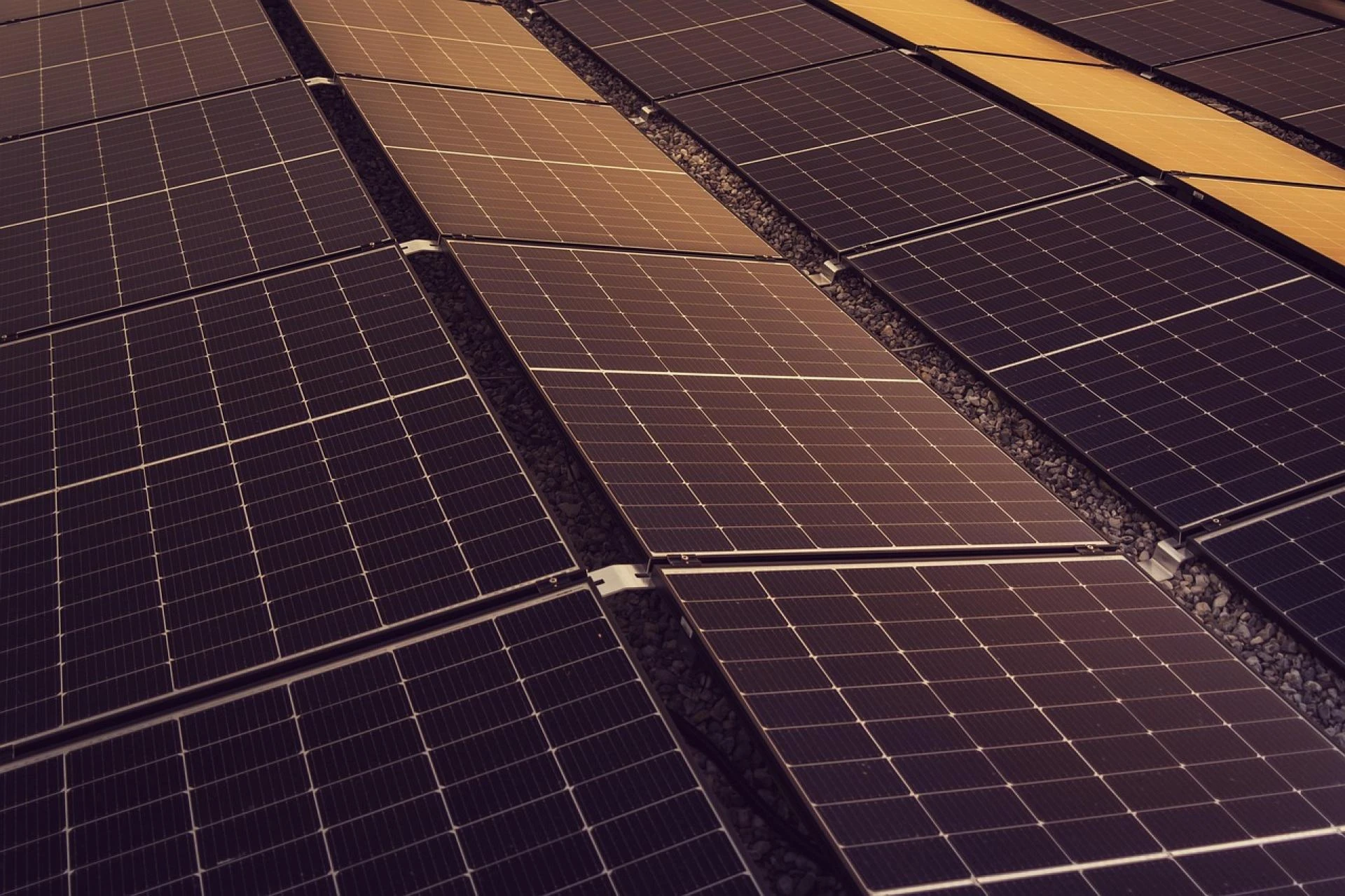
The growing adoption of industrial solar energy solutions reflects how energy-intensive sectors are increasingly turning to solar to manage costs, reduce emissions, and stabilize long-term power supply. Within this transition, it is important to distinguish how large-scale solar installations differ from both commercial and utility-scale projects. Although these categories may appear similar in capacity, their objectives, design considerations, ownership models, and operational priorities vary in meaningful ways.
Defining Large-Scale Solar Installation
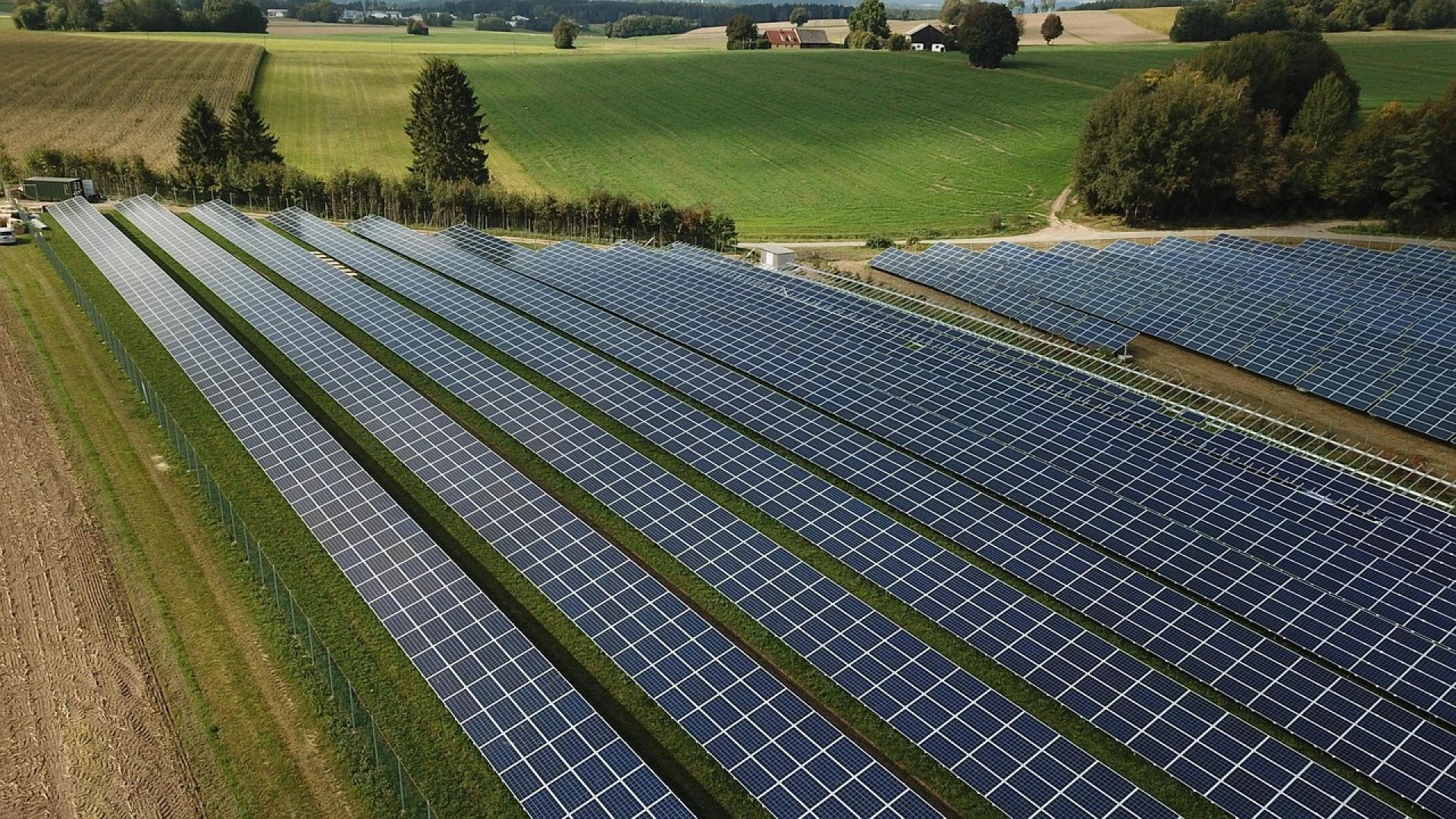
A large-scale solar installation typically refers to systems deployed for high-consumption users such as manufacturing plants, refineries, mining operations, or industrial campuses. These installations often range from several megawatts upward but are primarily designed to serve on-site demand rather than export power to the grid as a primary function. The key differentiator is purpose: industrial-scale systems focus on energy self-consumption, reliability, and alignment with production cycles.
In contrast, commercial solar projects such as rooftop systems on offices or shopping centers are generally smaller and optimized for reducing operating expenses, while utility-scale projects are built almost exclusively to generate electricity for sale to the grid.
Ownership and Financial Structure
Large-scale industrial solar projects are often owned directly by the energy user or structured through long-term power purchase agreements (PPAs) tied to a specific facility. For example, an automotive manufacturing plant may install a multi-megawatt ground-mounted solar array to hedge against electricity price volatility.
Commercial projects, by comparison, frequently involve simpler ownership models and shorter payback expectations. Utility-scale projects, meanwhile, are typically financed by developers or independent power producers and rely heavily on regulatory frameworks, tariffs, and grid contracts.
Design and Technical Complexity
Industrial solar installations are engineered to integrate closely with existing electrical infrastructure and load profiles. Factors such as continuous operations, peak demand management, and power quality play a significant role. In some cases, systems are paired with energy storage to ensure stability during grid disturbances or to support critical processes.
Commercial systems are usually less complex, often standardized, and focused on maximizing rooftop or available space. Utility-scale projects emphasize land optimization, grid compliance, and long-distance transmission rather than site-specific load matching.
Grid Interaction and Regulatory Considerations
Large-scale industrial solar projects typically operate under self-consumption or captive power regulations, exporting excess energy only when permitted. This contrasts with utility-scale solar plants, which are deeply integrated into transmission networks and subject to extensive grid operator oversight.
For example, an industrial solar installation at a steel plant may prioritize internal load balancing, whereas a utility-scale solar farm must comply with dispatch schedules and grid frequency regulations.
Real-World Distinctions in Practice
A food processing facility installing a 10 MW solar plant within its premises illustrates the industrial model: energy generation is synchronized with production shifts, reducing dependence on external supply. Meanwhile, a 10 MW utility solar farm in a rural area may serve thousands of households, with no direct connection to industrial consumption patterns.
Future Outlook
As industries pursue decarbonization and energy resilience, large-scale industrial solar installations are expected to grow in sophistication. Hybrid systems combining solar, storage, and demand response will become more common. At the same time, clearer regulatory frameworks will be needed to differentiate industrial projects from utility-scale assets, ensuring grid stability while supporting industrial competitiveness.



























Sign in to leave a comment.