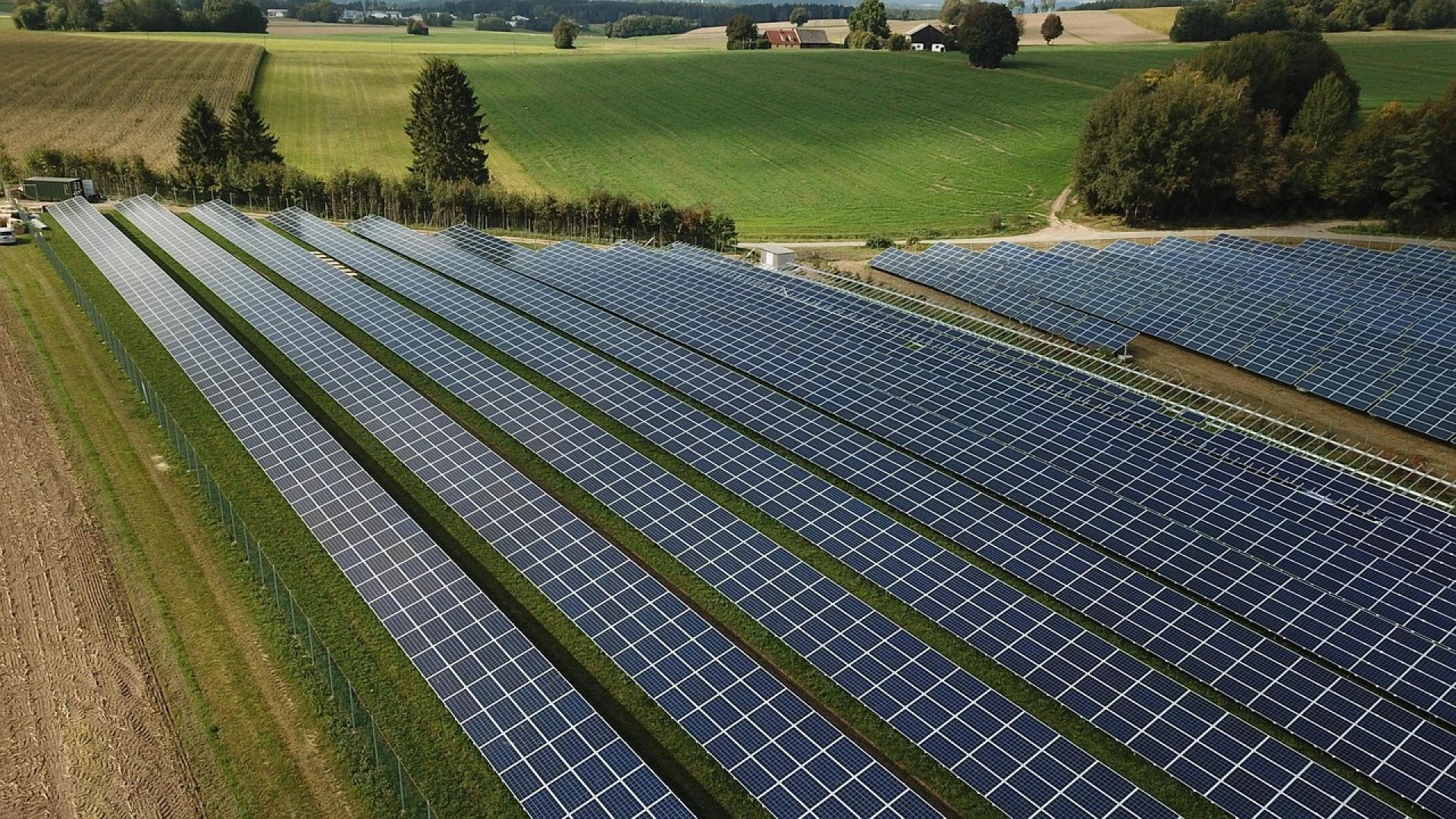

Understanding Captive Solar in the Industrial Context
As energy costs and sustainability pressures rise, many industries are adopting captive solar power plants to secure reliable and cost-effective electricity. The captive solar plant cost is often the first factor decision-makers evaluate, as it directly impacts project feasibility and payback timelines. Captive solar systems are typically installed by manufacturing units, data centers, or commercial facilities for self-consumption, allowing them to reduce dependence on grid power and mitigate tariff volatility. Costs vary depending on plant size, land availability, technology choice, and regulatory framework, but economies of scale often make captive installations financially attractive over the long term.
Financing Models and Their Influence on Captive Solar Cost per kW
Financing Models and Their Influence on Captive Solar Cost per kW play a decisive role in determining the overall economics of a captive solar project. Traditionally, many companies opted for full equity investment, where the entire capital expenditure is borne upfront by the consumer. While this model results in the lowest long-term cost per unit of electricity, it requires substantial capital allocation and longer payback periods. In contrast, debt-financed models where a portion of the project is funded through loans—reduce upfront equity requirements but slightly increase the effective cost per kW due to interest obligations.
Another increasingly popular approach is the build-own-operate (BOO) or build-own-operate-transfer (BOOT) model. In these structures, a developer invests in and operates the solar plant while the captive consumer commits to long-term power offtake. Although the per-kW cost may appear higher compared to pure equity models, the reduced capital risk and predictable cash flows make this option attractive for companies prioritizing balance-sheet flexibility.
Cost Components and Scale Effects
The cost per kW of captive solar power is influenced by several technical and commercial components. These include photovoltaic module prices, inverters, mounting structures, civil works, and grid-integration infrastructure. Larger installations—typically above 5 MW—benefit from lower per-unit costs due to bulk procurement and optimized engineering. For example, industrial clusters in India and Southeast Asia have reported significantly lower captive solar costs by aggregating demand and standardizing project designs.
Real-World Applications
Steel manufacturers, cement plants, and IT parks provide strong real-world examples of captive solar adoption. A mid-sized manufacturing facility operating a 10 MW captive solar plant can offset a substantial portion of daytime electricity consumption, leading to predictable energy costs for 20–25 years. Such installations often achieve grid parity within a few years, even under conservative financing assumptions.
Future Outlook
Looking ahead, declining module prices, improved energy storage integration, and innovative financing structures are expected to further reduce captive solar costs per kW. Green financing instruments and policy incentives may also enhance project viability. As energy resilience and decarbonization become strategic priorities, captive solar power is likely to evolve from a cost-saving option into a core component of industrial energy strategy.






















Sign in to leave a comment.