

When you work closely with a Green Hydrogen Developer, you quickly realize that not every renewable plant is built for hydrogen. On paper, a solar or wind project may look perfect. On-site, it often tells a different story. The Best Solar Wind & Hybrid EPC Company thinks about hydrogen from the first sketch, not as an add-on later.
Power Quality Comes Before Capacity
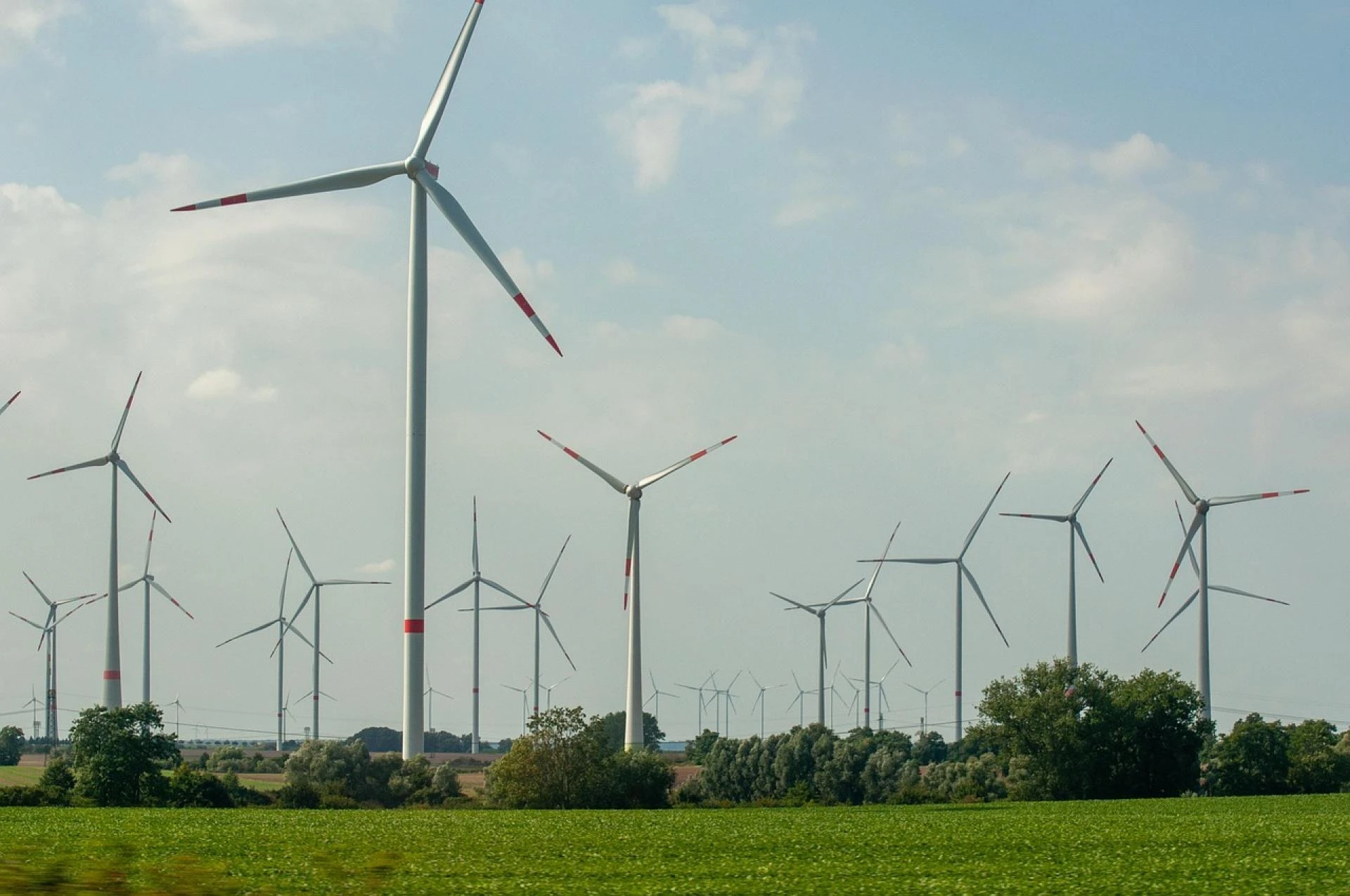
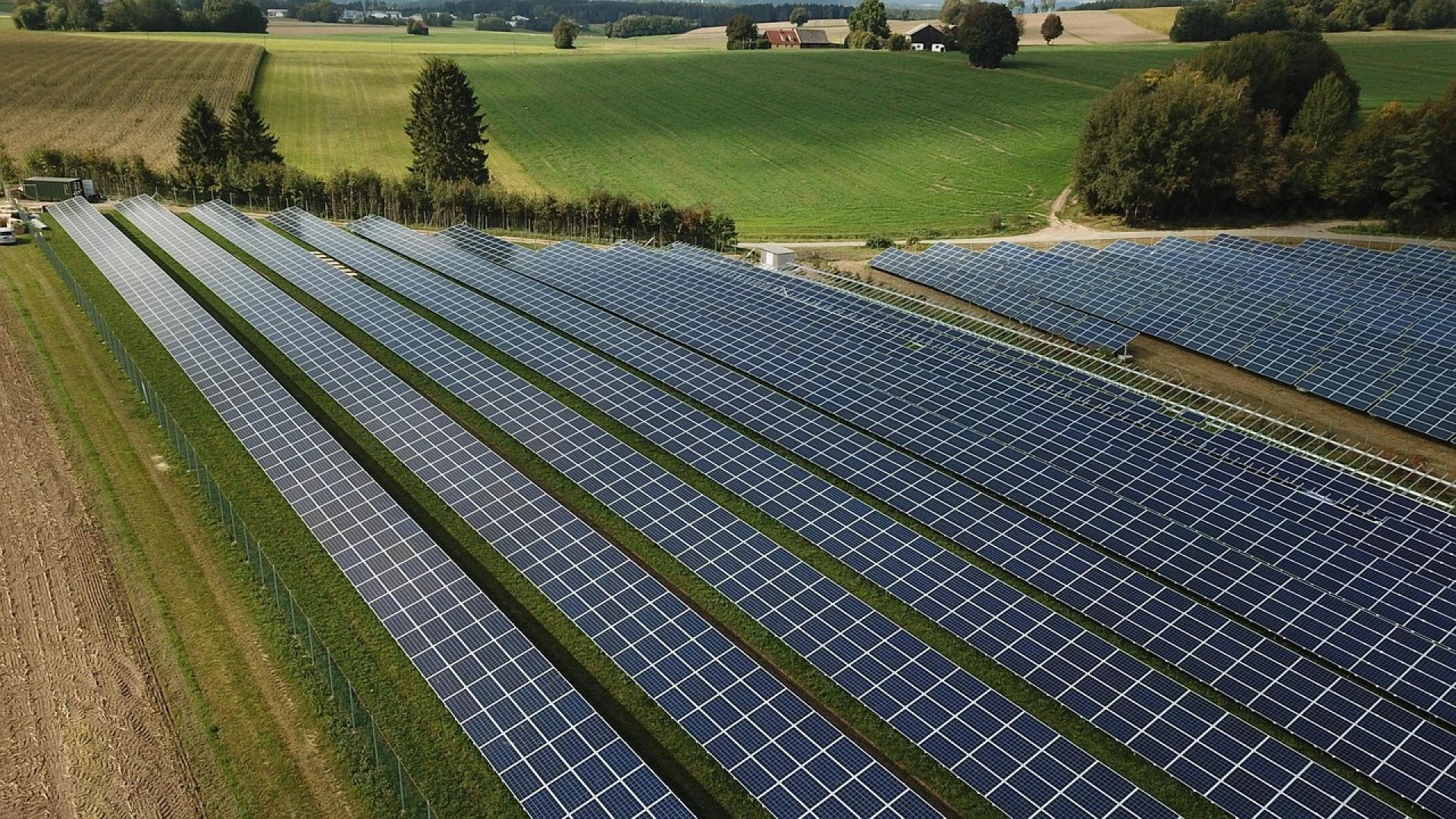
Early in my career, I visited a hybrid plant designed only for grid sale. When discussions shifted toward hydrogen use, the cracks showed. Voltage fluctuations were frequent, and ramp rates didn’t match electrolyzer requirements. Extra equipment was added later, pushing costs up. Since then, I’ve seen EPC teams design hybrid plants with smoother power curves by combining wind generation at night and solar during the day. This approach reduces stress on electrolyzers and improves availability for hydrogen production.
Layout Decisions Shape Hydrogen Readiness
Layout planning sounds basic, but it decides everything. On one site, the renewable plant and proposed hydrogen facility were separated by nearly two kilometers. Cable losses added up quickly. Retrofitting became expensive. Compare that with projects I’ve seen under groups like KP Group, where EPC teams plan evacuation corridors, space for future electrolyzers, and water access early. That foresight saves time and avoids redesign later. If you’re serious about hydrogen, plant layout isn’t optional planning. It’s the foundation.
Hybrid Design Is About Timing, Not Just Technology
Solar and wind don’t just balance generation; they balance time. During a hybrid project I worked on in western India, solar peaked when hydrogen demand was steady, but wind picked up late evening when grid demand dropped. That combination kept electrolyzers running longer without pulling from the grid. The best Solar Wind & Hybrid EPC companies model these patterns early. They don’t guess. They study site-specific wind data and solar irradiation before locking designs.
Grid and Hydrogen Must Coexist
One common mistake I’ve witnessed is designing renewable plants only around grid export. Later, hydrogen is “plugged in.” That rarely works well. On a hybrid site tied to a hydrogen pilot, grid tripping during commissioning delayed electrolyzer testing by weeks. EPC teams with hydrogen experience now design dual-mode systems. Power can shift between grid and hydrogen smoothly. That flexibility matters when tariffs change or grid availability drops.
Water and Infrastructure Are Not Afterthoughts
Hydrogen needs water. Everyone knows that. Fewer people plan for it properly. On one project, water pipelines were planned after renewable construction. Trenching damaged existing cable routes. Delays followed. In contrast, experienced EPC teams coordinate civil, electrical, and water infrastructure together. I’ve seen projects where this planning alone cut months off timelines.
Experience Shapes Better Outcomes
The difference between an average EPC contractor and the Best Solar Wind & Hybrid EPC Company shows in these small decisions. Working alongside Green Hydrogen Developers taught me that hydrogen changes how you design everything. Groups like KP Group, with experience across wind, solar, and hybrid EPC, understand this transition better because they’ve seen projects evolve, not just start fresh.
If you’re planning hydrogen-linked renewables, remember this: design for hydrogen from day one. Fixing it later always costs more.






















Sign in to leave a comment.