
Coordination Beats Speed Every Time
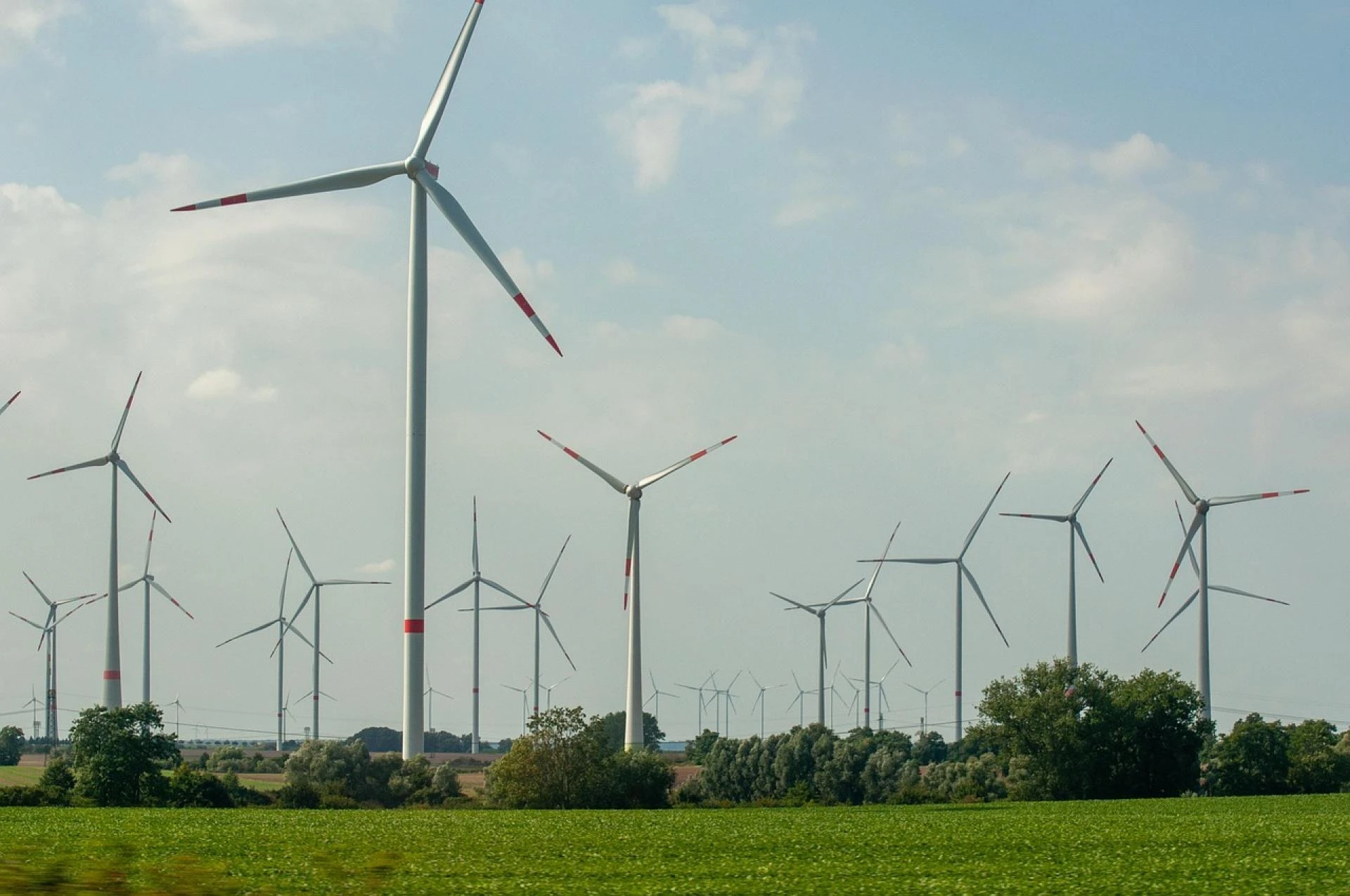
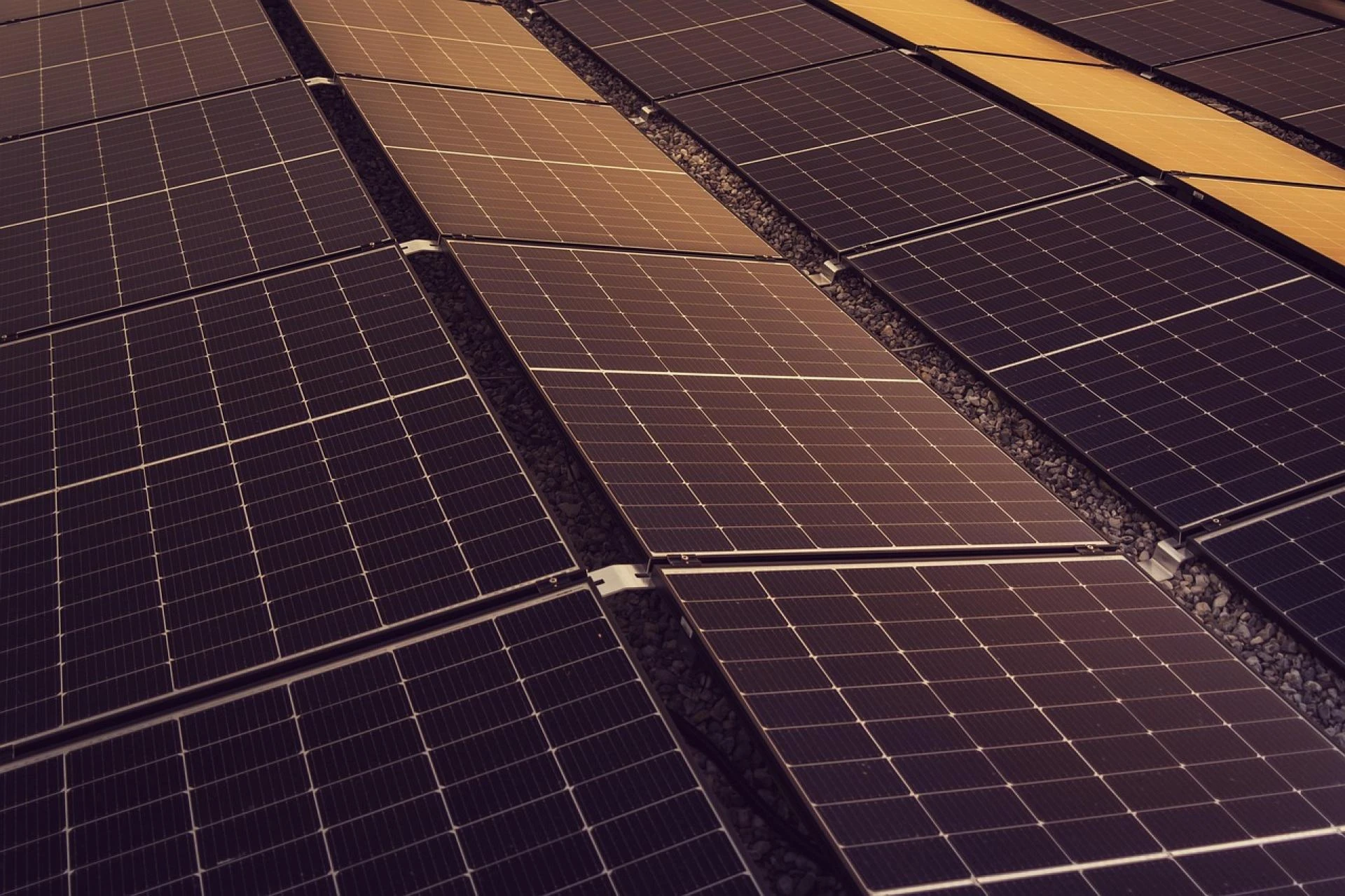
Working as a Wind Solar Hybrid Developer, you quickly learn that moving fast means nothing if teams are out of sync. On one early project, wind foundations were completed ahead of schedule, but solar modules arrived weeks late. The delay looked minor on paper. On-site, it meant cranes standing idle and daily costs creeping up quietly. That experience reshaped how I look at Wind Solar Hybrid Installation. Tight coordination between wind and solar timelines matters more than finishing one scope early.
Land Layouts Change Once Solar Enters the Picture
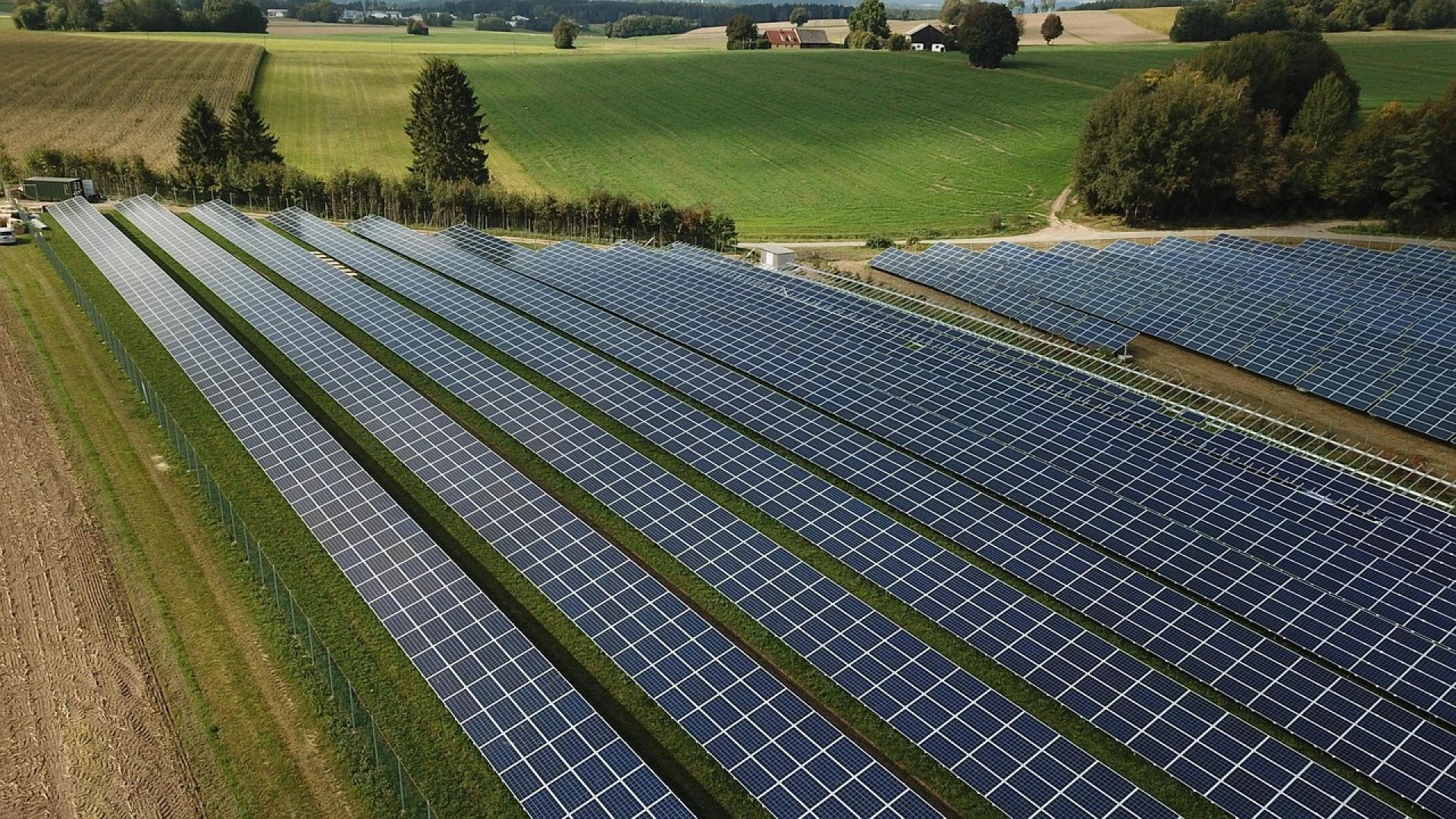
Hybrid layouts behave differently in real life. During one project, the wind layout worked perfectly until solar arrays were added. Suddenly, maintenance vehicles struggled to pass between turbines and panels. Access roads felt squeezed. We ended up modifying routes mid-construction, which added both time and cost. Since then, I’ve learned to walk the site multiple times before locking layouts. A good Wind Solar Hybrid Developer designs for movement, not just megawatts.
Weather Dictates Installation Strategy
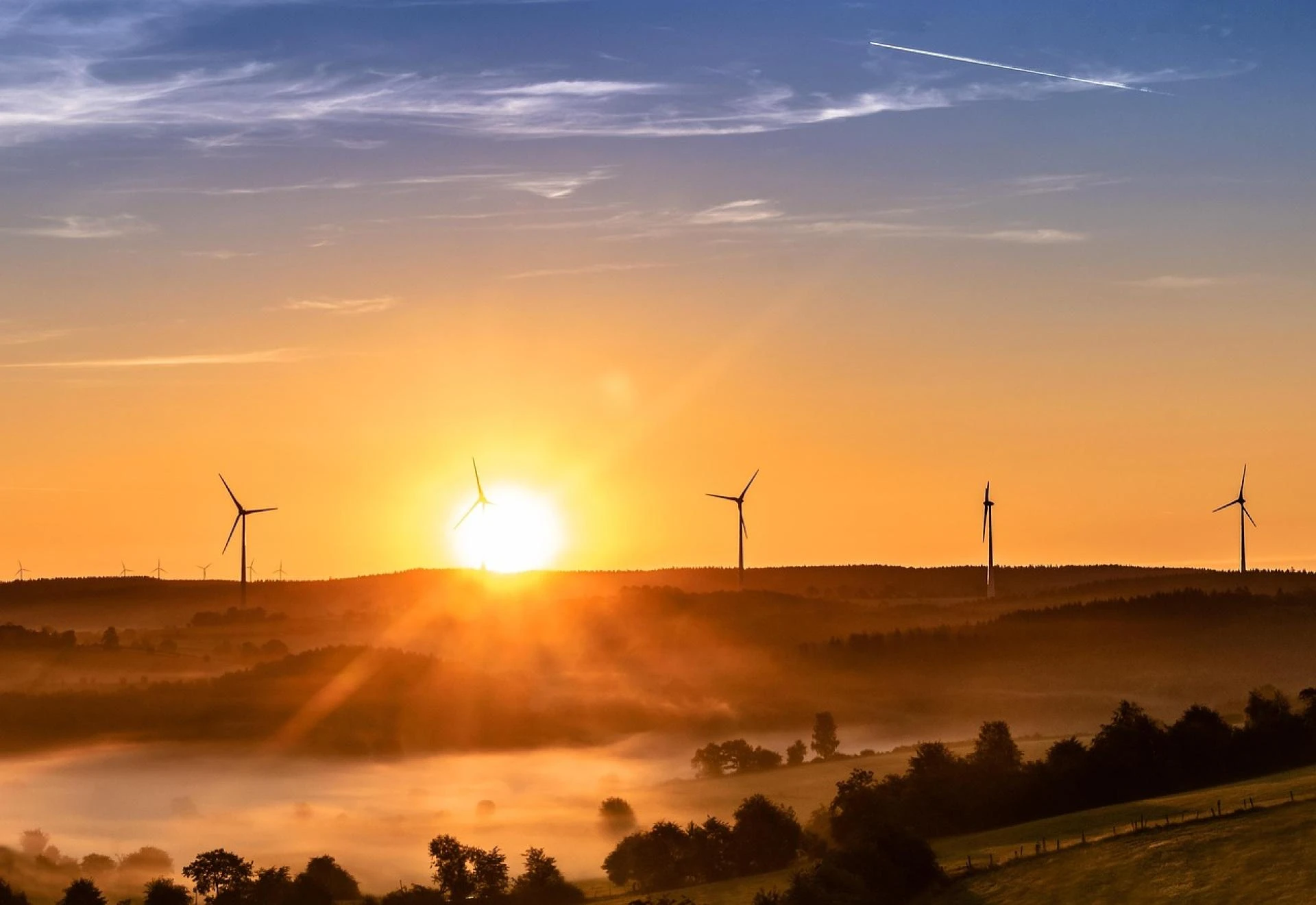
Weather rarely follows planning charts. On a coastal Wind Solar Hybrid Installation site, strong afternoon winds made solar module installation unsafe. Instead of pushing crews to stick to the plan, we shifted work to early mornings. Productivity improved, and safety incidents dropped to zero. Wind and solar don’t just complement each other in generation. They also demand flexible thinking during installation.
Grid Integration Needs Extra Attention
Hybrid commissioning is rarely smooth. On one project, grid evacuation systems struggled to handle combined wind and solar output during synchronization. Trips were frequent, and frustration was high. Weeks of tuning finally stabilized the system. This phase taught me that hybrid projects need more commissioning time, not less. Experienced developers like KP Energy, who have handled both wind and hybrid projects, often anticipate these grid-level challenges early.
People Make or Break Hybrid Projects
Technology gets most of the credit, but people decide outcomes. I once worked on a site where wind and solar teams barely interacted. Cable routes overlapped. Earthing plans conflicted. Small issues piled up fast. Once we introduced joint daily briefings, coordination improved almost immediately. Wind Solar Hybrid Installation works best when teams think as one unit, not separate departments.
Patience Pays Off in Performance
Hybrid plants don’t always shine on day one. On a Gujarat site, early generation numbers looked average, and stakeholders grew nervous. By the end of the first year, the plant consistently outperformed nearby standalone projects. Wind Solar Hybrid Installation rewards patience. Real performance shows over time, not during the first few reports.
If you’re stepping into this space, remember this: hybrid projects teach you constantly. When wind and solar finally work together smoothly, you don’t just see it in the data. You feel it in the way the entire project settles into rhythm.





















Sign in to leave a comment.