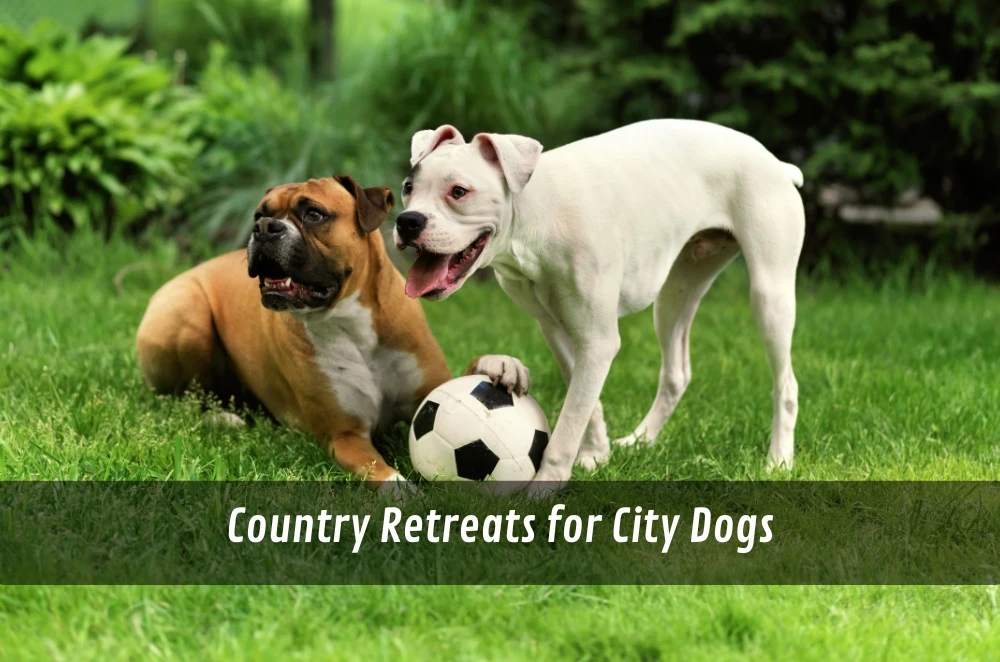

City life has a way of swallowing whole weeks without you noticing. I’ve had stretches where work ran late, errands piled up, and my dog’s world shrank to the same footpath loops. That’s usually when I start looking for dog boarding in Queensland options that feel more like a break than a compromise. It’s not about pampering. It’s about breathing space — something city dogs rarely get. You can buy the best toys and organise cute outings, but it’s hard to compete with wide paddocks, clean air and quiet nights outside urban noise. That contrast alone can dial down a dog’s tension in a way you can see almost immediately.
I remember the first time I booked a country retreat for my own dog after a rough patch at work. I drove in feeling guilty, half-rushed, half-unsure. By the time I arrived to collect him a few days later, he was trotting around a paddock like he owned the joint. Not anxious. Not hyper. Just settled. It made something click for me: some environments simply do more good than we realise.
What makes a real country-style retreat different
Not every retreat using the word “country” offers the same experience. Some are just standard kennels a bit further down the highway. A true retreat creates separation — not just physical distance from the city, but a gentler pace.
A good one usually has:
- Room to roam, not just fenced gravel runs
- Natural sounds, not constant barking or traffic
- Play options shaped by behaviour, not a “one-size-fits-all” yard
- Staff who actually observe dogs, not just rotate them through routines
When I spent a morning shadowing a retreat operator for a story years ago, I noticed how often she paused to watch the dogs — not interfere, just watch. She could tell when one needed a breather or when another was on the verge of sensory overload. That kind of attention is hard to replicate in high-volume city facilities.
Knowing Queensland rules helps you choose wisely
Most retreats have their own land, but they also need to understand what’s allowed around them — especially in regions with wildlife corridors or parks nearby. The clearer they are on those rules, the safer your dog’s stay will be.
A lot of owners skim the dogs in Queensland parks guidelines before booking, and it’s worth doing. It sets out where dogs can go and where they must stay leashed, partly to protect native animals.
A retreat that respects these boundaries is usually a retreat that has its overall act together. If an operator can talk confidently about safety, wildlife and off-lead protocols, it’s a subtle sign they take responsibility seriously.
Picking the right retreat for your dog’s personality
Finding the right place isn’t about glossy photos — it’s about the fit. I once booked a retreat purely because it looked idyllic online. My dog came home flat, like he’d been trying to keep up all weekend. That trip taught me to look deeper.
Now I always check:
- Noise patterns — How many dogs stay at once?
- Behaviour-based grouping — Are playmates chosen by energy, not just size?
- Staff qualifications — Who’s trained in dog behaviour or first aid?
- Daily rhythm — Do they balance play with downtime?
Some dogs love full-throttle activity. Others need slow mornings and predictable routines. One retreat I toured had a shaded “thinking yard” for calmer dogs — logs, scents, puzzles. If your dog is a worrier, that sort of environment can make the stay feel restorative rather than overwhelming. For broader decision-making, you might eventually link to how to choose a dog retreat in Queensland once the host site builds out related content.
Daycare vs country retreats — not the same thing
It’s easy to lump daycare and retreats together, but they meet different needs. Daycare is great for social butterflies who like the bustle and energy of group play. Retreats offer something else entirely: space, calm, and the sort of sensory variety city environments just can’t match.
If you’re torn between the two, a comparison like the benefits of dog daycare vs boarding can help break it down. The key difference is often overstimulation. Some dogs thrive in busy environments; others crash from it.
A typical day at a Queensland country retreat
While every place runs on its own rhythm, the pattern often looks something like this:
- Morning outdoor time — dogs explore when they’re naturally most curious.
- Enrichment blocks — scent games, light agility, supervised wandering.
- Long midday rest — crucial for preventing behavioural blowouts.
- Late-afternoon paddock time — small groups matched for temperament.
One time, I arrived early for pick-up and saw a handler walking four dogs along a bush track. No chaos. No shouting. Just steady footsteps and the soft jingle of tags. The dogs weren’t chasing anything or trying to out-run each other — they were simply existing, which feels rare in city environments. That small scene told me more than any website blurb ever could.
Questions worth asking before you book
If you want to avoid guesswork, these questions reveal a retreat’s real culture:
- “How do you manage anxious or overstimulated dogs?”
- “What’s your plan when the weather turns?”
- “Is someone on-site overnight?”
- “How do you introduce dogs to group play?”
- “What’s your emergency vet protocol?”
You’ll know quickly if an operator is transparent or vague. The good ones talk philosophy, not just facilities.
Preparing your dog for a smoother stay
Even the best retreat works better when your dog arrives ready. A few small things help more than people realise:
- Pack a familiar-smelling blanket or shirt.
- Label food clearly and use airtight containers.
- Mention feeding peculiarities, allergies or quirks.
- Tell the staff about triggers or calming strategies that actually work.
These details make the first 24 hours calmer, which sets the tone for the whole stay.
Final thoughts
City dogs adapt to our pace almost too well. They tolerate noise, routine and cramped spaces because they have no choice — and they rarely complain in ways we immediately understand. Country retreats offer something we can’t manufacture at home: room to slow down. If you choose a retreat that matches your dog’s temperament and respects their need for space, you’ll notice the difference when they come home. Softer eyes. Looser body language. A kind of quiet confidence that only comes from unhurried days.





























Sign in to leave a comment.