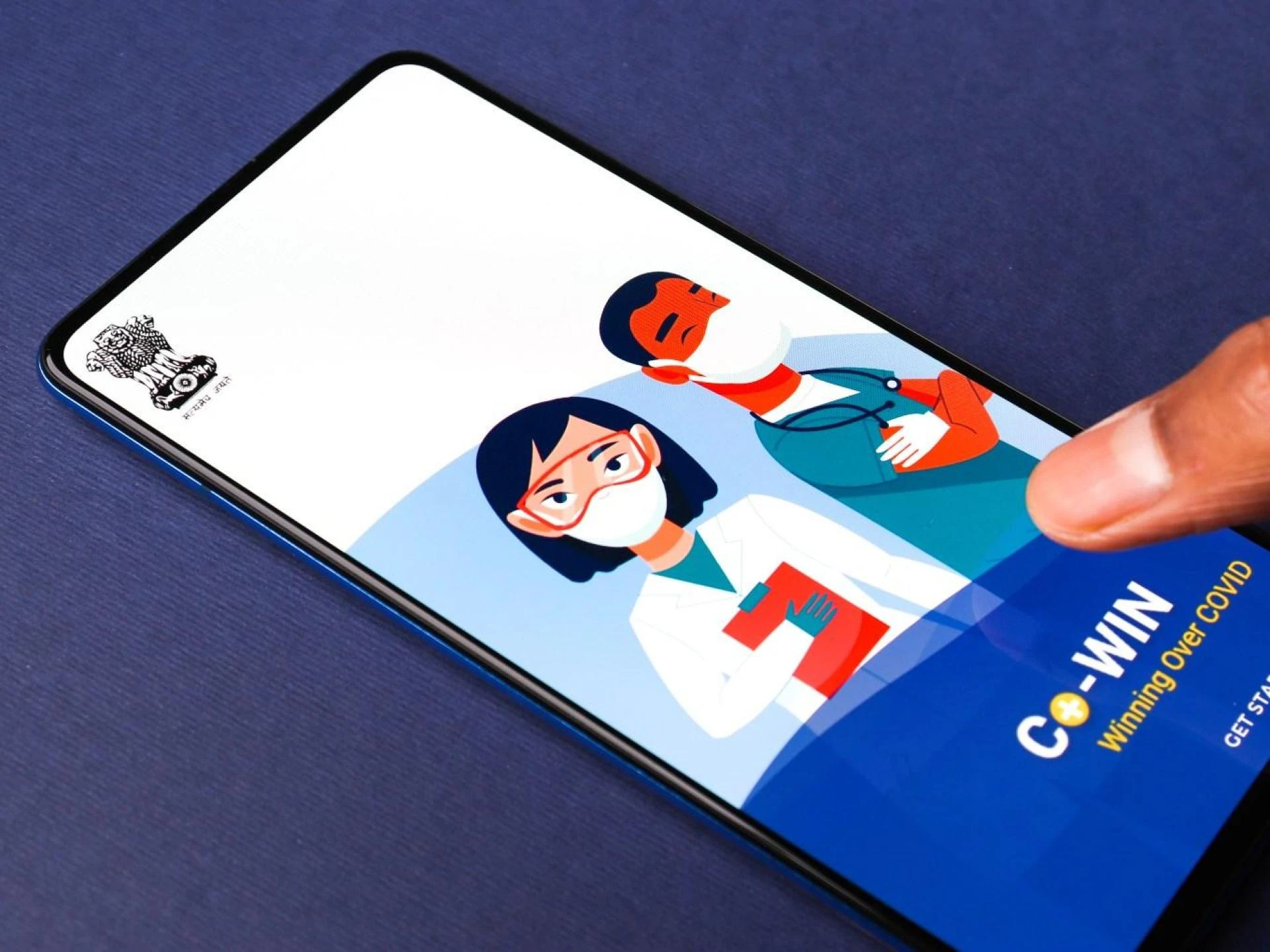

The CoWIN certificate, once a symbol of India’s vaccination success, is now causing unexpected challenges for overseas travellers. Many visa applicants have reported delays or rejections due to inconsistencies in their digital vaccination records. Despite efforts to streamline verification through the CoWIN portal, mismatched data, inaccessible downloads, and formatting errors continue to frustrate applicants preparing for international travel or employment abroad.
Why the CoWIN certificate is essential for travel
After Covid-19 vaccination drives, the CoWIN certificate became the primary proof of inoculation for both domestic and international purposes. It contains key details such as the vaccine name, batch number, date of doses, and an official QR code for authentication.
Foreign embassies and airlines often require this document as part of visa processing or entry protocols. Even though most countries have lifted strict Covid requirements, vaccination proof remains mandatory for certain destinations and job applications, particularly in healthcare and hospitality sectors.
Frequent technical and data errors
One of the main issues faced by applicants is data inconsistency. Many certificates display errors in names, passport numbers, or birthdates that do not match passport records. Some users who updated passport details on the CoWIN portal still found discrepancies in the final document.
Additionally, the CoWIN certificate download link often fails due to high traffic or outdated OTP systems. These technical glitches leave travellers scrambling for corrections close to their visa appointments.
In a few cases, applicants found that their vaccination data was missing entirely from the system, despite successful registration and inoculation at verified centres.
Impact on overseas visa processing
Visa processing authorities rely on the accuracy of health documents. Even minor spelling errors or mismatched ID details can lead to delays or rejection. Countries such as Singapore, Australia, and the United Arab Emirates continue to request Covid vaccination proof for certain long-term visa categories.
Travellers with incorrect or unverifiable CoWIN certificate entries often face additional verification steps, such as notarised affidavits or embassy-attested documents. These extra requirements add both time and expense to the visa process.
Concerns over digital verification reliability
The CoWIN portal was initially designed for domestic vaccination tracking, not for international document validation. As a result, foreign authorities sometimes struggle to verify QR codes generated through the Indian system.
Some embassies have reported that QR scans do not always link to active government databases, raising doubts about authenticity. This issue has been particularly concerning for applicants whose CoWIN certificate was issued before certain system updates introduced enhanced encryption and tracking features.
System downtime and data accessibility
Frequent downtime on the official portal has also complicated access. In recent months, users have reported prolonged maintenance windows, preventing downloads or updates for several days. For travellers with imminent visa interviews, these interruptions can be costly.
Additionally, not all Indian states have successfully synchronised local vaccination data with the central CoWIN server, leading to partial or missing entries in some cases.
Data privacy and security issues
With vaccination records linked to Aadhaar and mobile numbers, data privacy has emerged as another concern. Some users fear that repeated attempts to download or update the CoWIN certificate could expose sensitive personal information.
Reports of phishing websites imitating the official CoWIN platform have added to these worries. Cybersecurity experts recommend that users only access the certificate through verified government portals such as cowin.gov.in or the Aarogya Setu app.
Alternative solutions and updates
Authorities have introduced several measures to resolve certificate errors. The portal now allows users to edit basic details and merge multiple vaccination records using OTP verification.
The Ministry of Health has also improved the CoWIN certificate’s international compatibility by aligning its QR format with World Health Organization (WHO) standards. This update enables quicker verification by foreign systems.
Despite these improvements, users continue to face difficulties retrieving corrected documents or accessing the portal during peak periods.
Overlap with Covid test requirements
In addition to vaccination proof, some countries still require recent negative test results before entry. The Covid test cost varies widely across India — from Rs. 300 for RT-PCR in public labs to over Rs. 1,200 in private centres.
Travellers have expressed frustration at having to provide both vaccination and test documents, particularly when inconsistencies between the two records create confusion during verification.
Role of government intervention
The government has acknowledged the technical challenges and urged users to report errors through official channels. A helpdesk on the CoWIN website now addresses correction requests, though response times remain inconsistent.
Officials have also advised travellers to download and store their CoWIN certificate well in advance of any visa process, rather than waiting until the last moment.
Conclusion
While India’s vaccination documentation system was a critical achievement during the pandemic, its technical shortcomings are now affecting international travellers. Inaccuracies in the CoWIN certificate have led to visa delays, additional verification demands, and data privacy concerns. Although updates and corrections are gradually improving reliability, the process remains inconsistent for many users. For those planning to travel abroad, verifying vaccination data early and keeping physical copies of all records can help avoid last-minute complications during visa applications.




























Sign in to leave a comment.