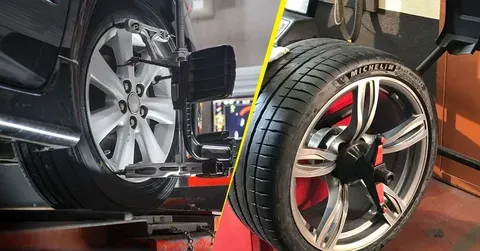
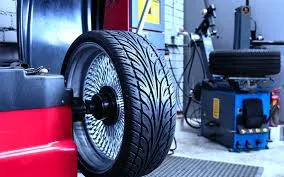
More often than not, a car looks fine on the outside, but in fact it may have wheel alignment issues that progressively damage tyres and cause poor handling every time the car is driven. At the time the car is taken to an MOT centre, these issues, which were not apparent, become clearly visible and quite costly.
West Bromwich motorists can benefit from knowing how their wheel alignment is related to their MOT results so that they can avoid failures that are due to their own faults and save on the costs that will be unnecessary to them for the whole of the year.
What Wheel Alignment Involves
Wheel alignment is the adjustment of a vehicle's tyres to ensure they contact the road surface correctly. Vehicle manufacturers set the angles of each car to maximise tyre contact, steering response, and fuel efficiency simultaneously. If these angles deviate from the set values, the vehicle will not operate as intended.
Most vehicles use three angles to determine correct alignment:
- Toe: It is the direction in which each tyre is pointing in relation to the vehicle's centreline when seen from above; the wrong toe is the main cause of rapid and uneven tyre wear on the tread
- Camber: It is the inward or outward tilt of the tyre from the front view; too much camber makes the tyre wear on one side only and also lowers the tyre's effective contact area with the road
- Caster: This is the tilt of the steering axis when looked at from the side; it influences straight-line stability and how easily the steering wheel comes back to centre after a turn
These three angles are related to each other. When the toe is adjusted, if camber and caster are not checked, new handling issues may appear unintentionally, even when the original problem is being fixed.
What Causes Alignment to Drift
Alignment does not move randomly. Some events and road conditions can greatly change the vehicle alignment, and the drivers in the West Midlands often face these situations.
Most of the time, alignment changes are caused by:
- Hitting a pothole: A major impact with a pothole can change the alignment angles of the car immediately, especially if the car is fitted with low-profile tyres, which provide less sidewall cushioning.
- Scraping the kerb: While parking or turning, hitting a kerb accidentally applies a sudden lateral force on the car's suspension components, displacing the alignment angles noticeably in many cases
- Suspension components in poor condition: Ball joints, tie rod ends, and control arm bushings are the main ones; when a vehicle’s suspension is run down, it keeps the alignment incorrect even after a new adjustment
- Normal wear and tear: Slight alignment change occurs very slowly over tens of thousands of miles, without necessarily one single incident to account for it
West Midlands car owners who schedule wheel alignment West Bromwich inspections alongside their regular maintenance can benefit from early results. The visible tyre damage can adversely affect the vehicle's handling to the extent that MOT testers get concerned.
How Alignment Affects the MOT
Standard MOT should not be expected to check the level of wheel alignment directly.
Nonetheless, the downtime consequences of a poor alignment will certainly lead to problems that are very likely to cause test failures.
Here are some main reasons that a bad alignment can cause the MOT to fail the test:
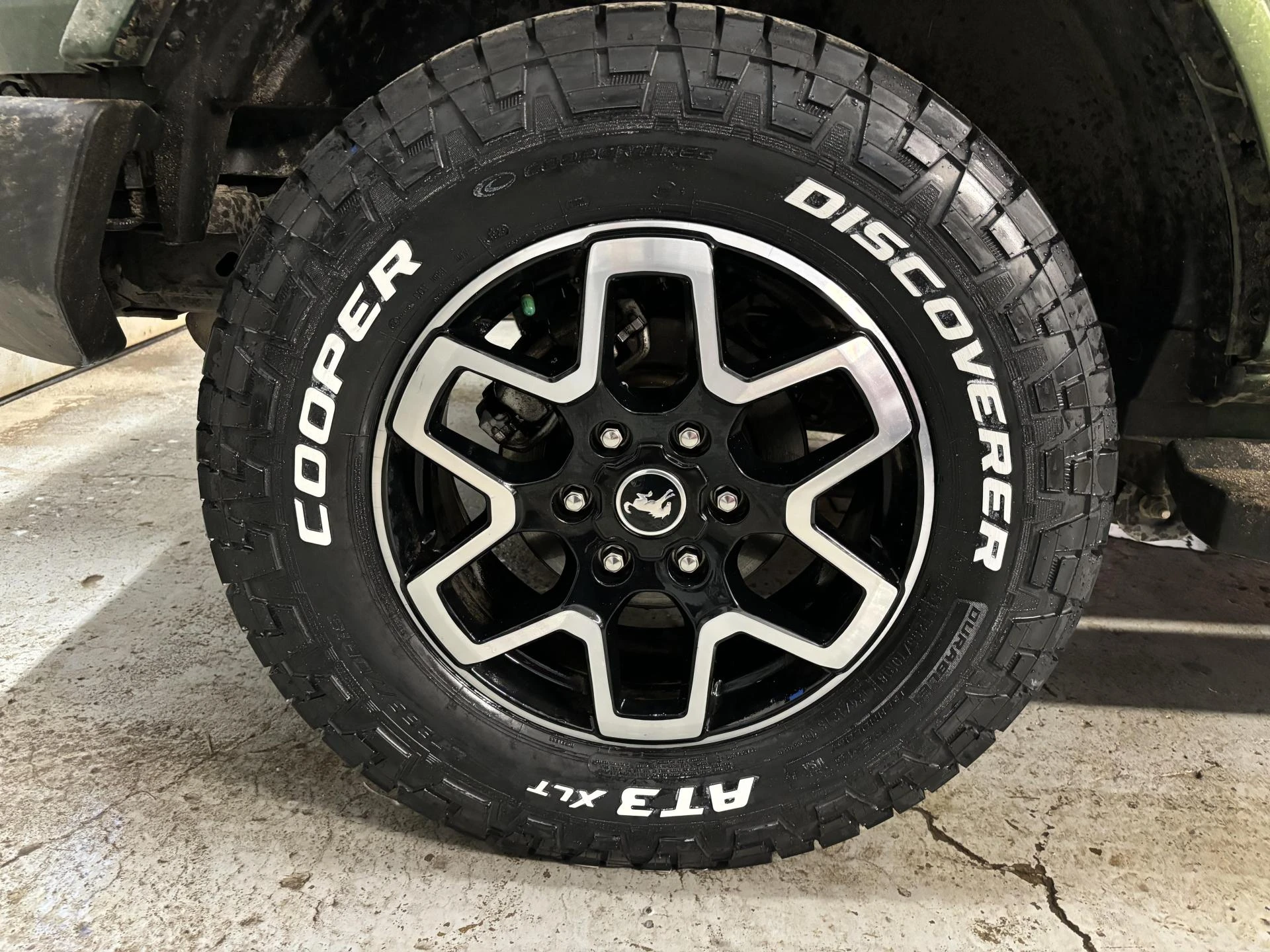
- The tyres condition: Misalignment exposes the tyres to less tread and also to rapid and uneven tread wear, which in many cases causes tyre failure; the law requires that the tread depth should be equal to or above 1.6 mm, so the tyres with less depth on the wear edge fail the test even if the other parts of the tread are still in a good condition.
- Looseness in the steering: Testers easily spot the evidence of excessive play during the steering check, which can be one of the signs of misalignment that has increased the wear of the steering parts.
- Things breaking down in the suspension: The MOT inspection of the suspension has a knack for pointing to the worn suspension parts that have been the cause of the alignment issues; in most cases, the testing results show major defects.
- Pulling and instability: Although they are not the direct measures of the MOT, a car that pulls badly to one side is likely to be a cause for the tester to open the steering and suspension areas to find the reasons.
Understanding MOT Defect Categories
Since May 2018, the DVSA has divided MOT defects into three categories that drivers should be very sure of before they book a test.
An Immediate danger defect is a risk that should be addressed immediately to prevent accidents. Until the point of the fault being fixed, the car is not allowed to be driven away from the test centre.
A major defect is one that results in a failure and must be fixed and tested again before the vehicle is used legally on the road. A minor defect is one that, although it does not cause a failure, is recorded on the certificate as an advisory to be addressed before the next test.
Vehicle owners who make a habit of thoroughly checking their vehicles before taking them for MOT test West Bromwich bookings are greatly, even drastically, reducing their chances of finding major defects. Taking care of known points beforehand is not only the way to get rid of going back to the test and paying again but is also the way to have the vehicle running all the time without any hold-up.
Preparing a Vehicle Before the MOT
Simple pre-MOT checks can massively lower the chances of being caught out with failures that could have been avoided:
- Use a tyre tread depth gauge to measure, rather than guessing the depths visually. Pay particular attention to the inner and outer edges, where wear is heavy due to misalignment
- It is best to test all exterior lights by walking around the vehicle and ensuring each bulb works correctly, including the number plate illumination
- Fill the windscreen washer reservoir to the top, as the automatic failure of the vehicle can occur if the reservoir is empty during the wiping and washing functions check
- Try out the horn. The inspectors will definitely press the horn button at the time of the inspection, and a non-working horn will yield a major fault.
Conclusion
Wheel alignment and the readiness of the car for an MOT are issues that few car users understand. Tyres get unevenly worn, suspension parts wear out faster due to misalignment, and these faults are exactly what cause an MOT test failure.
So, making sure the alignment is on point and prepping the car properly before its yearly test is like taking care of a big chunk of the risk that could cause the failure and the extra expenses.
It has been shown time and again that looking after a car before it breaks down is the least expensive option for every car user.


























Sign in to leave a comment.