

As the demand for healthy superfoods continues to surge globally, a quiet agricultural revolution is brewing in Indian farms. Farmers, agri-entrepreneurs, and forward-thinking cultivators are now turning their attention to blueberry farming in India—an opportunity that promises lucrative returns, long-term sustainability, and a place in the booming wellness industry.
This trend isn't just about profits. It's about diversification, sustainable food sources, and preparing for climate-smart agriculture. Once confined to temperate regions, blueberry cultivation in India is becoming a reality thanks to advanced agri-tech, dedicated R&D, and expert support from companies like Sheel Biotech.
Let’s dive deep into why blueberries plants in India are grabbing headlines and how they are changing the face of Indian horticulture.
Why Blueberries? A Global Superfruit in Local Soil
Blueberries are hailed globally as one of the most powerful antioxidant-rich fruits. Packed with vitamins C and K, fiber, and phytonutrients, they’re often included in diets for managing cholesterol, improving heart health, and enhancing skin texture.
But what makes this berry special from a farmer's point of view?
- High market value compared to conventional fruits
- Export opportunities to wellness-driven markets
- Long shelf life under controlled conditions
- Steady demand from health-conscious consumers and F&B industries
This combination makes blueberries an ideal choice for progressive Indian farmers looking to stand out from the competition.
The Growth of Blueberry Cultivation in India
Blueberry cultivation in India was initially met with skepticism. The plant, native to North America and Europe, requires acidic soil, cool climates, and specific chilling hours for optimal yield. However, with technological interventions, drip irrigation, pH management techniques, and controlled environment farming, this challenge is rapidly being overcome.
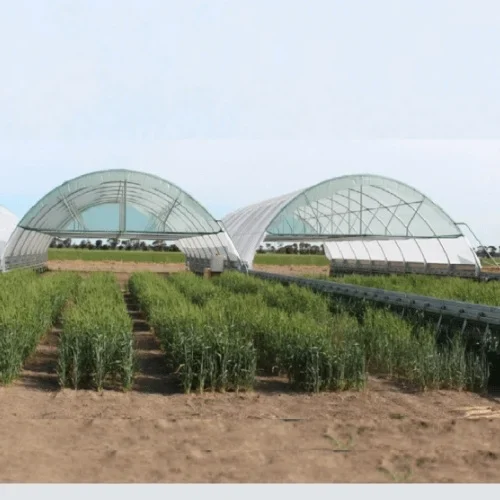
In states like Himachal Pradesh, Uttarakhand, parts of Maharashtra, and Sikkim, experimental blueberry farms are flourishing. Greenhouse systems, mist irrigation, and customized soil blends are helping create near-perfect conditions even in areas with varying climates.
Additionally, the Indian government’s initiatives to support horticulture and niche crops have encouraged farmers to diversify their fields. Subsidies, training programs, and horticulture expos have fueled the movement further.
Breaking Ground with Blueberries Plants in India
Today, you no longer need to import entire plants or rely on uncertain germplasm. With access to tissue culture labs and nurseries that specialize in plant biotechnology, high-quality blueberries plants in India are now locally available. Farmers can opt for disease-free, genetically optimized saplings suited for Indian soil and climatic conditions.
One must note that choosing the right plant variety is critical. Rabbiteye and Southern Highbush varieties have shown the most promise in Indian conditions due to their adaptability and lower chilling requirements.
Moreover, seed storage solutions have improved significantly, with agritech firms offering smart refrigeration, humidity control, and inventory monitoring to ensure the viability of stored planting material.

How Sheel Biotech Supports Blueberry Farming in India
Pioneers in plant tissue culture and agri-biotech, Sheel Biotech has played a key role in supporting Indian farmers with high-tech agriculture solutions. From greenhouse setup to plant propagation and training, their end-to-end support model is enabling smoother transitions into blueberry cultivation in India.
Their modern lab facilities provide customized plant varieties, while their field experts offer training in pruning, fertilization, harvesting, and post-harvest handling. These tailored services have helped many early adopters mitigate risk and achieve successful harvests in record tim
Challenges in Blueberry Farming in India
Of course, growing blueberries in India isn’t without its difficulties:
- Soil acidity must be maintained between 4.5 and 5.5 pH.
- Water quality needs monitoring—chlorinated or high-saline water can harm plants.
- Pollination support is necessary; often bees are introduced manually.
- Harvesting skill is essential to avoid bruising delicate berries.
This is where expert guidance and modern infrastructure become game-changers
Blueberries and the Urban Agri Revolution
An unexpected trend? Urban farmers and rooftop gardeners are also exploring blueberry plants in India. With pot-friendly cultivars and grow-bag techniques, blueberries are entering metro homes and terraces. This reflects a broader trend of sustainable farming, nutritional awareness, and the rise of boutique farming in cities.
Export Potential: The Next Big Blue
With the government promoting export-oriented agriculture, blueberry farming in India can serve both domestic and international markets. India can become a net exporter of off-season blueberries to countries like UAE, Japan, and Singapore, where Indian blueberries fetch premium prices during non-peak months.
Agri-clusters and FPOs (Farmer Producer Organizations) can play a major role in aggregating small farmers and creating export-ready volumes with uniform quality.
Seed Storage Solutions: Preparing for a Perennial Yield
Blueberries are perennial plants that take 2–3 years to start yielding but can continue for over 20 years with proper care. That’s why efficient seed storage solutions and planning are essential.
Storage protocols for blueberry seeds or saplings now include:
- Refrigerated storage units
- Desiccators to control humidity
- Vacuum packaging to prevent microbial contamination
- Tracking systems for age and batch info
These modern practices ensure healthy plant propagation over the years.

Final Thoughts: India's Blueberry Moment is Here
The time is ripe—literally and figuratively. With rising awareness about health, increasing disposable incomes, and climate-resilient agriculture taking center stage, blueberry farming in India is no longer a fantasy. It's a booming reality in the making.
For farmers willing to invest in high-tech farming, patient cultivation, and premium markets, the blueberries plants in India offer a sustainable and profitable crop alternative.
And as more research, support, and infrastructure become available, India could soon be on the global map for this mighty little berry.





























Sign in to leave a comment.