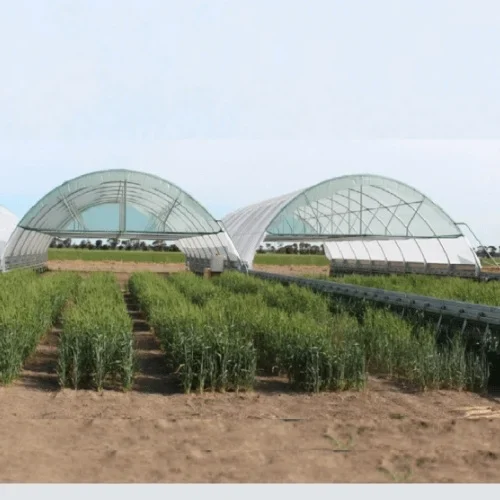

The Indian agricultural landscape is undergoing a remarkable transformation. No longer limited to staple crops and traditional fruits, farmers and agri-entrepreneurs are now turning toward high-value superfruits like blueberries and raspberries, supported by state-of-the-art greenhouse technology.
With a rising demand for antioxidant-rich diets, immunity boosters, and organic produce, fruits once thought exotic are now taking root in Indian soil. Backed by tech-driven solutions and scientific cultivation methods, this superfruit surge is more than a passing trend—it’s a movement toward profitable, sustainable, and globally competitive farming.
Why Superfruits Are in Demand
In a health-conscious, post-pandemic world, nutrient-dense fruits have become everyday essentials. Blueberries and raspberries—once rare in Indian supermarkets—are now staple ingredients in smoothies, desserts, breakfast bowls, and even skincare.
- Rich in antioxidants
- Known for anti-aging and immunity-boosting properties
- High export potential
- Increasing demand from hotels, restaurants, and health brands
Consumers are not only willing to pay a premium for freshness and quality but are actively seeking out locally grown options. This opens new doors for Indian farmers, especially in regions suited for temperate crops.
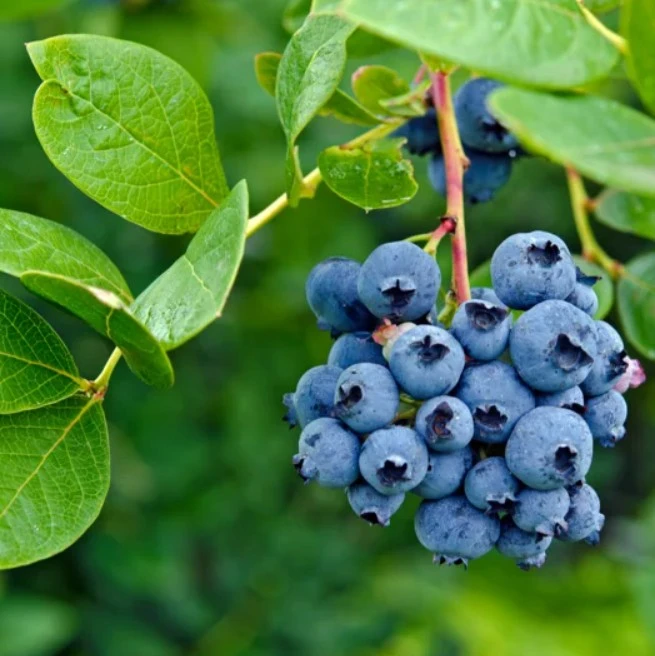
The Rise of Blueberry Farming in India
Blueberry farming in India is gaining momentum, thanks to precision farming techniques and climate-adaptive cultivation methods. Blueberries thrive in acidic soil, cooler climates, and controlled environments. Traditionally considered unsuitable for India’s diverse weather, the challenge has now been overcome by using greenhouse and protected farming technologies.
Companies like SheelBiotech.com are leading the charge by offering specially curated blueberry plants that are disease-resistant, fast-growing, and tailored for Indian agro-climatic zones.
What’s driving the trend?
- High Return on Investment: One acre of well-maintained blueberry farm can yield significantly higher profits compared to traditional fruit crops.
- Growing Export Market: Gulf countries, Southeast Asia, and Europe offer high margins for Indian-grown organic blueberries.
- Long Harvest Season: Blueberries produce fruit for multiple months, ensuring continuous cash flow.
Exploring Raspberry Farming in India
Much like their blue cousins, raspberry plants in India are gaining traction in both commercial and backyard farms. They are known for their bright flavor, vibrant color, and massive health benefits—especially in anti-inflammatory diets.
SheelBiotech.com offers certified, tissue-cultured raspberry plants suited for Indian climates, even in semi-arid and hilly regions. These plants, when cultivated in controlled conditions, show higher yield, longer shelf life, and better taste profiles.

Advantages of Raspberry Cultivation:
- Quick fruiting within the first year
- Lightweight berries suitable for air transport and exports
- Can be intercropped with other horticulture produce
- Increasing demand from urban retail chains and food processing units
The Backbone: Greenhouse Farming in India
You can’t talk about superfruit success stories without highlighting the critical role of greenhouse manufacturers in India. Modern-day farming demands environmental control, especially for non-native crops like berries.
Greenhouses provide:
- Protection from pests and climate fluctuations
- Higher productivity per square meter
- Efficient water and nutrient management
- Off-season cultivation possibilities
SheelBiotech.com stands out as one of the leading greenhouse manufacturers in India, offering customizable structures that support hydroponics, vertical farming, and automated climate control systems.
From polyhouse tunnels to hi-tech fan-and-pad greenhouses, their solutions are helping farmers maximize yields, reduce risk, and improve crop quality in every season.
Case Studies: Real Impact on Indian Farmers
Across Maharashtra, Himachal Pradesh, Karnataka, and even parts of Uttar Pradesh, forward-thinking farmers are switching from traditional crops to superfruits under protected conditions.
- A Pune-based startup recently reported a 3x increase in revenue by cultivating blueberries in a greenhouse.
- In Uttarakhand, a group of agri-entrepreneurs introduced raspberry plants for off-season tourism markets and local sales.
- In Haryana, contract farming models supported by SheelBiotech’s technologies are empowering small farmers to enter global value chains.
These success stories prove that with the right infrastructure, guidance, and planting material, superfruit farming is not only viable—but extremely profitable.
Market Outlook: What the Future Holds
The global superfruit market is projected to grow at over 5.5% CAGR through 2030. With rising health awareness and digital-first grocery platforms entering Tier-2 and Tier-3 cities, India’s domestic demand is poised to boom.
Trends Shaping the Sector:
- Government subsidies for greenhouse and protected farming
- Rise in organic certification and traceability
- Tie-ups between retail giants and local growers
- Emergence of tech-driven agribusinesses and agri-startups
As this shift gains pace, blueberry farming in India and raspberry plants are likely to become staples in high-value agri-portfolios.
Conclusion: A New Chapter in Indian Agriculture
The journey from staple farming to superfruit excellence is well underway. With climate-resilient technology, premium planting material, and rising health consciousness, India is on the brink of a farming revolution. The integration of greenhouse manufacturers in India and the scientific support provided by agritech leaders like SheelBiotech.com is empowering farmers to think global and grow local.
For those ready to take the leap, superfruit farming is more than just cultivation—it’s cultivation with vision, value, and vitality.































Sign in to leave a comment.