

Agriculture in India is evolving rapidly, driven by the twin forces of technological innovation and experiential farming. From accelerated crop cycles through speed breeding in India to the delightful trend of strawberry picking farms, modern agribusiness is transforming the way we grow, enjoy, and interact with food. Amidst this agrarian shift, Sheel Biotech has emerged as a visionary leader, embracing cutting-edge solutions and eco-conscious practices.
Let’s dive deep into these fascinating trends that are not just transforming farmlands but also offering enriching experiences to consumers and sustainability to farmers.
What is Speed Breeding and Why is It a Game-Changer?
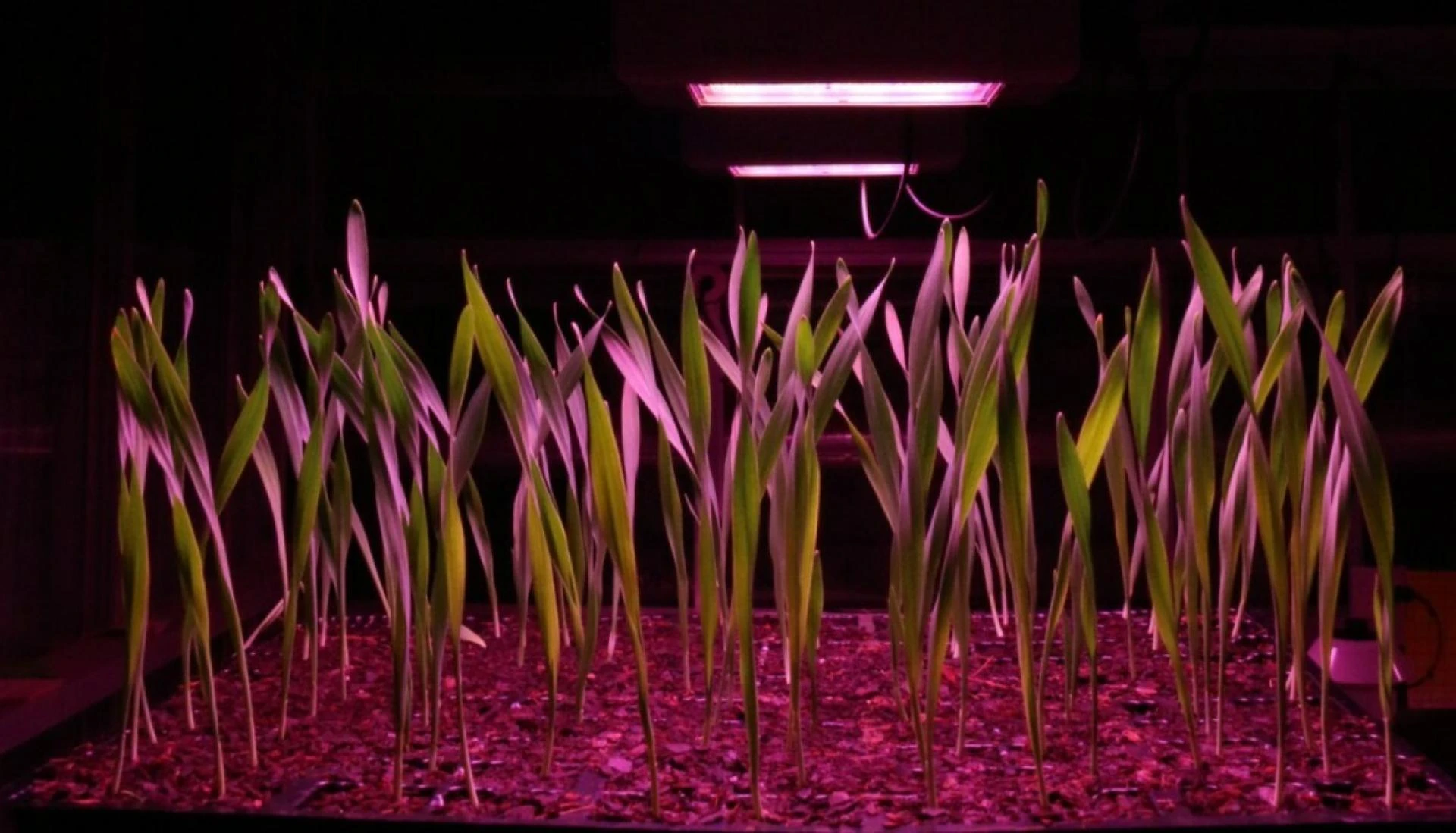
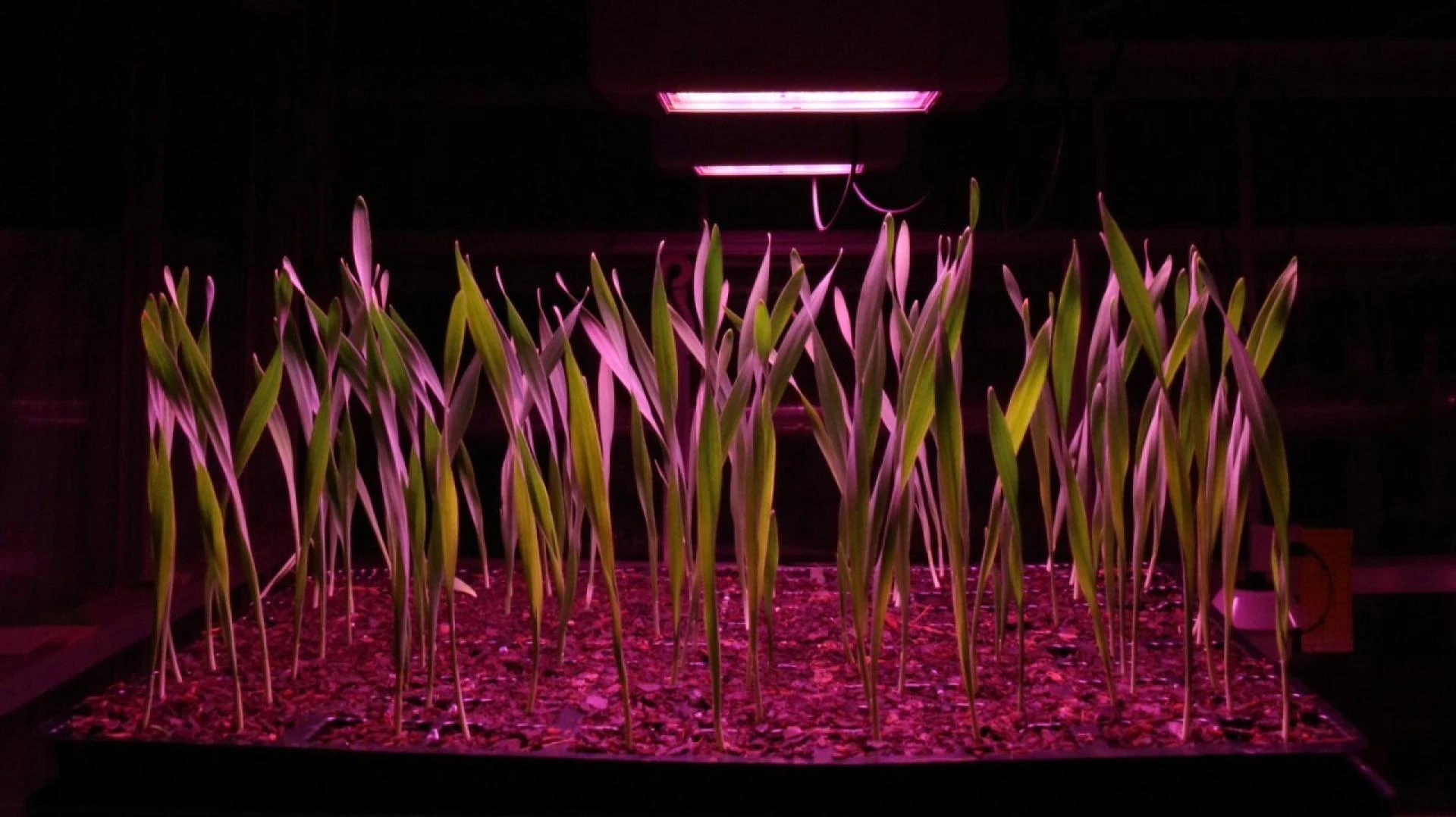
Speed breeding is a revolutionary technique that allows crops to grow and mature faster by manipulating light, temperature, and growing conditions in controlled environments. Unlike traditional field-based breeding methods that may take years to yield results, speed breeding accelerates the process, producing multiple generations in a single year.
India, a country deeply dependent on agriculture, has been actively seeking faster and more resilient ways to feed its growing population. With climate change impacting crop cycles, speed breeding in India has emerged as a timely solution. This innovation ensures rapid development of crop varieties with better yield, disease resistance, and adaptability to adverse weather.
Sheel Biotech has taken a pioneering leap in this domain by establishing state-of-the-art speed breeding facilities. These advanced labs simulate ideal growing conditions, enabling scientists and agronomists to fast-track plant development and innovation. This initiative aligns perfectly with India’s goals for food security, sustainability, and precision agriculture.
How Speed Breeding Supports Sustainable Agriculture
Sustainability is no longer a choice but a necessity in today’s agricultural landscape. By dramatically reducing the time needed to develop improved crop varieties, speed breeding in India promotes:
- Reduced resource consumption (water, fertilizers, and land)
- Lower greenhouse gas emissions
- Improved crop resilience to climate change
- Greater food security with faster results
Sheel Biotech's advanced infrastructure showcases how Indian agritech companies can combine biotechnology and environmental consciousness for the benefit of farmers and consumers alike.
Strawberry Picking Farms: From Fields to Fun-Filled Family Getaways
While speed breeding takes innovation indoors, another delightful trend is flourishing in the open countryside—strawberry picking farms.
Imagine walking through lush rows of strawberry plants, plucking ripe red berries, tasting the sweetness of nature, and taking a basket home. This immersive farming experience, once popular in Western countries, is now gaining momentum in India. These farms are not only visually charming but also offer urban dwellers a unique chance to reconnect with the soil.
Sheel Biotech, known for high-quality horticulture, has introduced its very own strawberry picking farm—a perfect blend of leisure, learning, and agriculture. Visitors are welcomed to spend time in natural surroundings, participate in harvesting, and gain awareness about how fruits are cultivated sustainably.
Why Strawberry Picking Farms Are Gaining Popularity in India
The rise in eco-tourism, organic food movements, and wellness awareness has made strawberry picking farms a weekend hotspot, especially for young families and city residents. Here's why this concept is booming:
- Hands-on Experience: Visitors get to hand-pick fresh, chemical-free strawberries straight from the plant.
- Educational Value: Children and adults alike learn about farm-to-table processes and sustainable growing methods.
- Photo-worthy Moments: With social media-loving audiences, the scenic beauty of strawberry farms makes for the perfect backdrop.
- Agri-Tourism Appeal: A fun, green escape from crowded malls and concrete jungles.
Sheel Biotech’s initiative to set up such farms has made the countryside more accessible and agricultural processes more transparent and enjoyable.
The Intersection of Technology and Experience: A New Farming Model
What makes Sheel Biotech’s approach unique is the integration of science and sensory experiences. While speed breeding ensures scientific advancement for food production, strawberry picking farms offer an emotional and educational connection to the same process.
This dual approach signifies a paradigm shift in how farming is perceived:
- Science for the Future: Speed breeding helps secure a food-rich tomorrow.
- Experience for Today: Strawberry farms help people appreciate the joy and hard work behind every bite.
Both innovations help bridge the gap between producer and consumer, technology and tradition.

Urban Consumers, Rural Growth
In a time where urban audiences are increasingly aware and concerned about where their food comes from, these innovations offer clarity and connection. Be it through cutting-edge labs or open fields, companies like Sheel Biotech are ensuring that agriculture is no longer confined to farmers—it becomes a collective experience.
This not only uplifts the economy of rural areas through agri-tourism but also empowers farmers with modern tools and diversified income streams.
Looking Ahead: The Future of Indian Farming
As global temperatures rise and demand for food continues to grow, the importance of faster crop innovation and eco-conscious farming will only increase. With its focus on both high-tech innovation and public engagement, Sheel Biotech is setting an example for a new era of Indian agriculture.
Expect to see more:
- Urban-rural collaborations
- Research-backed crop advancements
- Eco-tourism initiatives on Indian farms
- Increased awareness of sustainable practices
Conclusion: A New Agricultural Story is Being Written
From futuristic speed breeding in India to nostalgic strawberry picking farms, agriculture is being reimagined—faster, smarter, and more personal. Sheel Biotech stands as a pioneer in this change, offering hope, health, and harmony through its initiatives.
As India balances its ancient farming roots with cutting-edge innovation, one thing is certain: the future of food is not just about what we eat—but how we grow it, and how we experience it.



























Sign in to leave a comment.