
India's agriculture sector stands at the brink of a remarkable transformation. With increasing concerns over food security, climate change, and soil degradation, the conversation around climate-resilient farming is hotter than ever. As traditional crops face the wrath of rising temperatures and erratic rainfall, farmers and agripreneurs are turning to modern techniques like hydroponic greenhouses, genetic innovations like speed breeding, and even exploring unconventional crops — including a surprising one: blueberries.
Could India — a land of mangoes, bananas, and wheat — also become a hub for blueberry farming? Let’s dive into the growing revolution reshaping Indian agriculture.
The New Age of Indian Agriculture
The agriculture industry in India, historically reliant on monsoons and conventional farming, has been under pressure from all fronts. Climate variability, water scarcity, and unpredictable crop cycles are making farmers rethink age-old practices.
This shift has sparked the emergence of climate-smart agriculture, a combination of innovation, sustainability, and science. Today, forward-looking farmers are adopting techniques once considered futuristic — from hydroponic farming systems to accelerated breeding programs that create high-yielding varieties in record time.
Can Blueberries Grow in India?
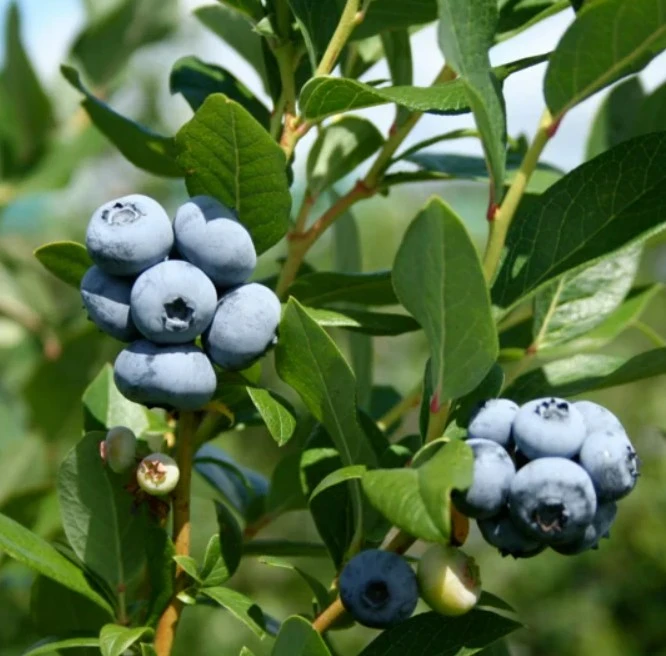
The short answer is: yes, blueberries can grow in India, and they are already being cultivated in select regions with the help of technology and environmental controls.
Blueberries, traditionally grown in temperate zones, are prized globally for their high antioxidant content, immunity-boosting properties, and commercial value. However, their success in India wasn’t always guaranteed due to temperature sensitivity and specific soil requirements.
But thanks to the rise of controlled environment agriculture, especially through hydroponic greenhouse setups, the tables are turning. These protected structures allow precise regulation of temperature, humidity, light, and nutrient delivery — recreating ideal conditions for blueberries to thrive in even semi-arid regions of India.
What was once a farmer’s dream is now a tangible reality — a high-value, export-friendly superfruit growing right here at home.
Why Farmers Are Betting Big on Hydroponics
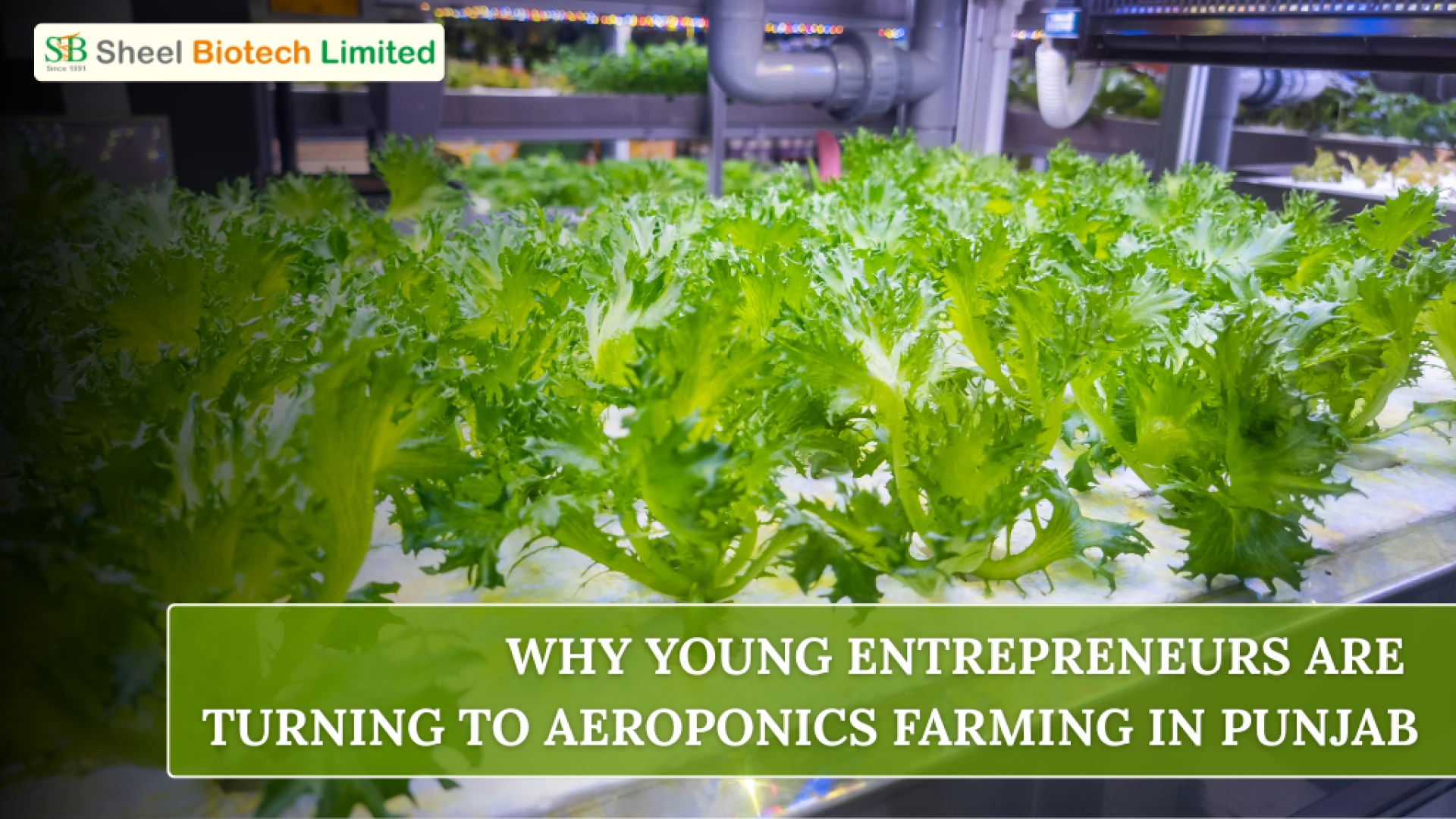
In a country battling shrinking arable land and water shortages, hydroponic greenhouses are proving to be game-changers. Unlike traditional farming, hydroponics involves growing plants without soil, using nutrient-rich water solutions. This method:
- Reduces water usage by up to 90%
- Increases yield per square foot
- Allows year-round cultivation
- Minimizes pest-related crop loss
The rising cost of land and climate unpredictability has pushed both startups and rural growers to adopt hydroponic greenhouse farming — not just for exotic crops like lettuce and herbs but increasingly for berries, tomatoes, cucumbers, and even floriculture.
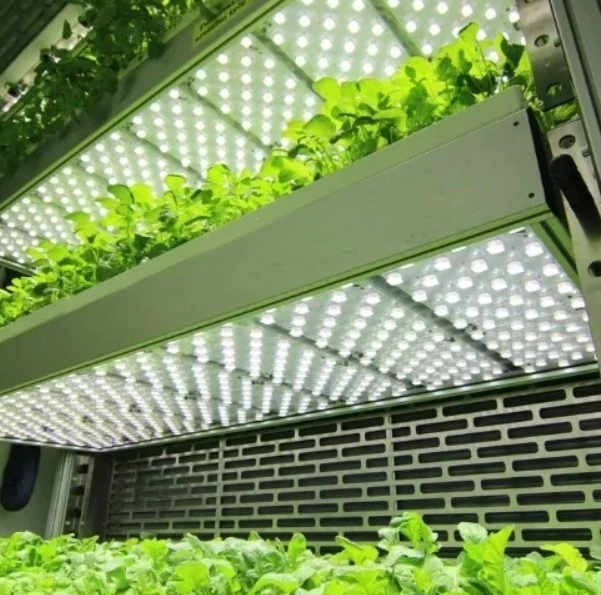
By integrating hydroponic systems with vertical farming racks, many Indian farmers are now growing more on less land — efficiently, sustainably, and profitably.
Speed Breeding in India: Agriculture's Fast Lane
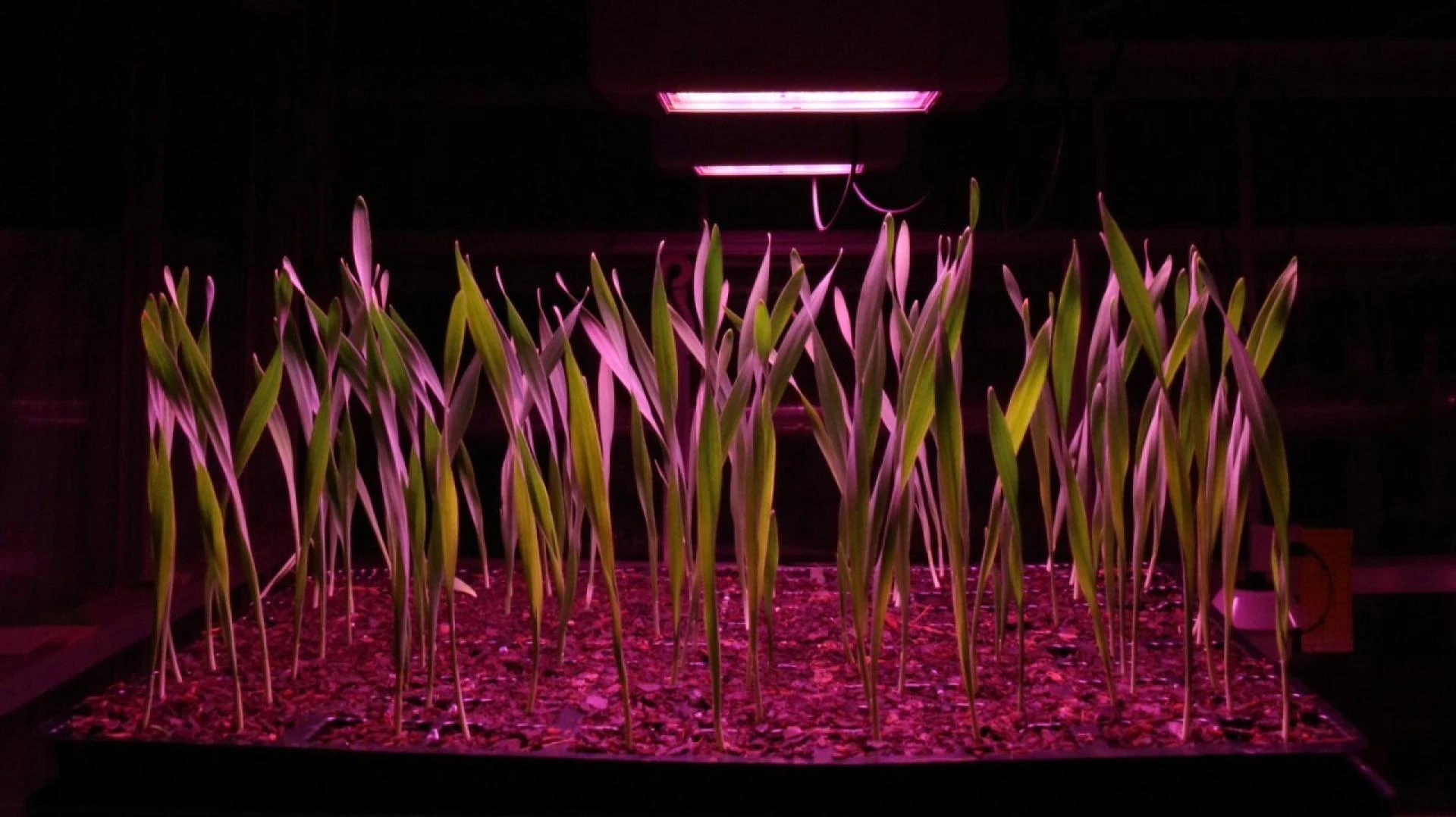
One of the most exciting developments in the agri-tech space is the rise of Speed Breeding in India. Traditionally, it could take 8 to 12 years to develop a new variety of crop — but speed breeding slashes that timeline dramatically.
This method accelerates the plant’s life cycle using controlled environments with extended light periods and optimized growing conditions. In India, research institutions and biotech firms are increasingly investing in this technique to develop climate-resilient crops faster.
Why it matters:
- Faster crop cycles help farmers adapt quickly to market and climate changes
- New varieties can be bred to resist drought, pests, and temperature spikes
- Better yields can ensure food security and improve farmer income
Whether it’s wheat, legumes, or even superfoods like quinoa, speed breeding is fast becoming the backbone of future-ready farming.
Blueberries, Hydroponics, and Speed Breeding: A Triple Threat
Imagine this: A farmer in Maharashtra grows blueberries inside a hydroponic greenhouse, supplying premium berries to urban stores while using speed-bred plant varieties that mature faster and yield better. This isn’t science fiction — it's already underway.
Blueberries in India no longer seem like a luxury experiment. With hydroponic technology ensuring optimal growing conditions and speed breeding offering quicker plant adaptation, Indian farms are slowly rewriting their own destiny.
In fact, many agritech-driven horticulture firms have already demonstrated successful blueberry harvests in regions like Himachal, Maharashtra, and parts of South India — paving the way for a full-scale commercial revolution.
Why the Market Is Hungry for Innovation
Urban consumers are becoming increasingly health-conscious and are willing to pay a premium for clean, pesticide-free produce. Superfoods like blueberries, kale, microgreens, and avocados have seen a spike in demand.
For farmers and agripreneurs, this translates into:
- Higher profit margins
- Less reliance on monsoons
- Crop diversification, reducing risk from single-crop dependency
- Export potential, especially in the Gulf and Southeast Asia
Add to this the fact that modern agriculture allows better supply chain predictability, and you have a sector that’s finally catching the attention of investors and policymakers alike.
The Road Ahead for India’s Smart Farmers
India’s next generation of farmers won't be defined by the size of their land but by the smartness of their strategy.
With government schemes supporting innovation in agriculture, private partnerships on the rise, and startups investing heavily in greenhouse automation, speed breeding labs, and hydroponics, the sector is ripe for a leap.
Institutions are now actively collaborating with research centers to develop climate-resilient varieties and deploy precision agriculture techniques.
Whether it’s a blueberry startup in Bengaluru or a speed breeding facility in Punjab working on heat-tolerant wheat, the signs are clear — Indian agriculture is getting an upgrade.
Conclusion: Farming the Future, Today
The question is no longer can blueberries grow in India — the answer is a confident yes. The real question is: are we ready to support the infrastructure, technology, and training that can turn this potential into a mainstream success?
With hydroponic greenhouses, speed breeding in India, and the undeniable spirit of Indian farmers leading the way, the future of agriculture looks not just sustainable but truly extraordinary.
It's time to reimagine Indian farming — not just as a tradition but as a technology-driven revolution.






























Sign in to leave a comment.