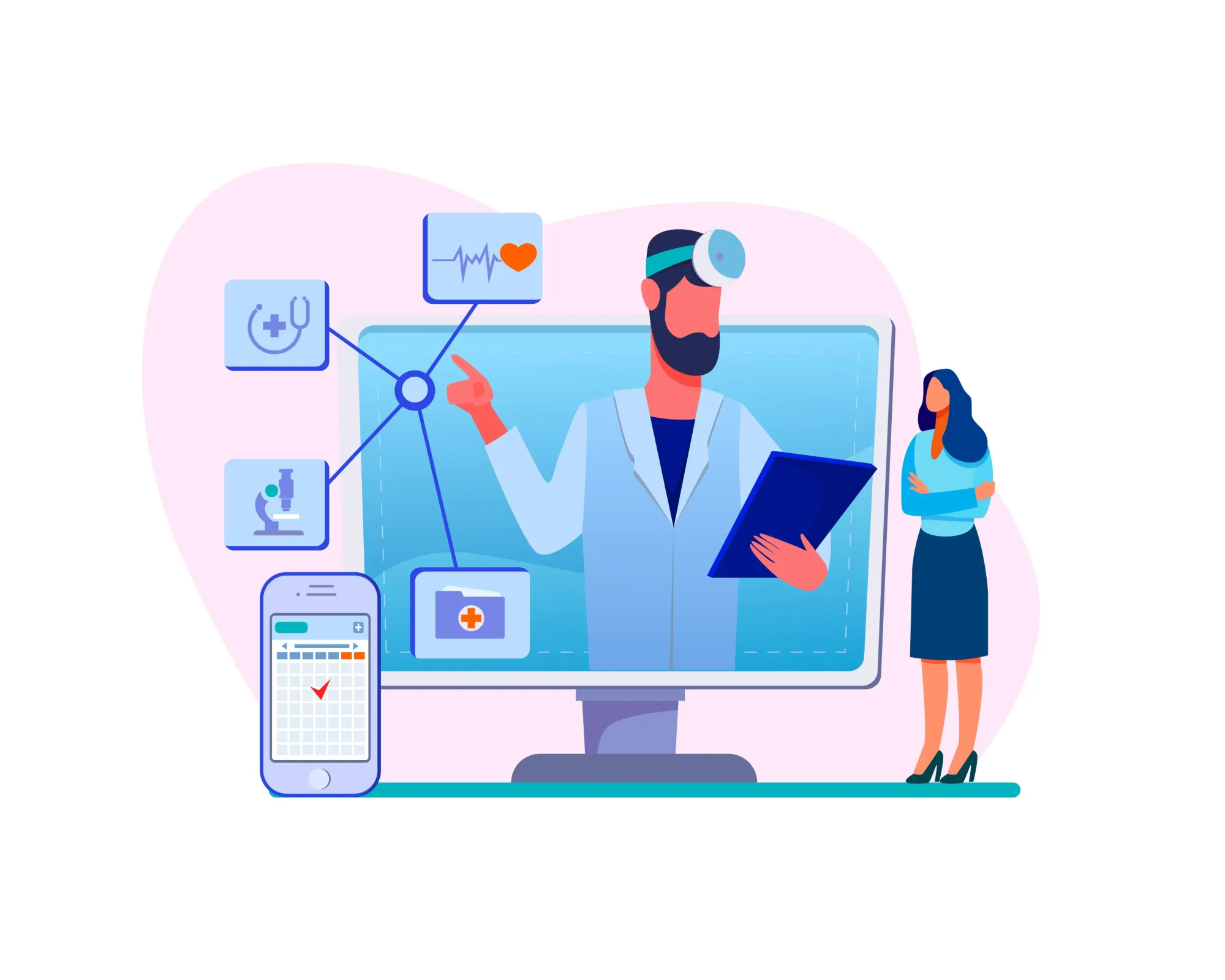

In today’s rapidly evolving healthcare landscape, digital transformation is no longer optional—it is essential. Hospitals, clinics, and healthcare providers are increasingly shifting from paper-based systems to intelligent digital platforms that streamline operations, improve patient outcomes, and ensure regulatory compliance. At the center of this transformation lies custom EMR/EHR software development services, which empower healthcare organizations to build tailored solutions that align perfectly with their clinical, operational, and business needs.
Unlike off-the-shelf systems, custom EMR (Electronic Medical Records) and EHR (Electronic Health Records) solutions are designed to address specific workflows, integrate seamlessly with existing systems, and scale with organizational growth. This article explores how custom EMR/EHR development works, its core components, benefits, challenges, and why it is becoming a strategic investment for healthcare providers.
Understanding EMR and EHR Systems
Before diving into development services, it is important to understand the difference between EMR and EHR systems.
What is EMR (Electronic Medical Records)?
EMR systems are digital versions of paper charts used within a single healthcare organization. They contain medical history, diagnoses, treatment plans, prescriptions, and test results of patients treated in that facility.
What is EHR (Electronic Health Records)?
EHR systems go beyond EMRs by enabling interoperability. They allow patient records to be shared securely across multiple healthcare providers, hospitals, labs, and pharmacies.
Key Difference
- EMR: Internal use within one organization
- EHR: Shared across multiple healthcare providers for continuity of care
Custom development services ensure both systems are tailored to meet organizational goals while maintaining compliance and scalability.
What Are Custom EMR/EHR Software Development Services?
Custom EMR/EHR software development services refer to the end-to-end process of designing, building, integrating, and maintaining healthcare record systems tailored to a specific healthcare provider’s requirements.
These services typically include:
- Requirement analysis and workflow mapping
- UI/UX design for clinicians and administrators
- Backend development and database architecture
- Integration with third-party systems (labs, pharmacies, billing, insurance)
- Compliance implementation (HIPAA, HL7, FHIR, etc.)
- Cloud deployment and scalability planning
- Ongoing support and maintenance
The goal is to create a fully customized digital health ecosystem that improves efficiency, enhances patient care, and reduces administrative burden.
Why Healthcare Providers Need Custom EMR/EHR Solutions
Many healthcare organizations initially adopt ready-made EMR/EHR systems. However, they often encounter limitations such as lack of flexibility, integration issues, and high long-term costs. This is where custom solutions become critical.
1. Tailored Workflow Optimization
Every hospital or clinic operates differently. Custom EMR/EHR systems are designed based on actual clinical workflows, ensuring minimal disruption and maximum efficiency.
2. Better Integration Capabilities
Custom systems can seamlessly integrate with:
- Laboratory Information Systems (LIS)
- Radiology Information Systems (RIS)
- Pharmacy management systems
- Billing and insurance platforms
- Wearable health devices
3. Enhanced Data Security
Healthcare data is highly sensitive. Custom solutions implement advanced security measures such as:
- End-to-end encryption
- Role-based access control
- Multi-factor authentication
- Audit trails and monitoring
4. Regulatory Compliance
Custom EMR/EHR systems are built with compliance frameworks like:
- HIPAA (Health Insurance Portability and Accountability Act)
- HL7 (Health Level Seven Standards)
- FHIR (Fast Healthcare Interoperability Resources)
- GDPR (for global healthcare providers)
5. Scalability for Future Growth
As healthcare organizations expand, custom systems can scale without requiring complete system replacement.
Core Features of Custom EMR/EHR Software
A well-developed EMR/EHR system includes a wide range of features designed to improve clinical and administrative operations.
1. Patient Management System
- Patient registration and demographics
- Medical history tracking
- Appointment scheduling
- Visit history and documentation
2. Clinical Documentation
- Digital charting
- SOAP notes (Subjective, Objective, Assessment, Plan)
- ePrescriptions
- Lab and diagnostic reports
3. Appointment Scheduling System
- Real-time availability tracking
- Automated reminders via SMS/email
- Doctor-patient scheduling coordination
4. Prescription and Medication Management
- Digital prescriptions
- Drug interaction alerts
- Medication history tracking
5. Billing and Revenue Cycle Management
- Insurance claim processing
- Automated invoicing
- Payment tracking and reporting
6. Interoperability Features
- HL7/FHIR-based data exchange
- Integration with third-party healthcare systems
- Health information exchange (HIE) support
7. Reporting and Analytics
- Patient outcome analysis
- Operational efficiency reports
- Financial performance dashboards
8. Telehealth Integration
Modern systems often include:
- Video consultations
- Remote patient monitoring
- Digital follow-ups
Technology Stack Used in Custom EMR/EHR Development
Building a robust healthcare system requires a strong and secure technology foundation.
Frontend Technologies
- React.js
- Angular
- Vue.js
Backend Technologies
- Node.js
- Python (Django / Flask)
- Java (Spring Boot)
- .NET Core
Database Systems
- PostgreSQL
- MySQL
- MongoDB (for unstructured data)
Cloud Platforms
- AWS (Amazon Web Services)
- Microsoft Azure
- Google Cloud Platform
Interoperability Standards
- HL7
- FHIR APIs
- DICOM (for medical imaging systems)
Security Tools
- OAuth 2.0 authentication
- SSL/TLS encryption
- HIPAA-compliant cloud architecture
Development Process of Custom EMR/EHR Software
A structured development process ensures reliability, compliance, and performance.
Step 1: Requirement Analysis
Understanding hospital workflows, department needs, and compliance requirements.
Step 2: System Design
Creating architecture diagrams, UI/UX designs, and data flow models.
Step 3: Development
Coding frontend, backend, APIs, and database structures.
Step 4: Integration
Connecting third-party systems like labs, pharmacies, and billing systems.
Step 5: Testing
- Functional testing
- Security testing
- Performance testing
- Compliance validation
Step 6: Deployment
Deploying the system on secure cloud infrastructure or on-premise servers.
Step 7: Maintenance and Updates
Continuous monitoring, bug fixes, and feature enhancements.
Benefits of Custom EMR/EHR Software Development Services
Investing in custom EMR/EHR software development services delivers long-term value across clinical, operational, and financial dimensions.
1. Improved Patient Care
Doctors gain instant access to accurate patient data, enabling faster and better decisions.
2. Increased Operational Efficiency
Automation reduces manual paperwork and administrative workload.
3. Reduced Medical Errors
Digital records minimize risks caused by illegible handwriting or missing information.
4. Cost Efficiency in the Long Run
Although initial investment is higher, custom solutions eliminate recurring licensing fees.
5. Data-Driven Decision Making
Analytics tools help healthcare providers identify trends and improve outcomes.
Challenges in EMR/EHR Development
While the benefits are significant, development comes with challenges:
1. High Initial Development Cost
Custom systems require investment in design, development, and testing.
2. Data Migration Complexity
Transferring legacy data into new systems can be time-consuming.
3. Interoperability Issues
Integrating multiple healthcare systems requires adherence to strict standards.
4. User Adoption
Training doctors and staff is necessary to ensure smooth adoption.
5. Regulatory Compliance Complexity
Healthcare regulations vary by region and must be carefully implemented.
Future Trends in EMR/EHR Software Development
The future of healthcare technology is driven by innovation and intelligence.
1. Artificial Intelligence Integration
AI will assist in:
- Predictive diagnostics
- Clinical decision support
- Automated documentation
2. Blockchain for Data Security
Blockchain will enhance transparency and data integrity in patient records.
3. IoT and Wearable Integration
Real-time patient monitoring through connected devices.
4. Cloud-Native Healthcare Systems
Fully scalable and remote-accessible healthcare platforms.
5. Voice-Enabled EMR Systems
Doctors will use voice commands for faster documentation.
Why Businesses Should Invest in Custom EMR/EHR Development Services
Healthcare providers that invest in custom EMR/EHR software development services gain a strategic advantage in a highly competitive industry. These solutions not only improve patient outcomes but also enhance operational efficiency, reduce costs, and ensure long-term scalability.
As healthcare continues to evolve, organizations that adopt customized digital health systems will be better positioned to deliver high-quality, patient-centric care while staying compliant and technologically advanced.
Conclusion
Custom EMR and EHR systems are transforming the healthcare industry by enabling smarter, faster, and more secure patient data management. Unlike generic software, custom-built solutions are designed to align with specific healthcare workflows, ensuring better usability, integration, and scalability.
Investing in custom EMR/EHR software development services is no longer just a technological upgrade—it is a strategic decision that directly impacts patient care quality, operational efficiency, and organizational growth.

























Sign in to leave a comment.