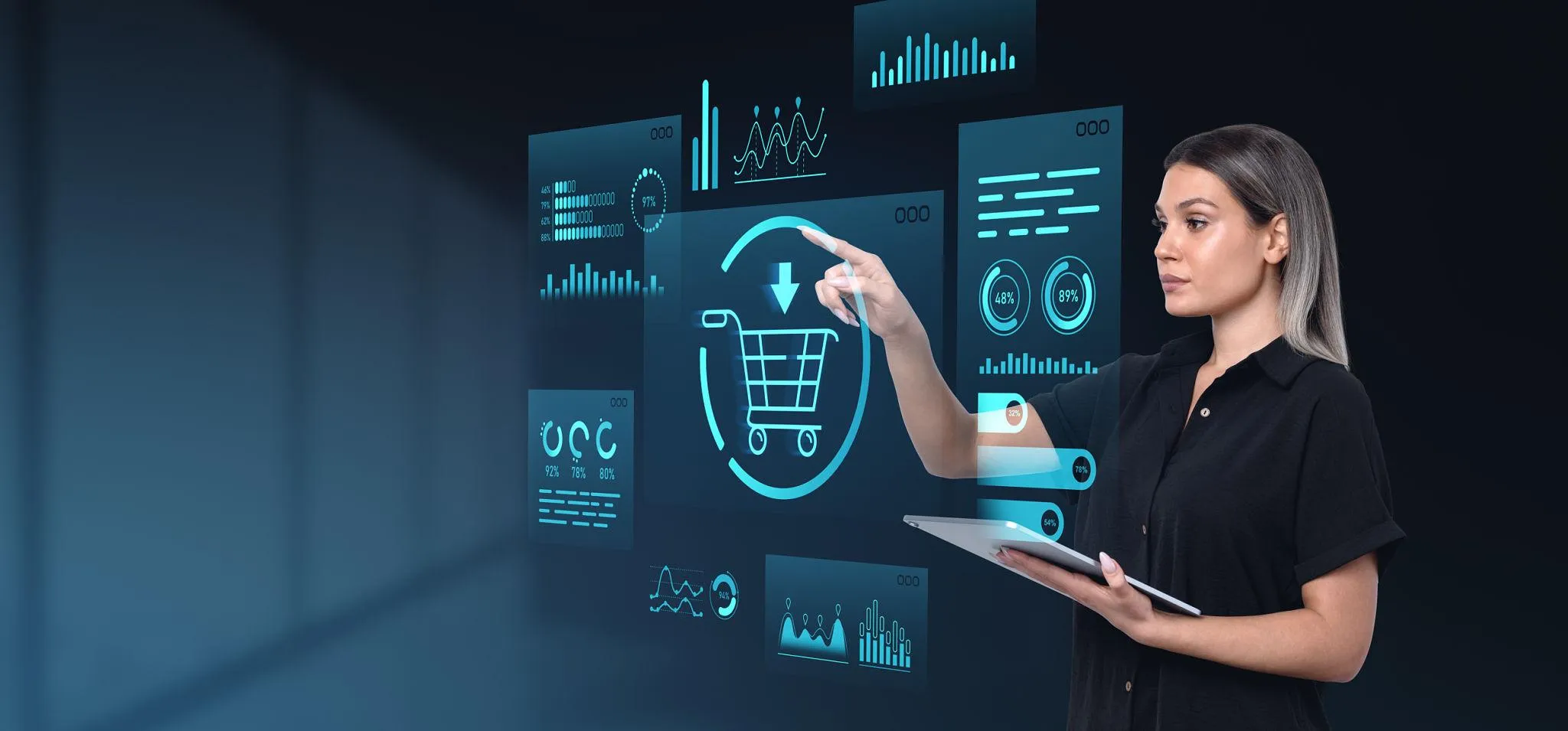

The eCommerce industry is evolving at a pace that leaves little room for outdated systems. Customers today expect lightning-fast performance, personalized experiences, and seamless interactions across devices. Traditional eCommerce platforms, built on monolithic architectures, often struggle to keep up with these expectations. This is where Custom Headless Commerce Development is gaining attention as a smarter, future ready approach.
By separating the frontend from the backend, businesses gain the flexibility to innovate without being restricted by rigid systems. As digital competition intensifies, adopting Custom Headless Commerce Development is no longer just an option it’s becoming a strategic move for brands that want to stay relevant and competitive.
Understanding Headless Commerce Development
Before deciding whether to make the switch, it’s important to understand how Headless Commerce Development works and why it is so impactful.
In a headless architecture, the frontend (customer-facing interface) is decoupled from the backend (data and business logic). These layers communicate through APIs, allowing businesses to manage content and commerce separately while delivering unified experiences.
With Headless Commerce Development, businesses can:
- Deliver content across multiple channels
- Customize user interfaces freely
- Integrate with modern tools and technologies
- Scale operations efficiently
Why Businesses Are Moving Toward Custom Headless Commerce Development
1. Flexibility to Innovate
One of the biggest advantages of Custom Headless Commerce Development is the ability to innovate without limitations. Businesses can redesign their frontend without touching the backend, enabling faster experimentation and creativity.
2. Omnichannel Experience
Modern customers interact with brands across websites, mobile apps, social media, and more. Headless architecture ensures a consistent experience across all these touchpoints.
With Headless Commerce Development, businesses can manage content centrally while delivering it across multiple channels seamlessly.
3. Faster Time-to-Market
Speed is critical in today’s competitive market. By decoupling systems, development teams can work independently on frontend and backend, accelerating the launch of new features.
4. Improved Performance
Performance directly impacts user experience and conversions. Headless commerce allows developers to optimize the frontend independently, resulting in faster load times and smoother interactions.
5. Seamless Integration
Businesses rely on various tools such as CRM systems, payment gateways, and marketing platforms. Headless architecture makes integration easier through APIs.
Signs Your Business Is Ready for the Switch
Not every business needs to adopt headless commerce immediately. However, certain signs indicate that your organization may benefit from Custom Headless Commerce Development.
1. You Need More Flexibility
If your current platform limits customization and innovation, it may be time to consider a headless approach.
2. You Want to Expand Across Channels
Businesses aiming to deliver experiences across multiple platforms can benefit from Headless Commerce Development.
3. Your Website Performance Is Lagging
Slow-loading websites can lead to high bounce rates and lost revenue. Headless architecture can improve performance significantly.
4. You’re Planning for Growth
Scalability is essential for growing businesses. Headless commerce allows systems to scale independently.
5. You Require Advanced Integrations
If your business relies heavily on third-party tools, headless commerce provides the flexibility needed for seamless integration.
Benefits of Custom Headless Commerce Development
1. Personalized Customer Experiences
With Custom Headless Commerce Development, businesses can create tailored experiences based on user behavior and preferences.
2. Enhanced Developer Experience
Developers can use modern frameworks and tools, improving productivity and innovation.
3. Future-Proof Architecture
Headless commerce allows businesses to adapt to new technologies without major disruptions.
4. Scalability and Performance
Independent scaling of frontend and backend ensures optimal performance even during peak traffic.
Challenges to Consider
While the benefits are significant, businesses should also be aware of potential challenges.
1. Initial Investment
Implementing headless commerce may require a higher upfront investment.
Solution: Focus on long-term ROI and scalability benefits.
2. Technical Complexity
Headless architecture requires skilled developers and proper planning.
Solution: Partner with experienced professionals.
3. Integration Management
Managing multiple APIs and systems can be complex.
Solution: Use reliable integration tools and best practices.
Best Practices for a Successful Transition
To make the most of Custom Headless Commerce Development, businesses should follow these best practices:
1. Define Clear Objectives
Understand your goals and what you want to achieve with headless commerce.
2. Choose the Right Technology Stack
Select tools and frameworks that align with your business needs.
3. Focus on API-First Development
Ensure seamless communication between frontend and backend systems.
4. Prioritize Security
Implement strong security measures to protect customer data.
5. Continuous Testing and Optimization
Regularly test and improve performance for better results.
Real-World Use Cases
1. eCommerce Retailers
Brands use headless commerce to deliver fast, personalized shopping experiences.
2. B2B Platforms
Complex workflows and integrations are easier to manage with headless architecture.
3. Marketplaces
Multi-vendor platforms benefit from scalability and flexibility.
4. Mobile Commerce
Headless commerce enables optimized mobile experiences.
With Headless Commerce Development, businesses can implement these use cases effectively.
Future of Headless Commerce
The future of eCommerce is moving toward flexible and scalable architectures. As technologies like AI, AR/VR, and IoT continue to evolve, headless commerce will play a crucial role in enabling innovation.
Businesses investing in Custom Headless Commerce Development today will be better positioned to adapt to these changes and stay ahead of competitors.
Conclusion
The shift toward headless commerce is not just a trend it’s a strategic evolution in how businesses approach digital commerce. By adopting Custom Headless Commerce Development, organizations can achieve greater flexibility, improved performance, and enhanced customer experiences.
Through effective Headless Commerce Development, businesses can build future-ready platforms that support growth and innovation. If your current system is limiting your potential, it may be time to consider making the switch.
In a digital world where speed, personalization, and adaptability define success, headless commerce offers the foundation businesses need to thrive.























Sign in to leave a comment.