
The digital landscape of the United States is undergoing a seismic shift as we move deeper into 2026. For businesses ranging from Silicon Valley startups to established Fortune 500 enterprises, the reliance on off-the-shelf software is rapidly diminishing. The demand for tailored, high-performance digital tools has never been higher, driven by a market that rewards speed, personalization, and impenetrable security.
In this era, custom web application development is no longer just about writing code; it is about engineering business resilience. As organizations strive to digitize their operations and offer unique value propositions, understanding the nuances of the US market—its specific regulatory requirements, user expectations, and technological standards—is critical. This guide explores the prevailing trends, financial considerations, and strategic best practices that define the current state of custom development in the USA.
The Evolution of Web Technology: 2026 Trends
To remain competitive, stakeholders must look beyond the basic functionality of their software and consider how emerging technologies can be woven into the fabric of their digital products. The static websites of the past have evolved into dynamic ecosystems that interact intelligently with users.
1. AI-First Development and Agentic Workflows
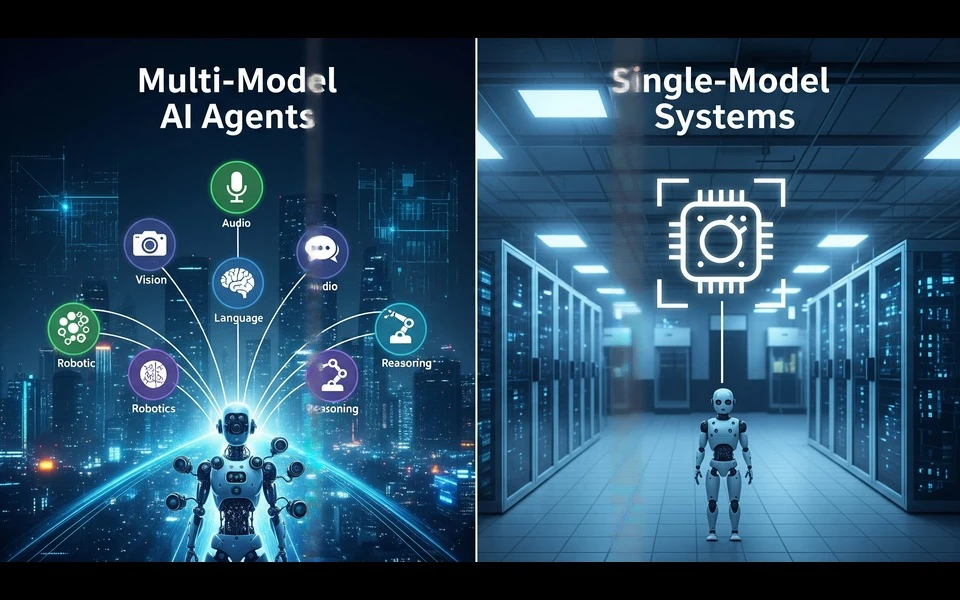
By 2026, Artificial Intelligence (AI) has moved beyond simple chatbots. We are now seeing "AI-First" development where machine learning models are integrated into the core logic of the application. Web apps now feature autonomous agents capable of performing complex multi-step tasks on behalf of the user—such as negotiating scheduling conflicts, automating financial reconciliations, or generating dynamic content in real-time. This shift means that modern web architectures must be built to handle heavy computational loads and API-driven AI services.
2. The Dominance of Progressive Web Apps (PWAs)
The line between mobile apps and web apps has effectively blurred. Progressive Web Apps (PWAs) have become the gold standard for custom development. They offer the reach of the web with the capabilities of a native mobile app, including offline functionality, push notifications, and access to device hardware. For US businesses, this is a strategic advantage; it eliminates the need to maintain separate codebases for iOS, Android, and Web, significantly reducing long-term maintenance costs while maximizing audience reach.
3. Edge Computing and 5G/6G Readiness
With the US infrastructure now heavily supported by 5G and early 6G networks, users expect zero latency. Modern applications are moving logic away from centralized servers and closer to the user via Edge Computing. This ensures that data-heavy applications, such as those used in telemedicine or real-time financial trading, perform instantly regardless of the user's physical location.
4. Innovation and Ideation
The success of any project in this competitive environment hinges on the initial concept. Before a single line of code is written, businesses are investing heavily in the validation of their web app ideas. In 2026, the ideation phase uses predictive analytics to test market viability, ensuring that the proposed application solves a genuine problem before significant capital is deployed.
The Financial Landscape: Cost of Development in the USA
One of the most common questions for stakeholders is the cost associated with building custom software. In the US market, prices can vary drastically based on complexity, compliance requirements, and the pedigree of the development team.
Understanding the Tiers
- Basic Applications ($40,000 – $80,000): These are typically Minimum Viable Products (MVPs) or internal tools with standard features like user authentication, simple dashboards, and basic database management.
- Mid-Level Complexity ($80,000 – $150,000): This tier includes consumer-facing apps with third-party integrations (payment gateways, CRMs), interactive UI/UX, and moderate scalability requirements.
- Enterprise-Grade ($150,000 – $500,000+): These are complex systems requiring high-level security (HIPAA, SOC2 compliance), AI integration, microservices architecture, and the ability to handle millions of concurrent users.
The Human Capital Variable
The hourly rate for developers in the USA typically ranges from $100 to $250 per hour. While this is higher than offshore alternatives, the premium pays for time-zone alignment, cultural understanding of US consumer behavior, and strict adherence to legal standards. However, choosing the right partner is not just about comparing hourly rates.
A reputable web app development company will offer transparent pricing models—whether fixed-price for well-defined scopes or time-and-materials for agile projects—and will provide a detailed breakdown of how costs are allocated across design, engineering, QA, and project management. This transparency is vital for preventing "scope creep," a common issue where unplanned features inflate the budget mid-project.
Strategic Execution: How to Build for Success
Building a custom web app is a complex orchestration of design, logic, and infrastructure. Success rarely happens by accident; it is the result of a rigorous, structured process.
1. The Discovery Phase
The most critical phase is Discovery. This involves deep-dive workshops where business goals are translated into technical requirements. It is here that the architecture is planned—choosing between monolithic structures for simplicity or microservices for scalability. In 2026, detailed technical documentation and wireframing are non-negotiable prerequisites.
2. Agile Engineering
Modern development relies on Agile methodologies. Instead of delivering a massive software package after a year of silence, developers work in two-week "sprints." This allows stakeholders to review progress regularly and pivot if market conditions change. This iterative approach reduces risk and ensures that the final product aligns perfectly with business needs.
3. The Build Process
When teams set out to build web applications, they must prioritize clean, modular code. In 2026, this means utilizing modern frameworks like React, Vue.js, or Angular for the frontend, coupled with robust backend technologies like Node.js, Python, or Go. The integration of "DevSecOps" ensures that security is not an afterthought but is baked into the continuous integration/continuous deployment (CI/CD) pipeline. Automated testing runs constantly to catch bugs before they reach the production environment.
Best Practices for 2026 and Beyond
To ensure longevity and Return on Investment (ROI), businesses must adhere to a set of best practices that govern not just the build, but the lifecycle of the application.
Security by Design
With cyber threats becoming more sophisticated, security cannot be a plugin. It must be architectural. This includes implementing Zero Trust architectures where no user or service is trusted by default. For US healthcare and finance sectors, compliance with regulations like HIPAA, GDPR, and CCPA is mandatory. Encryption at rest and in transit, multi-factor authentication (MFA), and regular penetration testing are standard expectations.
Scalability and Cloud-Native Architecture
An app that works for 100 users must also work for 100,000. Cloud-native development (using AWS, Azure, or Google Cloud) allows applications to auto-scale resources based on traffic demand. This "serverless" approach means businesses only pay for the computing power they use, optimizing operational costs while ensuring high availability during peak traffic spikes.
Accessibility and Inclusivity
Legal requirements in the US, such as the Americans with Disabilities Act (ADA), increasingly apply to the digital realm. Ensuring your web app is WCAG 2.2 compliant is not just a legal safeguard; it expands your market reach. This involves supporting screen readers, ensuring high contrast ratios, and providing keyboard navigation options.
Conclusion: Partnering for the Future
As we look toward the future of the digital economy, the distinction between a "good" web app and a "market-leading" one lies in the execution. The technology is available, but the strategy is what defines success. Whether you are automating internal workflows or launching a disruptive consumer platform, the goal is to create a seamless, intuitive, and secure digital environment.
By understanding the trends of 2026, budgeting realistically, and adhering to strict engineering standards, US businesses can deploy web app development solutions that are not only robust and scalable but also capable of driving genuine growth. The journey from concept to code is challenging, but with the right roadmap, it is the most powerful investment a modern business can make.




























Sign in to leave a comment.