
Web 2.0 platforms are changing, and your SEO strategy needs to adapt as well. The search engine landscape of 2025 is sophisticated, exacting, and focused on content quality and contextual authority. It is no longer possible to spam low-quality links in the hopes of obtaining high search engine rankings.
Instead, modern marketers are carefully using Web 2.0 channels for backlinking. However, what is effective today? Let's examine the most recent strategies that enable Web 2.0 backlinks to produce real rankings.
Why Is Web 2.0 Still Effective for SEO in 2025?
Even with algorithm changes and AI-based indexing, Web 2.0 sites are still incredibly effective for SEO. Why?
- Domain Authority: WordPress.com and Medium still possess great authority.
- User-Generated Content: You determine the story and links.
- Branding Opportunities: Ideal for reputation management and SERP control.
Used properly, Web 2.0 backlink platforms still provide a solid way to acquire authority, visibility, and link diversity—essential building blocks of any white-hat SEO program.
How Do You Select the Proper Web 2.0 Sites in 2025?
Not all Web 2.0 platforms are created equal. Those that perform best today provide:
- Customization – Can you insert HTML elements, anchor text, and images?
- Indexability – Is your content indexed easily by Google?
- DoFollow Links – Do the sites permit DoFollow or at least a good balance?
- Engagement Potential – Can people comment, share, or follow?
Below are a few of the best Web 2.0 sites for backlinking in 2025:
- WordPress.com
- Medium
- Blogger
- Weebly
- Tumblr
- Jimdo
- Wix
- Strikingly
Select sites that are relevant to your niche, permit frequent updates, and provide control over SEO features such as meta tags and permalinks.
What Advanced Interlinking Techniques Do You Need to Employ?
Interlink Web 2.0 blogs boost SEO ranking and disperse link juice intelligently.
2025 best practices are:
- Thematic Clustering: Interlink related posts under one keyword cluster.
- Hub and Spoke Model: Make one master article and interlink 3–5 supporting articles to it.
- Cross-Platform Interlinking: Link from posts on multiple Web 2.0 blogs for a natural linking profile.
Example:
A Medium article links to your Blogger article, which links back to your primary website.
Then, your Blogger article links to a second WordPress.com article.
This creates a content ecosystem that is natural-looking to search engines and pushes authority across the network.
Should You Use AI to Create Web 2.0 Content in 2025?
Short answer: Yes, but with human supervision.
Artificial intelligence tools have improved considerably in producing readable and contextual content. Still, for Web 2.0 sites for backlinking, you require:
- Originality: Shun copy content.
- Personalization: Include genuine opinions or case studies.
- Natural Flow: Have the anchor text fit naturally.
Use AI to generate content, then edit by hand to inject brand voice, distinct knowledge, and internal linking. Google's algorithms in 2025 can detect templated content more readily than ever.
How Do You Increase the Authority of Your Web 2.0 Backlinks?
To make your Web 2.0 backlinks stronger:
- Make Tier 2 Links: Send backlinks to your Web 2.0 blogs via social bookmarks, forum posts, or blog comments.
- Get Indexed: Use tools like IndexMeNow or submit URLs to Google Search Console.
- Embed Media: Add YouTube videos, infographics, or Slideshows to improve engagement.
- Promote Content: Share on Quora, Reddit, and niche communities to drive real traffic.
The more active and relevant your Web 2.0 site appears, the more link equity it passes to your main domain.
Is Anchor Text Optimization Still Relevant in 2025?
Yes, but it's more nuanced than ever.
Over-optimized anchor text is a warning sign. Google now considers how naturally the anchor reads in context.
Implement a varied anchor strategy:
- Branded Anchors: e.g., "See our services at XYZTECH."
- Long-Tail Anchors: e.g., "improve local SEO with Web 2.0"
- Generic Anchors: e.g., "Click here", "Find out more"
Naked URLs: e.g., "www.yoursite.com"
Your Web 2.0 posts must contain no more than one or two contextual links per 500–600 words. This remains organic and algorithm-friendly.
What Is the Ideal Posting Frequency for Web 2.0 Sites?
Google favors consistency. Posting once and then leaving the site decreases trust and authority.
Instead, implement the following sustainable publishing routine:
- Month 1: Publish 3–5 original posts per Web 2.0 site.
- Months 2–3: Post weekly or bi-weekly to ensure the blog remains active.
- Quarterly: Refresh older posts and include internal links to newer content.
New content on Web 2.0 sites for backlinking boosts crawl rate and enhances the authority of every outbound link.
Are There New Web 2.0 SEO Tools in 2025?
Yes, SEO tools are now more sophisticated and assist in monitoring your Web 2.0 tactics.
Below are some recommended ones:
- Surfer SEO: Optimize Web 2.0 content for on-page SEO.
- Link Whisper: Recommends internal links for WordPress Web 2.0 blogs.
- WriterZen: Build topic clusters for topical link building.
- IndexMeNow: Accelerate indexing of new content.
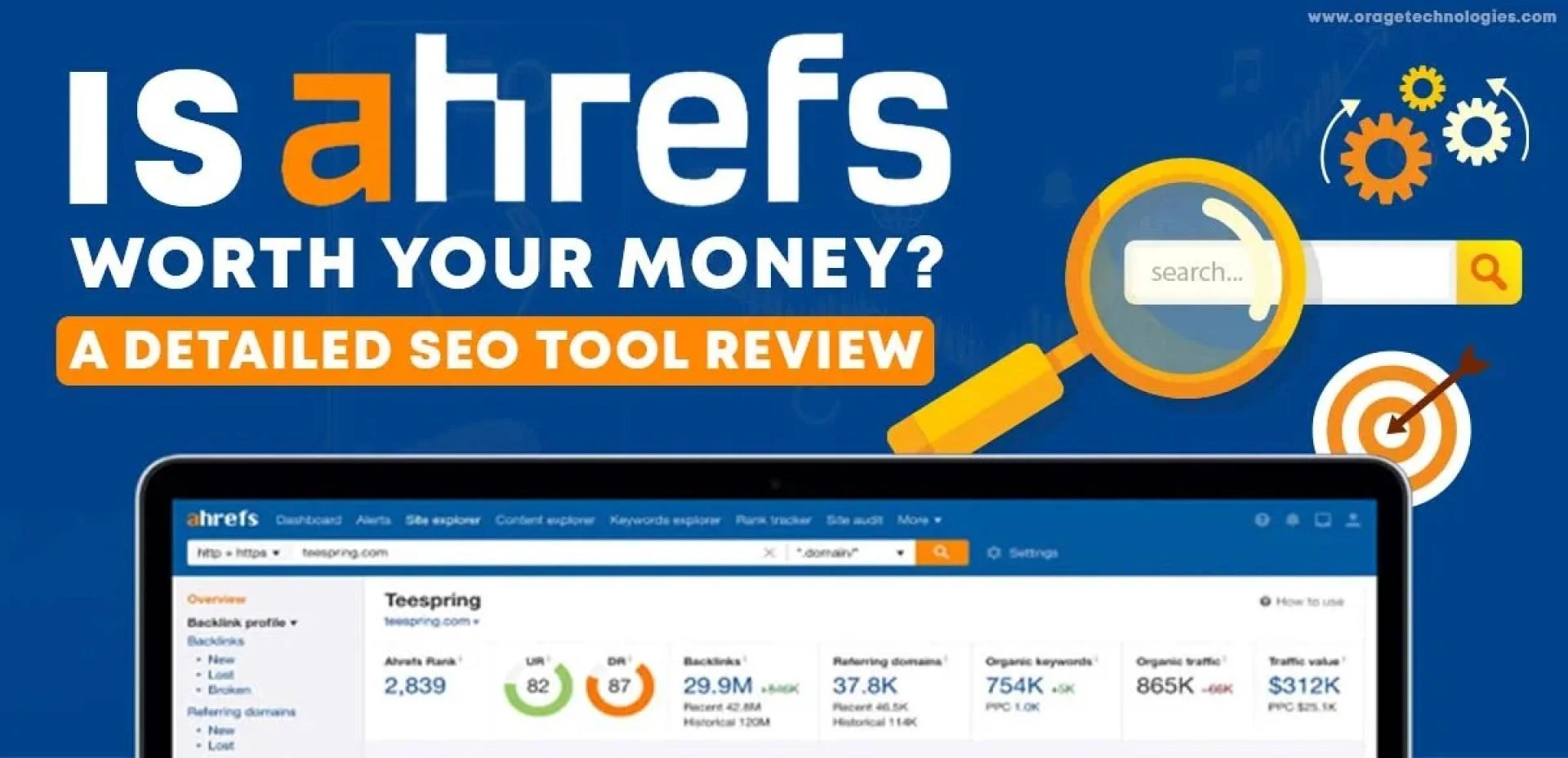
- Ahrefs & SEMrush: Track backlinks, DA, and link gain from Web 2.0s.
Use these tools to make sure your backlinks aren't just created, but effective.
FAQs About Advanced Web 2.0 SEO in 2025
Q: Are Google penalties still relevant for Web 2.0 spam?
A: Yes. Spammy, low-quality Web 2.0 posts can lead to algorithmic or manual penalties. Keep to white-hat methods.
Q: Do I use the same Web 2.0 platforms for all niches?
A: No. Tailor the strategy according to the niche. For technology, Medium is excellent. For local SEO, Blogger or WordPress is preferable.
Q: Can I make money from my Web 2.0 blogs?
A: Yes. A few do add affiliate links or AdSense, but if the prime motive is SEO, keep monetization secondary.
Q: How many Web 2.0 properties do I need to have?
A: Begin with 5–7 quality properties. Care about quality and consistency before you go big.
Final Thoughts
When used strategically, Web 2.0 backlinking systems continue to be effective even as SEO continues to evolve. Quality against quantity, relevance versus randomness, and organic link systems versus forced groupings are the keys to success in 2025.
You can achieve competitive SERP success without jeopardizing Google compliance by utilizing these advanced Web 2.0 strategies: interlinking, anchor variety, tiered linking, content marketing, and AI support.
Now is the moment to hone your Web 2.0 skills and make them the foundation of your SEO strategy going forward.



























Sign in to leave a comment.