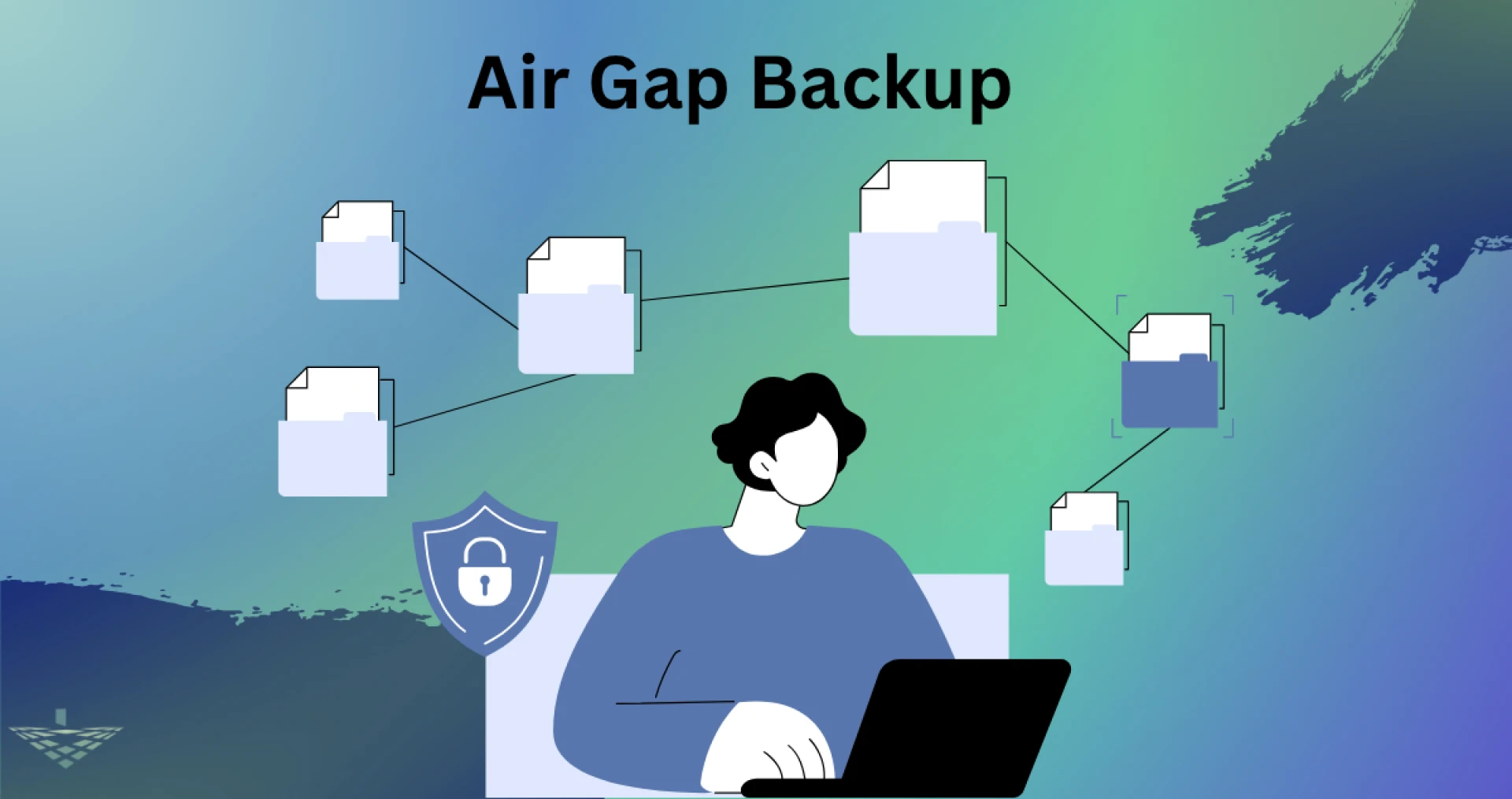

Cyberattacks and Ransomware: Protecting Your Business with Air Gap Backup
In today’s digital age, one of the most alarming threats businesses face is ransomware. Hackers exploit vulnerabilities, lock or encrypt company data, and then demand payment to release it. Without a proper defense plan, organizations risk losing critical files, customer data, and even their reputation. This is where Air Gap Backup comes in—a proven method that isolates backup data from the main network, ensuring that even if attackers infiltrate, they cannot touch your recovery files.
Let’s explore how cyberattacks and ransomware unfold, the devastating consequences of being unprepared, and how businesses can use backup strategies to avoid financial loss and operational downtime.
Understanding the Threat of Cyberattacks
Cyberattacks are no longer just random digital pranks. They are calculated, organized, and often financially motivated. Ransomware, in particular, has emerged as a dominant weapon in the arsenal of cybercriminals.
What is Ransomware?
Ransomware is a type of malware that encrypts a company’s data, locking files and systems until a ransom is paid. The attacker promises to provide the decryption key once payment—usually in cryptocurrency—is made.
Unfortunately, paying the ransom doesn’t guarantee recovery. Many businesses who pay never receive their data back, while others face repeated attacks because they’ve been marked as “willing to pay.”
How Ransomware Infects Businesses
Attackers typically gain access through phishing emails, malicious downloads, or exploiting system vulnerabilities. Once inside, the ransomware spreads quietly across the network, encrypting files until an entire system is paralyzed.
Common entry points include:
- Employees clicking on malicious email attachments
- Weak or reused passwords
- Unpatched software vulnerabilities
- Remote desktop protocol (RDP) exploits
The Real Cost of Ransomware Attacks
Businesses often underestimate the financial and operational impact of ransomware. Beyond the ransom payment itself, organizations face downtime, recovery costs, and reputational damage.
Financial Losses
- Ransom Demands: Payments can range from thousands to millions of dollars.
- Operational Downtime: Without access to data, businesses may halt operations for days or weeks.
- Recovery Costs: Even with ransom payment, companies often require IT specialists to rebuild systems.
Reputational Damage
Clients and customers lose trust when a company mishandles sensitive data. In industries like healthcare, finance, or retail, reputational harm can be worse than financial loss.
Legal and Compliance Issues
Regulations often require businesses to secure customer information. A breach may result in lawsuits, penalties, or compliance violations.
Why Backups Are Critical
One of the simplest yet most effective defenses against ransomware is a robust backup strategy. Backups ensure that if hackers encrypt your live data, you can restore it without giving in to their demands.
Benefits of Backups Against Ransomware
- Quick Recovery: Restore systems in hours instead of paying ransom.
- Business Continuity: Keep operations running without major disruption.
- Data Protection: Preserve sensitive customer and company information.
But not all backups are created equal. Some ransomware strains now attempt to target and encrypt backups stored within the same network. This is why businesses need advanced solutions like Air Gap Backup.
Air Gap Backup: A Shield Against Cybercriminals
So, what makes Air Gap Backup different? It separates backup data from the main network, ensuring that cybercriminals cannot access or tamper with it—even if they compromise the primary systems.
How Air Gap Backup Works
- Isolation: Backup data is stored offline or on systems completely disconnected from the production network.
- Controlled Access: Only authorized personnel can connect to and manage these backups.
- Immutable Storage: Data can be stored in a way that prevents alteration, ensuring ransomware cannot encrypt or delete it.
Advantages of Air Gap Backup
- Resiliency: Even if hackers breach the main environment, isolated backups remain secure.
- Faster Recovery: Businesses can restore systems quickly without negotiating with criminals.
- Peace of Mind: Knowing you have untouchable backups reduces the fear of ransomware threats.
By deploying Air Gap Backup, businesses can maintain control over their data and avoid falling victim to extortion.
Building a Strong Backup Strategy
Simply having backups isn’t enough—you need a well-structured plan. Here are some critical steps to strengthen your defense:
Diversify Backup Locations
Use multiple storage methods, including on-premises, cloud, and offline backups, for redundancy.
Test Backup Restores Regularly
A backup is only as good as its ability to be restored. Run simulations to ensure your recovery process works efficiently.
Automate Backup Processes
Automation reduces the risk of human error and ensures regular, up-to-date backups.
Monitor and Update Systems
Keep backup environments patched, secure, and regularly monitored to prevent unauthorized access.
The Future of Cybersecurity and Backup
As ransomware evolves, so must defense strategies. Businesses can no longer rely on traditional security tools alone. Preventive measures like firewalls and antivirus are essential but not foolproof. The ability to restore systems quickly and independently is now a necessity.
Air Gap Backup offers this independence—ensuring businesses have a final layer of defense when everything else fails.
Conclusion
Ransomware attacks are on the rise, leaving countless businesses paralyzed and desperate. Paying the ransom only fuels more attacks and does not guarantee data recovery. The most effective countermeasure is preparation—building a strong backup system that hackers cannot touch.
Air Gap Backup provides exactly that: a shield of isolation that ensures your data remains safe, recoverable, and beyond the reach of cybercriminals. By investing in advanced backup strategies today, businesses can face tomorrow’s cyber threats with confidence.
FAQs
1. Why is Air Gap Backup more secure than traditional backups?
Air Gap Backup isolates backup data from the primary network, making it inaccessible to ransomware that infiltrates your systems. Traditional backups stored online or within the same environment are vulnerable to being encrypted alongside primary data.
2. How often should businesses test their backups?
Ideally, backups should be tested quarterly or after significant system changes. Regular testing ensures that restoration processes are reliable and efficient when needed most.
3. Can small businesses benefit from Air Gap Backup?
Yes. Ransomware doesn’t discriminate based on company size. Small businesses are often prime targets because they have fewer cybersecurity defenses. Air Gap Backup provides a crucial safety net for organizations of all sizes.
4. Does Air Gap Backup replace other cybersecurity tools?
No. It complements them. While it protects backup data, businesses still need firewalls, antivirus, intrusion detection, and employee training to prevent initial infections.
5. What industries benefit most from Air Gap Backup?
Any industry dealing with sensitive or high-value data—such as healthcare, finance, government, and manufacturing—benefits significantly. However, every business that relies on digital information can gain from Air Gap Backup.

























Sign in to leave a comment.