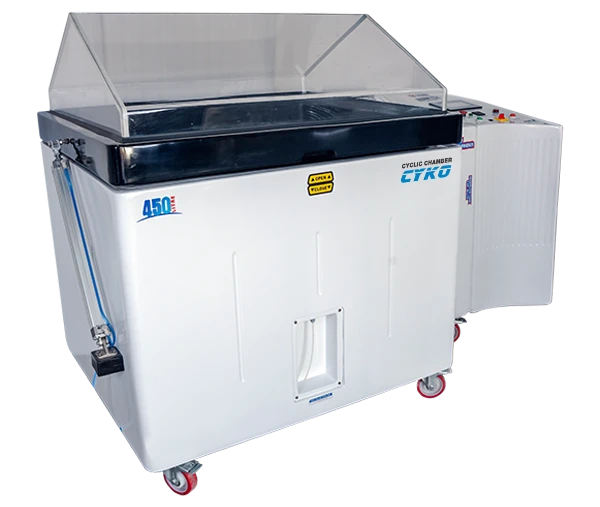

In today's global market, where industries strive for innovation and excellence, ensuring the durability and reliability of products under extreme conditions is paramount. One of the most critical factors in evaluating material longevity is corrosion resistance. As materials used in manufacturing and construction are exposed to various environmental factors, it is crucial to test how they hold up over time, especially when faced with fluctuating weather conditions. That's where a Cyclic Corrosion Test Chamber proves to be invaluable.
What is a Cyclic Corrosion Test Chamber?
A Cyclic Corrosion Test Chamber is an advanced laboratory instrument, designed to simulate the environmental stresses that materials, coatings, and components face in exposure to natural conditions. This chamber not only replicates the effects of salt spray but also the cyclic changes in humidity, temperature, and dry conditions, making it ideal for testing corrosion resistance in a wide variety of industries. The cyclic process in the chamber mimics real-world weather patterns, providing a more realistic and accelerated simulation of material degradation.
How Does a Cyclic Corrosion Test Chamber Work?
Cyclic corrosion testing is a series of phases where different environmental conditions are applied to the specimen. The process includes cycles of salt spray, temperature variations, and humidity exposure. Here's an overview of how the test chamber works:
Salt Spray Exposure: This involves the spraying of a saline solution (usually a combination of salt in water) into the test chamber to mimic corrosiveness caused by seawater or de-icing chemicals utilized on roads during the winters. Salt spray continuously subjects the test specimens which comprise of metals, coatings or plastics for a protracted period.
Temperature Cycling: After the salt spray phase, the temperature is cycled to simulate hot and cold weather cycles. The cyclic change between hot and cold temperatures accelerates the corrosion process. Materials are exposed to thermal expansion and contraction, mimicking the environmental temperature changes that materials experience during seasonal transitions or geographical location changes.
Humidity Exposure: The chamber goes through the different high humidity cycles to mimic conditions involving moist environments. High moisture creates a corrosive environment similar to those conditions experienced in coastal regions or rainstorms and in industrial environments with high humidity.
Drying Phase: In some chambers, there is a drying phase after the humidity cycle to simulate periods of dryness. The combination of wet and dry conditions tests the material's ability to resist corrosion during alternating wetness and dryness, which is typical of outdoor exposure.
This testing is cyclic and aims to expose the material to alternating stressful conditions more rapidly and under controlled conditions than would naturally occur in the environment. By accelerating these processes, manufacturers can see how a material or coating will perform over a much shorter period.
Advantages of Utilizing a Cyclic Corrosion Test Chamber
1. Realistic Simulation of Environmental Conditions
One of the primary advantages of cyclic corrosion test chambers is that it can accurately reproduce natural conditions in a controlled environment. It exposes materials and coatings to different environmental conditions such as salt, temperature fluctuations, humidity, and dryness, mimicking the actual corrosion process but in a controlled and accelerated way. In this manner, the material's long-term durability can be evaluated in a short period as compared to traditional outdoor testing.
2. Accelerated Testing
Outdoor exposure to environmental conditions may take years to show significant corrosion effects. In contrast, the cyclic nature of this test accelerates the corrosion process, allowing manufacturers to assess product performance in a matter of weeks or months. This is particularly valuable in industries where product reliability and safety are critical, such as automotive, aerospace, and construction.
3. Comprehensive Data Collection
The testing of the chamber provides full information related to the resistance of a material to corrosion. Manufacturers can look for weaknesses or flaws in coating or materials before they are tested under real conditions by varying salt exposure, temperature range, and humidity. Therefore, this data optimizes the design of materials as well as enhances the product quality.
4. Economical and Time-Saving
The cyclic corrosion test chamber simulates years of environmental exposure in a short testing period, making it a very cost-effective and time-effective solution for manufacturers. Traditionally, outdoor corrosion tests are slow, expensive, and subject to uncontrolled environmental factors. The cyclic corrosion test chamber provides a repeatable controlled environment that, every time, yields accurate results.
5. Improves Product Development
The insights gained from cyclic corrosion testing help improve product designs by identifying vulnerabilities early in the development process. Whether it’s a coating that needs better adhesion or a material that requires enhanced corrosion resistance, these insights allow engineers and designers to refine their products before market release, ensuring they perform optimally under real-world conditions.
6. Meets Industry Standards
Many industries have very strict requirements for corrosion resistance, especially the automotive, marine, and aerospace sectors. The cyclic corrosion test chamber enables manufacturers to adhere to industry standards by being reliable, repeatable, and standardized testing methods that ensure that the products would meet corrosion resistance regulations that increase their possibilities of succeeding in the certification tests as well as acceptance in the market.
Applications of Cyclic Corrosion Test Chambers
Cyclic corrosion test chambers are a widespread phenomenon used across many industries to check the suitability of materials and coatings. Examples include:
Automotive Industries: To test resistance toward vehicle parts and coatings at exposure to salt, hot or cold temperatures, or humid conditions so that external parts of the car - including body panels, undercarriages, and trim-last long.
Aerospace: To assess materials used in aircraft, where corrosion may be critical to safety and performance, especially in parts exposed to high-altitude conditions.
Construction: For testing building materials, coatings, and finishes used in outdoor environments, such as bridges, pipes, and structural components exposed to weathering.
Marine: To test components in marine environments, where saltwater and humidity can cause rapid deterioration.
Conclusion
The Cyclic Corrosion Test Chamber is a significant testing instrument in the field of material evaluation, where manufacturers can assess the durability of their product over an extended period within a controlled and accelerated setup that closely mimics actual environmental conditions. In such a manner, businesses may enhance their product design, thereby ensuring its quality and the ability to meet the industry requirements. It has helped in preventing premature failures, improving customer satisfaction, and decreasing the cost of material degradation in real-world environments. In all sectors such as automotive, aerospace, and construction, cyclic corrosion testing plays a crucial role in producing long-lasting, high-performance products.
Email :- [email protected]
Call Now: +919210903903



























Sign in to leave a comment.