

Getting a smooth, glowing complexion is something a lot of people want, but somehow hyperpigmentation acts like it never really leaves. You try everything, and still the spots come back again and again, no matter what routine you follow. You spend time on the basics, you stick with your regimen, you work to calm those tough discoloration patches, and then, just a few weeks later, they show up like nothing happened. A strong dark spot correcting serum can help lessen the existing staining, and it often improves things fast, but the longer the story goes on the more you realize the real issue isn’t only on the surface. The reason pigmentation keeps returning is usually tied to internal triggers as well as the outside influences around you. Once you focus on both, together with your topical care, the whole annoying loop finally starts to break.
What Causes Dark Spots to Form and Return?
Dark spots, I mean the ones people call hyperpigmentation, can show up when your skin starts making extra melanin , which is the natural pigment that gives color to your skin, hair and eyes. Usually it happens because skin cells get irritated or damaged, and then melanin production goes a bit into, overdrive mode.
- Now the main things that bring those spots back (or keep them lingering) tend to be these, kind of usual suspects:
- Sun exposure: UV radiation is the biggest driver of hyperpigmentation. Even short time in the sun , if you dont protect your skin, it can tell melanocytes, the pigment-making cells, to crank out melanin as a kind of defense.
- Post-Inflammatory Hyperpigmentation (PIH): when there is acne, or aggressive rubbing, or small cuts, or an insect bite , you get inflammation first. After the spot heals , the darker remnant can stay.
- Hormonal changes: shifts during pregnancy, the use of birth control, or hormone therapy can lead to melasma, a deeper form of discoloration that often comes back again with heat or stress.
Blue light and pollution: screens from your phone or laptop release high-energy visible (HEV) light , and pollution in the environment tends to create free radicals. Both can nudge the skin toward making more pigment.
Common Reasons Why Your Spots Keep Reappearing
Figuring out why the treatment results dont really stick around helps you tweak your everyday routine so you can get more lasting improvement. It s not just about seeing the glow today, it s about what s going on underneath that glow, ya know
1. Focusing only on the top surface
A lot of topical options just work on the outer, uppermost skin layer, sort of like sanding the visible part. Yes , the look can brighten for a bit, but the deeper pigment pathways are still active. So if the actual cause below the skin surface isn’t handled, new pigment will keep making its way upward
2. Not doing sun protection consistently
Using sunscreen only when its bright outside, or forgetting to reapply can really make your skin pay the price. Even one afternoon with no protection can erase months of progress that you thought was “locked in”
3. Stopping the treatment too soon
Skin cell turnover usually takes around 28 to 40 days. A lot of people quit as soon as the spots fade even a little. But when you stop early, those underlying pigment producing mechanisms can just go back to normal, and then color returns
4. Scrubbing too hard, or using harsh formulas
Going with aggressive physical scrubs, or overusing strong chemical acids can mess up the skin barrier. When the barrier gets compromised, it becomes more reactive, more irritated , and that irritation can directly trigger extra post inflammatory hyperpigmentation.
How a Dark Spot Correcting Serum Works
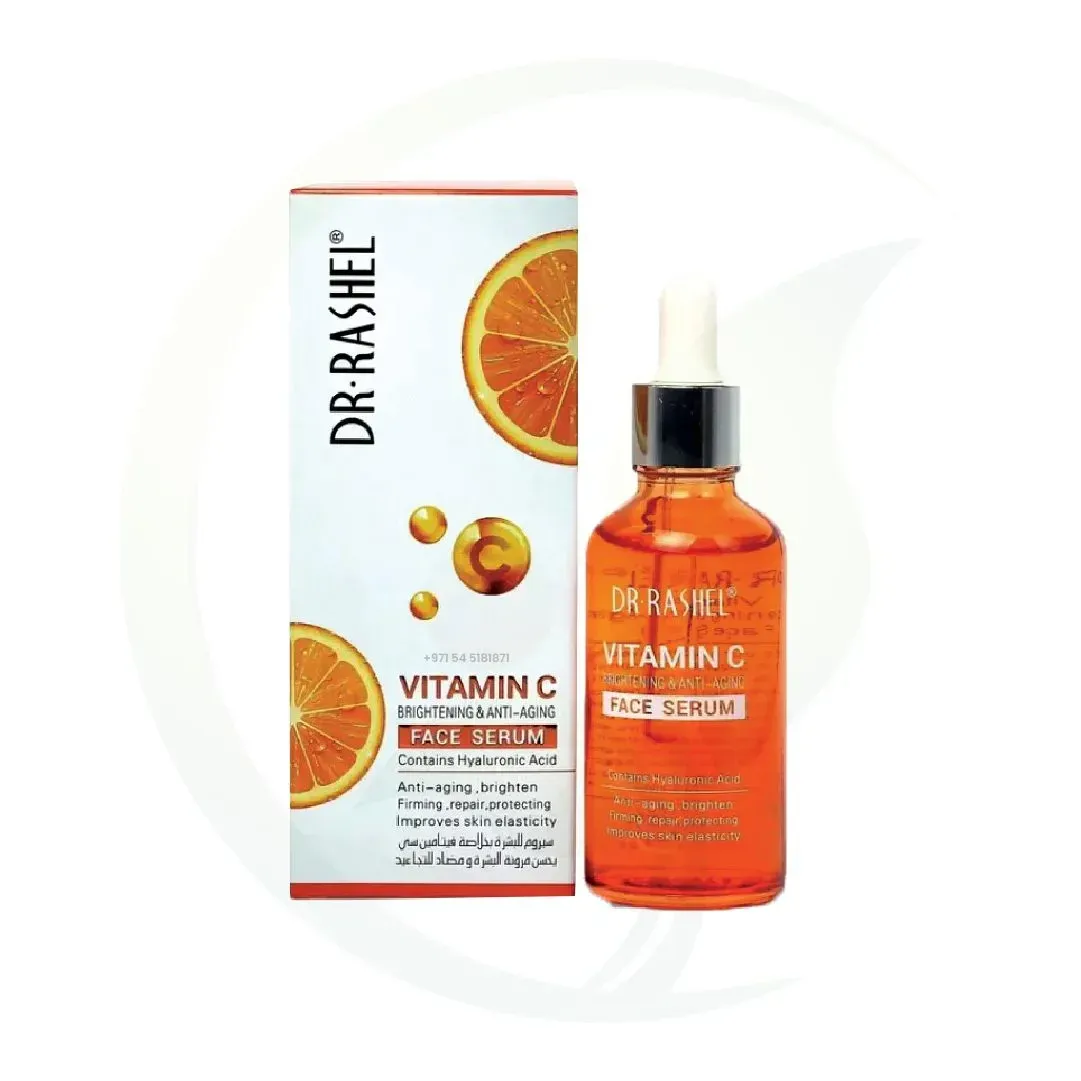
A targeted serum kinda pushes concentrated active ingredients right into the deeper zones of the epidermis, not just sitting on top. And unlike those thicker creams, serums usually have smaller molecule sizes so they get in faster, and without really clogging pores.
One of the main things an actually effective formula does is this, it works from multiple angles at once. Like,
Inhibiting Tyrosinase: Tyrosinase is basically the key enzyme that helps make melanin. So the active ingredients in the serum block this enzyme, which means new spots are less likely to surface.
Accelerating cell turnover: When you encourage older, pigmented cells to detach sooner, you end up with fresher clearer skin showing up more readily.
Neutralizing free radicals: Antioxidants handle oxidative stress coming from sun, pollution, and all the everyday environmental stuff.
Calming inflammation: Anti-inflammatory compounds relax irritated tissue. This can help stop fresh marks from forming after breakouts, even if the skin is a bit angry.
Daily Habits for Lasting Skin Clarity
Mixing strong topical formulas with a few smart daily rhythms makes a kind of shield that helps fend off that return of discoloration, sort of like you’re constantly pressing reset.
- Use Broad-Spectrum Sunscreen Every Day: Put on a broad spectrum SPF 30 or higher each morning, even if you’re basically indoors, or it’s those cloudy days, it still counts.
- Keep Barrier Health On Track: Add moisturizing stuff such as hyaluronic acid and ceramides, so your moisture barrier stays tough and calm instead of easily irritated.
- Don’t Mess With Breakouts: Don’t pop pimples, and don’t pick scabs either. That physical trauma leaves dark marks that last longer, pretty much every time.
Team Up Serums with Antioxidants: Vitamin C, niacinamide, and plant-based extracts actually work in tandem to reduce oxidative stress, and keep your skin protected.
The Role of Natural & Botanical Ingredients
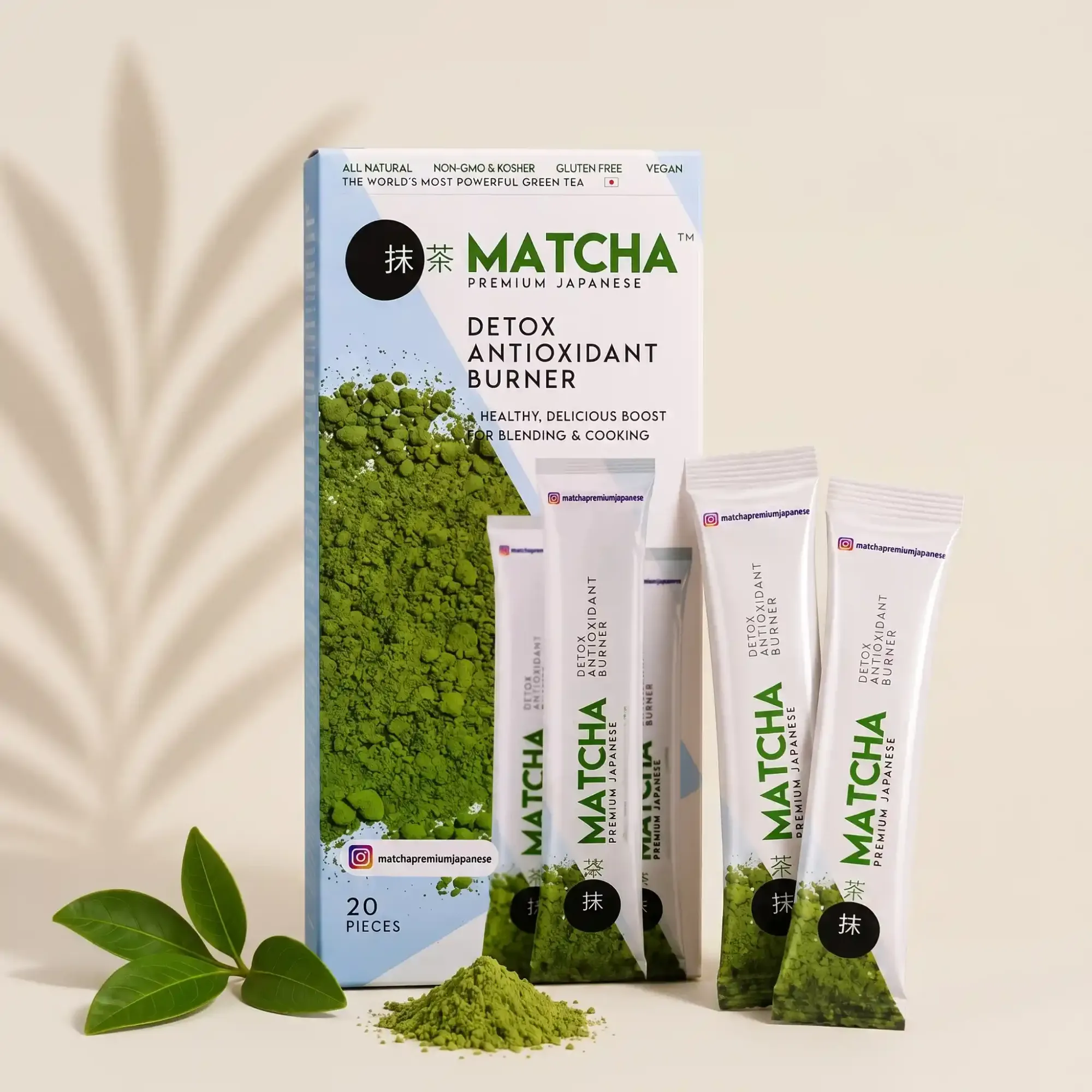
Soft plant-based ingredients have been getting a lot of attention for helping fade discoloration, without really poking at sensitive skin. You know, active botanicals such as licorice root extract alpha arbutin, and green tea can bring strong brightening results but also help ease inflammation, a bit like gentle balance.
For people living in warmer climates, adding mild wellness items from the premium Herbal Products UAE lineup can give the skin those soothing, climate-adapted nutrients that are meant to shield it from extreme heat and harsh sunlight.
Frequently Asked Questions (FAQs)
Why do my dark spots come back in the summer?
Increased ambient heat and UV intensity during summer months activate melanocytes. Even if you wear sunscreen, high temperatures alone can trigger melanin production in pigment-prone skin.
How long does it take for a dark spot correcting serum to show results?
Most people notice initial brightening within 4 to 6 weeks of consistent daily use. Deeper discoloration or long-standing melasma may take 8 to 12 weeks of continuous care to fade noticeably.
Can I use a dark spot serum every day?
Yes, most formulas are designed for daily morning and evening application. However, if your serum contains potent exfoliating acids or retinoids, introduce it gradually to avoid irritation.
Should I apply serum before or after moisturizer?
Always apply serum to clean, slightly damp skin before applying moisturizer. Moisturizer seals in the active ingredients and prevents hydration loss.
Does diet affect hyperpigmentation?
An antioxidant-rich diet containing vitamins C and E helps protect skin from internal oxidative stress, supporting overall tone and reducing systemic inflammation that contributes to skin damage.
Conclusion
Fading hyperpigmentation feels like a journey that goes way past quick surface fixes. Dark spots can keep coming back, especially when the deeper pigment is still being triggered, plus sun exposure and skin inflammation are left kind of untouched. If you combine a steady skincare routine with protective daily habits and pick high quality solutions, like gentle botanicals you can find in those trusted Herbal Products UAE collections, you’ll usually see a more even look and that clear, long-lasting glow. It’s not instant, it’s more like consistent small efforts, over time, and yes it matters what’s under the surface too.





















Sign in to leave a comment.