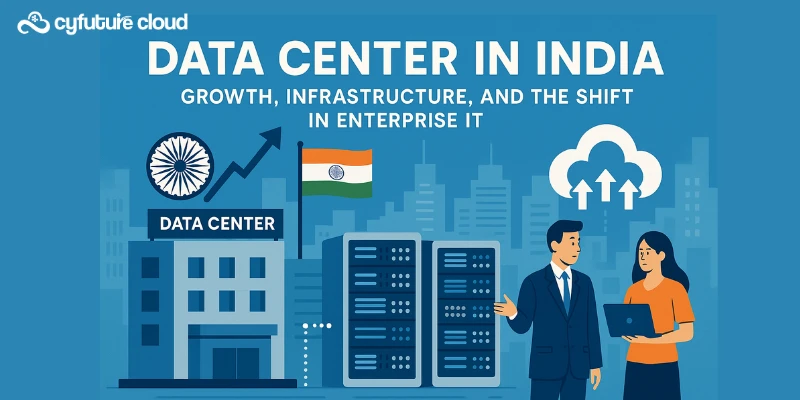

India’s rapid digital transformation has made technology infrastructure a strategic priority for businesses, governments, and service providers. At the center of this transformation is the data center in India, which plays a vital role in storing, processing, and managing the massive volumes of data generated every day. From startups and enterprises to OTT platforms and fintech companies, reliable data centers are now essential for growth, compliance, and performance.
The Growing Importance of Data Centers in India
India is one of the fastest-growing digital economies in the world. With increasing internet penetration, smartphone usage, cloud adoption, and data-driven applications, the demand for robust IT infrastructure has risen sharply. A modern data center in India supports this demand by offering secure environments for servers, networking equipment, and storage systems.
Government initiatives such as Digital India, Smart Cities, and data localization policies have further accelerated investments in domestic data center capacity. Organizations are increasingly preferring local data centers to ensure lower latency, better performance, and adherence to regulatory requirements.
Key Drivers Behind Data Center Growth
Several factors are contributing to the expansion of data centers across the country:
- Data Localization Regulations
Regulations in sectors like banking, payments, and telecom require sensitive data to be stored within national borders. This has increased the need for enterprise-grade data centers in India. - Cloud and SaaS Adoption
Businesses are moving workloads to public, private, and hybrid clouds. This shift relies heavily on well-connected data centers that can host cloud infrastructure efficiently. - E-commerce and Digital Services
Online retail, streaming platforms, gaming, and digital payments generate enormous data volumes. A reliable data center in India ensures uninterrupted services during peak demand. - 5G and Edge Computing
The rollout of 5G networks is expected to increase data consumption significantly. Data centers, especially edge facilities, help process data closer to users, improving speed and user experience.
Types of Data Centers in India
The data center ecosystem in India is diverse, catering to different business needs:
- Enterprise Data Centers
Owned and operated by large organizations for internal workloads, offering complete control over infrastructure and security. - Colocation Data Centers
These facilities allow businesses to place their servers in a shared, professionally managed environment, reducing capital expenditure and operational complexity. - Hyperscale Data Centers
Designed to support large-scale cloud providers and global technology companies, hyperscale facilities focus on scalability, automation, and energy efficiency. - Edge Data Centers
Smaller facilities located closer to end users, ideal for latency-sensitive applications such as IoT, AI, and real-time analytics.
Key Locations for Data Centers in India
Major metropolitan cities have emerged as preferred hubs for data center development due to connectivity, power availability, and skilled workforce. Mumbai, Chennai, Hyderabad, Bengaluru, Delhi-NCR, and Pune are leading locations for a data center in India. Coastal cities like Mumbai and Chennai are particularly attractive because of access to submarine cable landing stations, which enhance global connectivity.
Benefits of Choosing a Data Center in India
Hosting infrastructure within India offers several advantages:
- Low Latency and Better Performance
Proximity to users results in faster application response times and improved digital experiences. - Regulatory Compliance
Local data centers help organizations meet data sovereignty and compliance requirements more easily. - High Availability and Reliability
Modern facilities are built with redundant power, cooling, and network systems to ensure maximum uptime. - Enhanced Security
Physical security, surveillance, access controls, and compliance certifications protect critical business data.
Sustainability and Energy Efficiency
As data center capacity grows, sustainability has become a major focus. Many operators are adopting energy-efficient cooling systems, renewable energy sources, and green building practices. A future-ready data center in India balances performance with environmental responsibility, helping organizations meet their ESG goals.
Choosing the Right Data Center Partner
When selecting a data center in India, businesses should evaluate factors such as location, scalability, security standards, uptime guarantees, network connectivity, and support services. A reliable partner not only provides infrastructure but also offers flexibility to scale as business needs evolve.
The Role of VPS Hosting in Modern Data Centers
In addition to physical infrastructure, many data centers now offer virtualized services to support businesses of all sizes. Toward the end of the infrastructure stack, VPS hosting plays a crucial role by providing cost-effective, scalable, and isolated virtual environments within a data center. VPS hosting allows startups and growing businesses to benefit from the reliability of a data center in India without investing in dedicated hardware, making it an ideal solution for web applications, development environments, and hosted services.
By combining strong physical infrastructure with flexible virtual solutions, data centers in India continue to support the country’s digital growth and evolving IT needs.
























Sign in to leave a comment.