
A few weeks ago, I left home intending to do something simple: take a walk and clear my mind.
There was no environmental mission behind it. I wasn't researching plastic pollution, writing an article, or trying to prove a point. I just wanted an hour away from screens, notifications, and deadlines.
The weather was pleasant. The streets were busy but not crowded. It felt like the kind of ordinary afternoon that usually fades from memory.
Instead, it became the day I started seeing plastic waste everywhere.
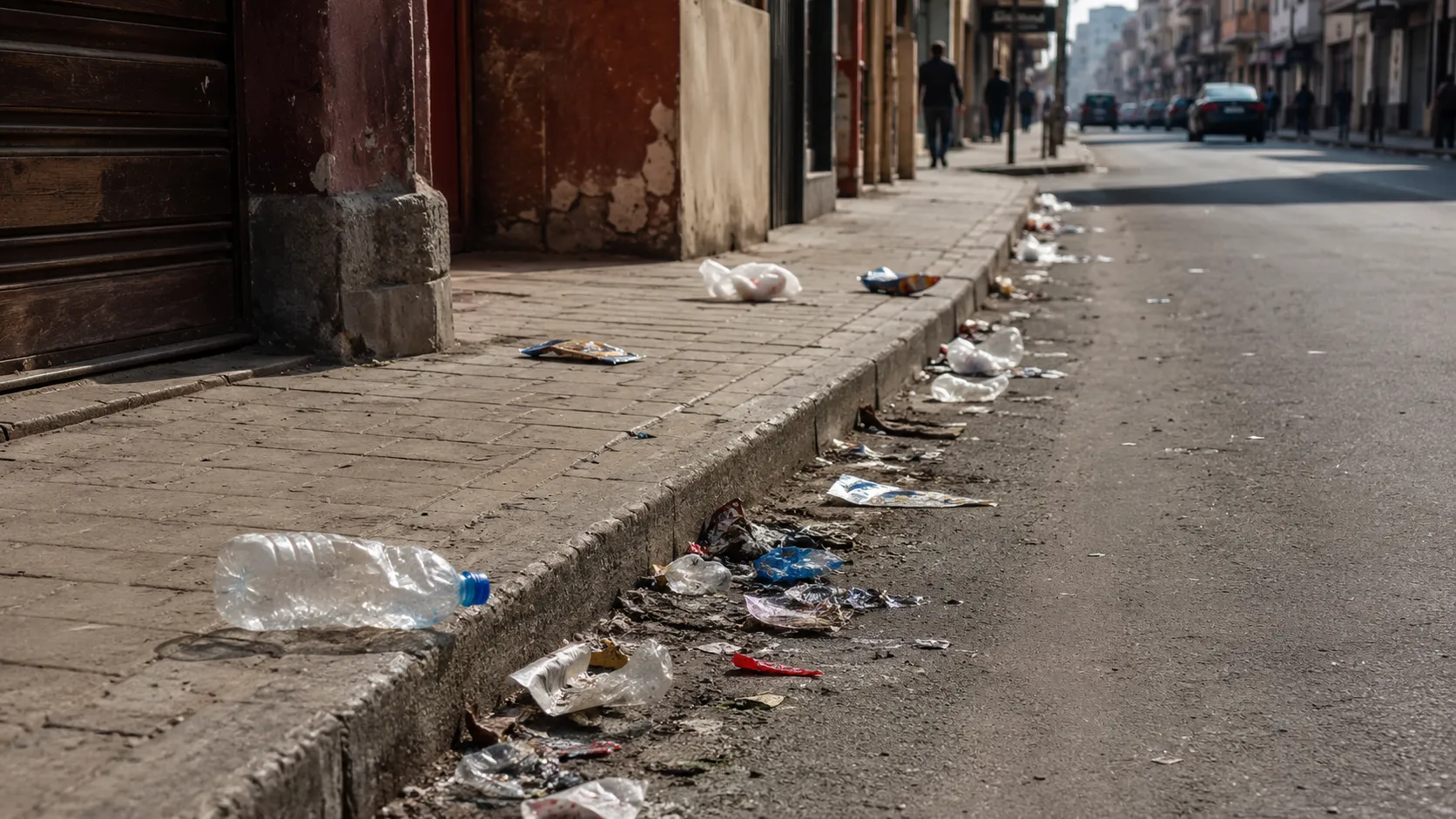
At first, it was a discarded water bottle near a curb. Nothing unusual. Most of us have seen that countless times.
A few minutes later, I noticed a plastic snack wrapper trapped beneath a parked car. Then another caught in a fence. Then a plastic bag tangled in a bush.
What surprised me wasn't the presence of litter itself. What surprised me was how quickly I stopped being able to ignore it.
Once I noticed the first few pieces, it felt as if someone had adjusted the focus on a camera lens. Suddenly, plastic waste wasn't an occasional sight. It was part of the landscape.
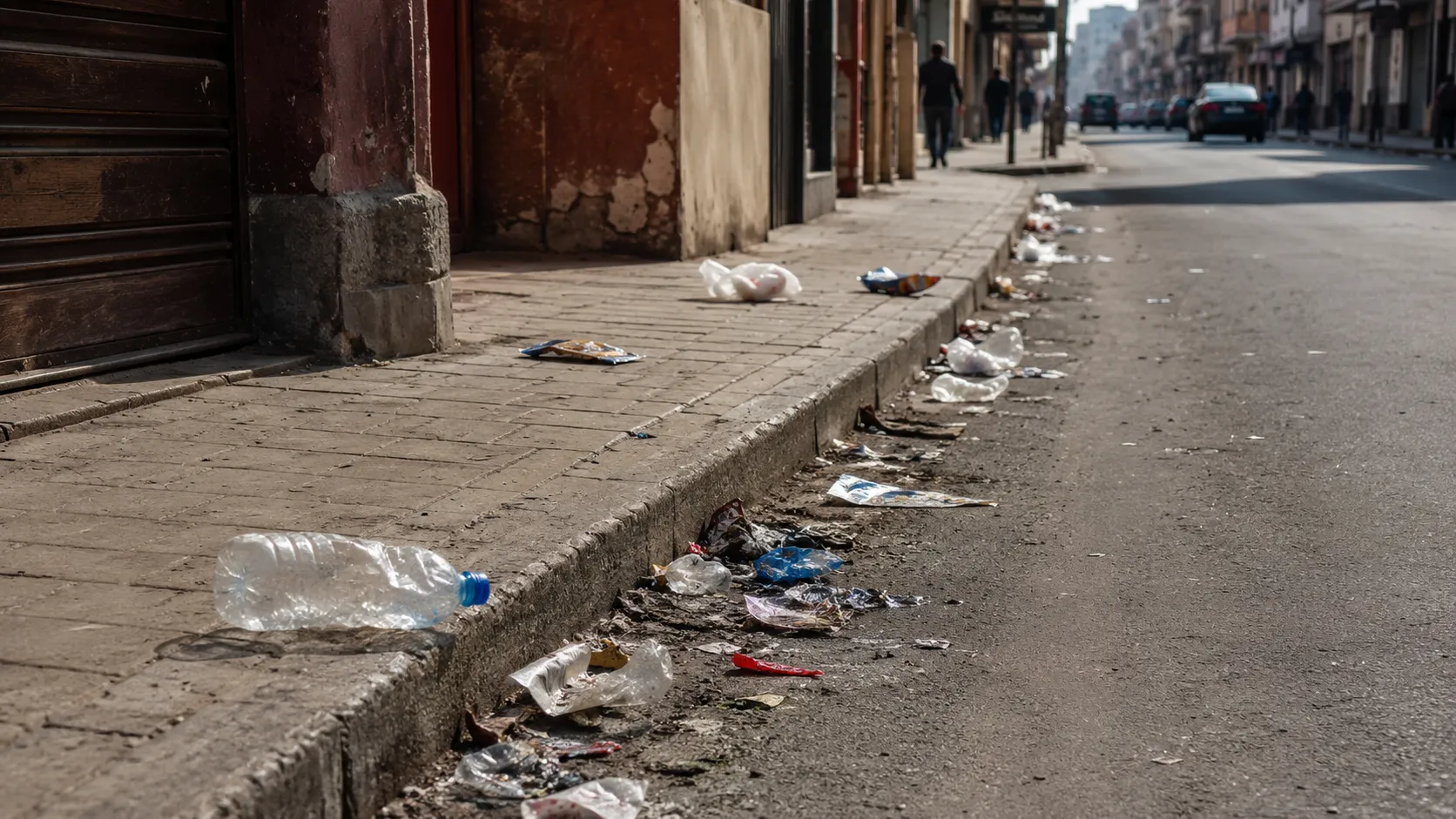
It lined sidewalks.
It collected in gutters.
It drifted across empty lots.
It appeared in places where nobody seemed to expect it, yet everyone had grown accustomed to it.
I began wondering how many times I had walked these same streets without truly paying attention.
The Invisible Problem We Learn to Ignore
One of the most remarkable things about plastic waste is how ordinary it has become.
When a building is damaged, people notice.
When a road is blocked, people complain.
When a public space becomes visibly neglected, concerns are raised.
Plastic waste operates differently.
A bottle here. A wrapper there. A piece of packaging caught in a tree branch.
Each item appears insignificant on its own.
The problem emerges when millions of these small pieces accumulate across neighborhoods, cities, rivers, beaches, and ecosystems.
Because the change happens gradually, many of us adapt to it without realizing it.
Psychologists sometimes refer to this phenomenon as "shifting baselines." Each generation accepts the environment they inherit as normal, even if conditions have steadily worsened over time.
Perhaps that's why plastic waste often escapes our attention. We've seen it for so long that it feels like a permanent feature of modern life.
But permanence should not be mistaken for normality.
Following the Trail
As I continued walking, I became curious.
Where did all this plastic come from?
Some of the answers were obvious. Beverage containers, food packaging, shopping bags, and disposable items are part of everyday life.
Yet many pieces looked older than I expected.
Some had clearly been exposed to sunlight for months. Others were partially buried in dirt or trapped beneath vegetation.
These weren't items discarded that morning.
They had become part of the environment.
That realization stayed with me.
We often think of waste as something that disappears after we throw it away. Once it leaves our homes, it leaves our minds.
But the physical material doesn't simply vanish.
It moves.
It breaks apart.
It travels through drainage systems.
It enters waterways.
It fragments into smaller pieces.
Eventually, some of it reaches places where it was never intended to go.
The journey continues long after we stop thinking about it.
Why Plastic Waste Matters
Plastic is an extraordinary material in many ways.
It is lightweight, durable, affordable, and versatile. Those qualities helped transform industries and improve countless products.
The challenge is that durability becomes a problem when an item designed for minutes of use remains in the environment for years.
A disposable wrapper may be used for a few moments.
A plastic bottle may serve its purpose for a few hours.
Certain packaging materials may be useful for days.
Their environmental presence, however, can last much longer.
This imbalance between short-term convenience and long-term impact is one of the defining environmental challenges of our time.
The issue extends beyond aesthetics.
Plastic waste affects wildlife, ecosystems, waterways, and public spaces. It can alter habitats, create hazards for animals, and contribute to broader pollution problems that communities around the world continue to address.
What struck me during that walk was not the scale of the global issue.
It was the local reality.
The problem wasn't happening somewhere else.
It was happening on the same streets I walked every week.
Small Observations, Bigger Questions
The more I paid attention, the more questions emerged.
Why do we produce so many disposable items?
How much packaging do we use without thinking about it?
What happens to materials that escape waste management systems?
What alternatives already exist that receive far less attention?
I don't claim to have all the answers.
But I do believe awareness matters.
Most meaningful changes begin with observation.
Before people improve a process, they first notice a problem.
Before communities address an issue, they recognize its presence.
Before consumers seek better options, they understand the consequences of existing ones.
That afternoon taught me that awareness is often the first step toward action.
Not dramatic action.
Not perfect action.
Just action.
Looking at Everyday Choices Differently
Since that walk, I haven't become obsessed with counting every piece of litter I see.
What has changed is my perspective.
I find myself paying more attention to the products I buy, the packaging I encounter, and the materials that move through my daily routine.
I notice how frequently convenience relies on disposability.
I notice how easily temporary products become permanent waste.
I notice how many conversations about sustainability begin only after people see the issue with their own eyes.
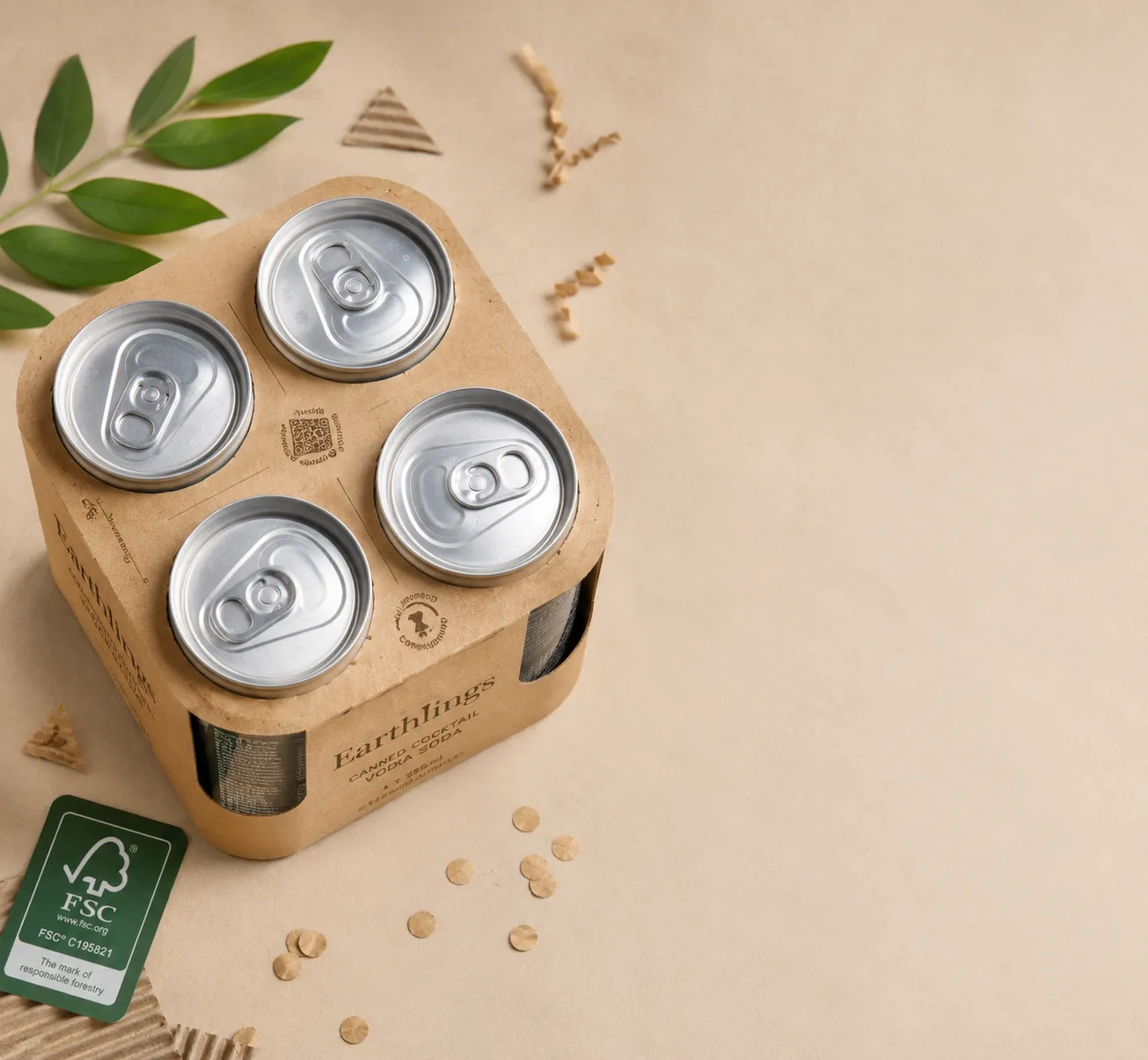
I've also learned that innovation is happening in places most people never think about. Across industries, businesses and designers are exploring alternatives to conventional materials, including Earthrings biodegradable can rings that aim to reduce packaging's long-term environmental footprint.
These developments may not solve plastic pollution on their own.
But they reflect something important: recognition that the status quo can be improved.
What I Remember Most
When I think back to that afternoon, I don't remember a single shocking image.
I remember accumulation.
The bottle.
The wrapper.
The bag.
The fragments of plastic scattered across ordinary places.
Individually, they seemed insignificant.
Together, they told a different story.
Plastic waste is often discussed through statistics, reports, and global projections. Those conversations are important.
But sometimes understanding begins with something much simpler.
A walk.
A moment of attention.
A decision to look more carefully at the world around us.
That day, I noticed plastic waste on nearly every street I walked.
What surprised me most wasn't how much plastic I found.
It was how long I had lived alongside it without truly seeing it.






















Sign in to leave a comment.