

Defederating Microsoft 365 from GoDaddy is a crucial step for businesses seeking full administrative control of their cloud environment. When Microsoft 365 is purchased through GoDaddy, the tenant is typically “federated,” meaning GoDaddy manages authentication, licensing, and certain configurations. This setup can limit access to advanced features and direct Microsoft support.
The defederation process essentially removes GoDaddy’s control and converts the tenant into a standard Microsoft-managed environment. This allows businesses to implement advanced security policies, manage licenses directly, and customize configurations without restrictions.
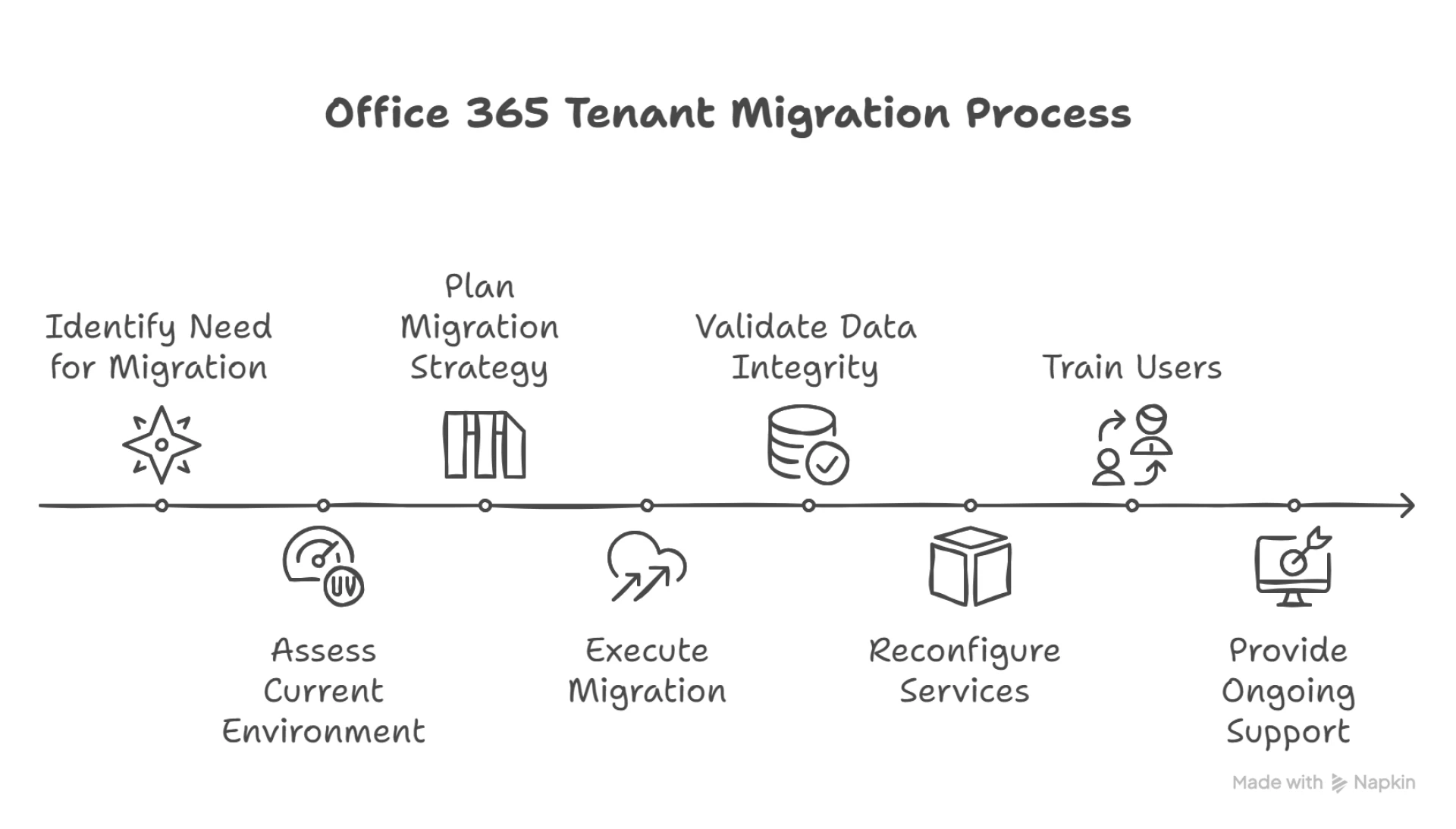
The process involves several key steps. First, organizations must prepare users, as defederation requires password resets and re-authentication across services such as Outlook and Teams. Next, administrators need to gain global admin access to the tenant and convert the domain from federated to managed. After that, DNS records such as MX and CNAME must be updated to ensure proper email flow and service continuity.
Once defederation is complete, businesses can purchase licenses directly from Microsoft or a Cloud Solution Provider and remove GoDaddy’s delegated access. It’s also important to test email functionality and user access to avoid disruptions.
Proper planning is essential to ensure a smooth transition. Scheduling the change during non-business hours and running pilot tests can minimize the impact on users.
For organizations looking to simplify this process, Apps4Rent offers expert assistance in defederating Microsoft 365 from GoDaddy, ensuring secure migration, minimal downtime, and complete control over your cloud environment.


























Sign in to leave a comment.