

As the prevalence of dementia rises, families are increasingly seeking ways to provide care for their loved ones while maintaining a sense of normalcy in their lives. One of the most compassionate and effective solutions is dementia home care, which allows individuals with cognitive impairments to remain in the comfort of their own homes while receiving the support they need. This article explores the key aspects of dementia home care, outlining what families should know to make informed decisions about their loved ones' care.
Understanding Dementia and Its Impact
Dementia is not a single disease but rather a term used to describe a range of symptoms associated with cognitive decline. Conditions such as Alzheimer’s disease, vascular dementia, and Lewy body dementia can all fall under this umbrella. The impact of dementia is profound, affecting not only the individual diagnosed but also their family members and caregivers. As cognitive abilities decline, individuals may struggle with memory loss, confusion, and difficulty performing daily tasks.
Understanding the nature of dementia is crucial for families considering home care options. Each stage of dementia presents different challenges, and care needs may evolve over time. Dementia home care can provide personalized support that adapts to these changing needs, allowing families to focus on their loved ones’ emotional and psychological well-being.
The Benefits of Dementia Home Care
Choosing dementia home care offers numerous advantages that can significantly enhance the quality of life for individuals living with cognitive impairments. Some of the most notable benefits include:
1. Familiar Environment
One of the primary advantages of dementia home care is that it allows individuals to remain in a familiar environment. The comfort of home can provide a sense of security and stability, which is particularly important for those experiencing confusion and memory loss. Familiar surroundings can help reduce anxiety and promote a sense of well-being, which is vital for individuals with dementia.
2. Personalized Care
Dementia home care offers the opportunity for personalized care tailored to meet the specific needs of each individual. Care plans can be customized based on the person's preferences, routines, and cognitive abilities. This level of personalization fosters a sense of dignity and respect, allowing individuals to maintain their autonomy while receiving the support they require.
3. One-on-One Attention
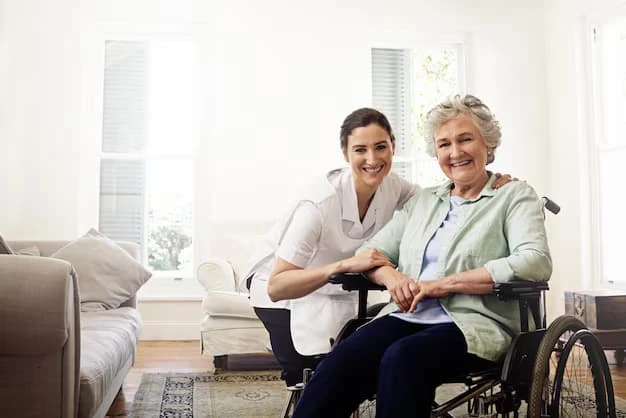
In contrast to residential care facilities, dementia home care often provides one-on-one attention from caregivers. This focused care enables caregivers to build meaningful relationships with their clients, enhancing emotional support and communication. Such connections can significantly improve the quality of life for individuals with dementia, as they feel understood and supported by someone who genuinely cares.
4. Flexibility and Independence
Dementia home care allows for greater flexibility in scheduling and care routines. Families can work with caregivers to establish a schedule that aligns with their loved one's needs, whether that involves assistance with daily activities, medication management, or companionship. This flexibility enables individuals to maintain a sense of independence and control over their lives, which can be empowering for both the individual and their family.
5. Family Involvement
Home care allows families to remain actively involved in their loved one's care. This involvement can foster a collaborative approach to caregiving, where family members and caregivers work together to ensure the best outcomes for the individual. Open communication between families and caregivers is essential in addressing concerns, sharing insights, and adapting care plans as needed.
What to Look for in a Dementia Home Care Provider
When selecting a dementia home care provider, families should consider several key factors to ensure they choose an agency that meets their loved one's needs effectively. Here are some important aspects to evaluate:
1. Qualifications and Training of Caregivers
The qualifications and training of caregivers are paramount when it comes to providing quality dementia care. Families should inquire about the training programs caregivers undergo, focusing on their understanding of dementia, communication techniques, and behavior management strategies. Caregivers should possess both the knowledge and empathy required to support individuals with cognitive impairments.
2. Customized Care Plans
A reputable home care agency will prioritize the development of customized care plans that reflect the unique needs of each individual. Families should ask how the agency assesses clients' needs and how often care plans are reviewed and updated. This adaptability is crucial as the individual's condition changes over time.
3. Safety Measures
Safety is a vital consideration in dementia home care. Families should ensure that the agency conducts thorough background checks on caregivers and provides ongoing training in safety protocols. Additionally, caregivers should be trained to handle emergencies and recognize signs of distress in individuals with dementia.
4. Open Communication
Effective communication between families and caregivers is essential for successful dementia home care. Families should look for agencies that prioritize open lines of communication, providing regular updates on the individual's well-being and any changes in their condition. This transparency fosters trust and collaboration among all parties involved.
5. Flexibility and Responsiveness
Dementia care needs can evolve rapidly, so it is important for home care providers to be flexible and responsive to changing circumstances. Families should assess whether the agency can accommodate last-minute changes in scheduling or care requirements. An adaptable approach ensures that the client's needs are always met, regardless of shifts in their condition.
Challenges of Dementia Home Care
While dementia home care offers numerous benefits, it is not without its challenges. Families must be prepared to navigate these obstacles to ensure the best care for their loved ones. Some common challenges include:
1. Emotional Toll on Family Caregivers
Caring for a loved one with dementia can be emotionally taxing for family caregivers. The progressive nature of dementia can lead to feelings of frustration, sadness, and helplessness. Family members must prioritize their own well-being and seek support when needed, whether through support groups, counseling, or respite care.
2. Managing Behavioral Changes
Individuals with dementia may exhibit challenging behaviors, such as agitation, confusion, or aggression. Caregivers must be equipped to handle these situations with patience and understanding. Training in behavior management techniques can help caregivers respond effectively and de-escalate difficult situations.
3. Coordination of Care
As dementia progresses, individuals may require additional support in various areas, including medical care, therapy, and social services. Coordinating these services can be complex, and families should work closely with caregivers to ensure a holistic approach to care that addresses all aspects of the individual's well-being.
Conclusion: Embracing Compassionate Care
Dementia home care is a compassionate option that allows individuals to receive personalized support while remaining in familiar surroundings. By understanding the benefits, key considerations, and challenges associated with home care, families can make informed decisions that prioritize their loved ones’ well-being.
As families navigate the complexities of dementia care, they can find reassurance in the dedicated support available through home care services. Full Bloom Memory Care recognizes the importance of compassionate care tailored to each individual's needs. If you’re ready to explore dementia home care options for your loved one, contact Full Bloom Memory Care today. Let us help you provide the loving support your family deserves on this journey.































Sign in to leave a comment.