
In a society that increasingly values independence and self-sufficiency, in home personal care has emerged as a pivotal solution for seniors and individuals with disabilities. This model of care allows individuals to maintain their autonomy while receiving the assistance they need to navigate daily life safely and comfortably. As families search for ways to ensure their loved ones can live independently at home, the benefits of in-home personal care become distinctly apparent, combining safety, dignity, and a sense of community.
Understanding In-Home Personal Care
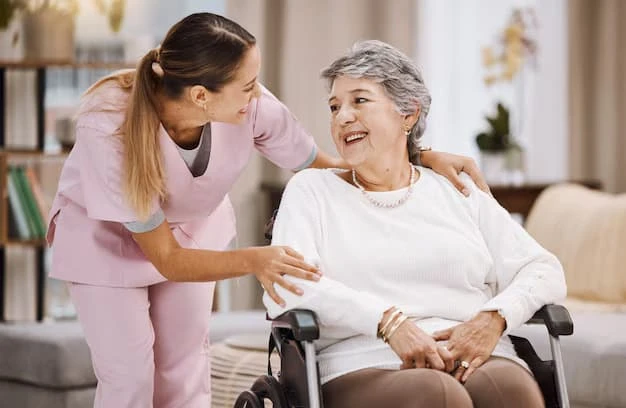
In-home personal care encompasses a wide array of services designed to assist individuals with daily activities while promoting their independence. These services typically include assistance with personal hygiene, meal preparation, medication management, and light housekeeping. However, the essence of in-home personal care goes beyond these physical tasks; it is about building relationships and providing emotional support that helps individuals feel valued and connected.
Personal caregivers are trained professionals who focus on the individual needs of each client. They are not merely assistants but companions who recognize the importance of fostering a comfortable and familiar environment. This personalized approach allows seniors to remain in their homes, surrounded by their belongings and memories, which is crucial for maintaining their emotional well-being.
Promoting Safety in the Home Environment
Safety is often the foremost concern for families considering in-home personal care for their loved ones. Aging or disabled individuals may face challenges that make daily tasks hazardous. Simple activities such as bathing, cooking, or even moving from room to room can pose significant risks. Personal caregivers are trained to identify potential hazards and implement strategies to mitigate them, ensuring a safer living environment.
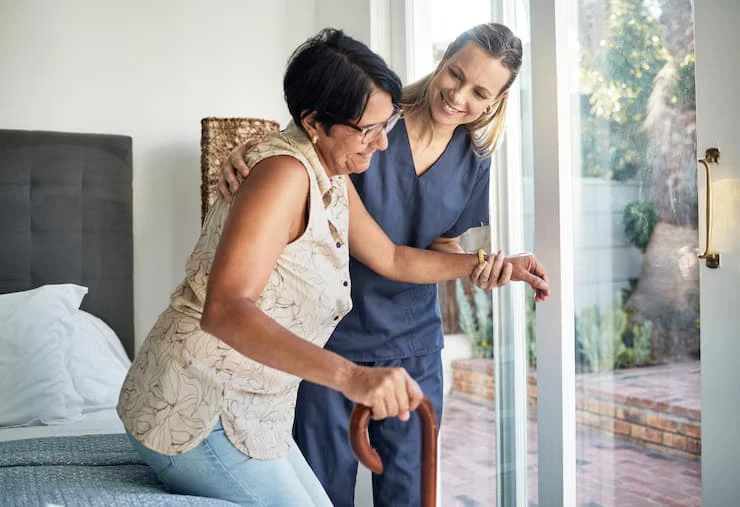
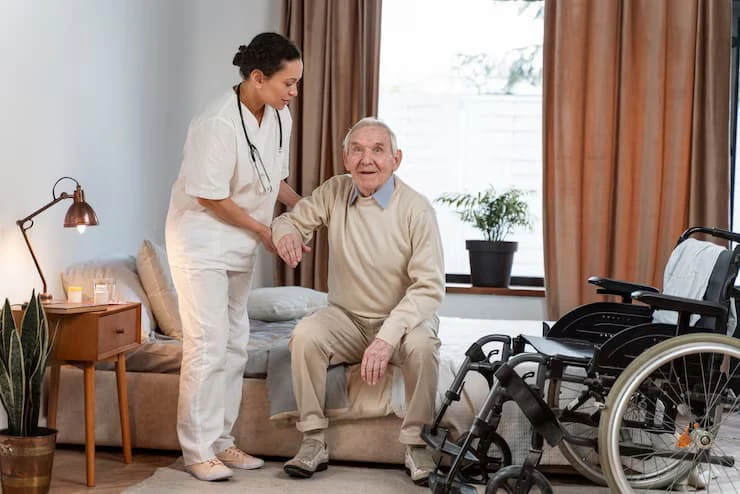
For instance, caregivers can assist with fall prevention by ensuring that walkways are clear, lighting is adequate, and necessary items are within reach. They may also provide mobility support, helping individuals move safely throughout their homes. This proactive approach significantly reduces the risk of accidents, allowing seniors to live with confidence and peace of mind.
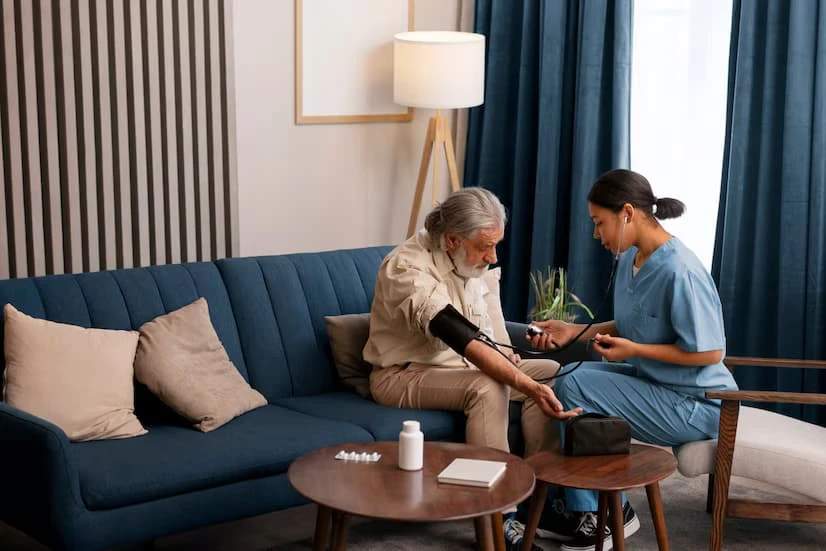
Moreover, personal caregivers are skilled in recognizing signs of health deterioration or changes in behavior that may indicate underlying issues. By maintaining regular contact and observance, they can alert family members and healthcare professionals to any concerns, facilitating timely interventions.
Supporting Daily Living Activities
The everyday demands of living can become overwhelming for seniors or individuals with disabilities. In-home personal care provides essential support for activities of daily living (ADLs), which include bathing, dressing, grooming, and eating. Caregivers not only assist with these tasks but also empower individuals by encouraging them to participate as much as possible.
For example, a caregiver may help a senior with bathing by providing assistance while still allowing them to control the process. This balance of support and independence fosters a sense of dignity, making individuals feel more like themselves rather than passive recipients of care. Additionally, caregivers can encourage the development of routines that promote health and well-being, such as regular meal times and exercise, which are crucial for maintaining physical health.
Cooking is another area where in-home personal care shines. Caregivers can prepare nutritious meals while also involving the individual in the process. This engagement not only ensures that dietary needs are met but also offers an opportunity for social interaction and enjoyment, transforming meal preparation into a shared experience rather than a chore.
Enhancing Emotional Well-Being
The emotional well-being of seniors is often overlooked in discussions about care. Isolation and loneliness can significantly impact mental health, leading to depression and a decline in overall quality of life. In-home personal care addresses these issues by providing companionship and fostering social connections.
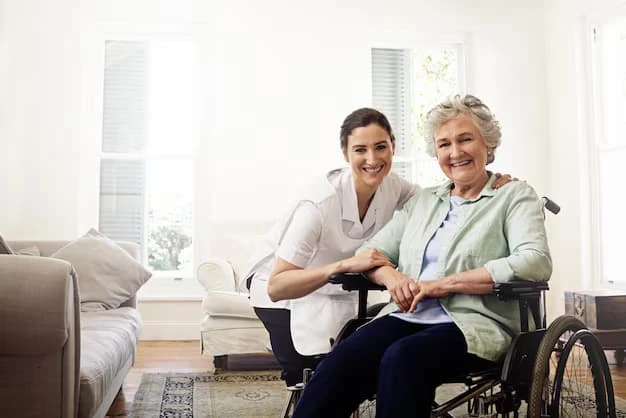
Personal caregivers often develop close relationships with their clients, becoming trusted friends who provide emotional support. Engaging in conversations, sharing stories, and participating in leisure activities together can create a sense of community that is vital for emotional health. These interactions not only enrich the lives of individuals receiving care but also promote a positive atmosphere within the home.
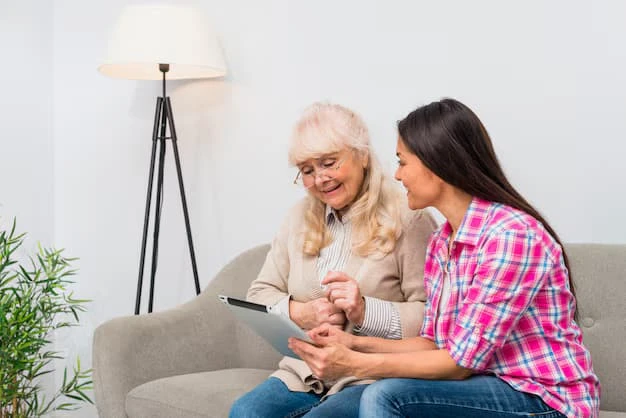
Furthermore, caregivers can facilitate socialization beyond the home environment. They may encourage participation in community events, arrange visits with family and friends, or assist with technology to connect individuals with loved ones who may be far away. By broadening social circles, in-home personal care helps combat feelings of loneliness and isolation, significantly enhancing overall well-being.
The Ripple Effect on Family Dynamics
The impact of in-home personal care extends beyond the individual receiving assistance; it also significantly affects family dynamics. Family members often grapple with the emotional and physical demands of caregiving, which can lead to stress and burnout. By enlisting the help of personal caregivers, families can alleviate some of this burden, allowing them to focus on spending quality time with their loved ones rather than being overwhelmed by caregiving tasks.
This shift enables family members to become more like companions rather than primary caregivers, fostering healthier relationships. They can engage in meaningful conversations, share experiences, and build memories without the weight of daily responsibilities hindering their interactions. This newfound dynamic can revitalize family connections, bringing joy and fulfillment to both seniors and their loved ones.
Encouraging Independence and Empowerment
One of the defining features of in-home personal care is its emphasis on promoting independence. Caregivers work to empower individuals to make choices and maintain control over their lives. This empowerment is essential for preserving dignity and self-worth, allowing seniors to feel valued and capable.
By collaborating with clients to establish care plans that respect their preferences and routines, personal caregivers foster an environment where individuals can thrive. Whether it involves choosing what to eat, deciding when to engage in activities, or simply determining how to spend their time, this autonomy is crucial for mental and emotional health.
Moreover, this approach to care encourages individuals to set and achieve personal goals, whether it’s learning a new skill, participating in community events, or maintaining hobbies. Caregivers can assist in creating pathways to these goals, providing the support necessary for individuals to experience success and fulfillment in their lives.
Conclusion
In conclusion, in-home personal care is a transformative solution that supports safe, independent living for seniors and individuals with disabilities. By promoting safety, enhancing daily living activities, and fostering emotional well-being, personal caregivers play a crucial role in enriching the lives of those they serve. The positive ripple effects on family dynamics and the empowerment of individuals further highlight the significance of this model of care.
For those considering how to best support their loved ones in maintaining independence, Full Bloom Memory Care offers personalized solutions tailored to individual needs. Discover how you can enhance the quality of life for your loved ones today.



























Sign in to leave a comment.