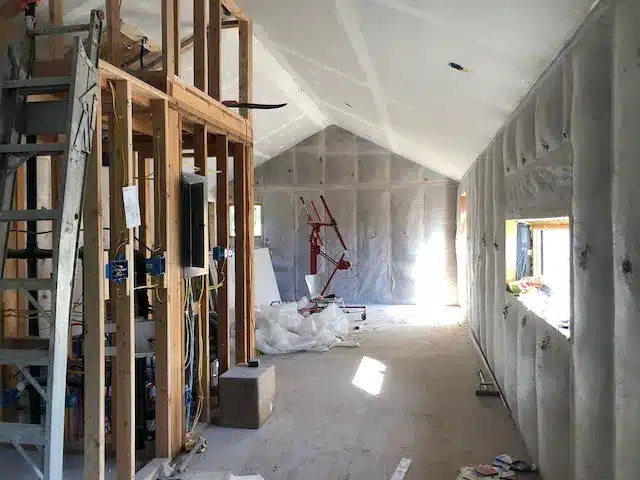

Dense pack cellulose is one of the most effective methods for improving both thermal resistance and air sealing in residential and commercial buildings. By installing cellulose at higher densities within wall or ceiling cavities, property owners can achieve long-lasting insulation performance, reduced air leakage, and improved indoor comfort. This article explains how dense pack cellulose installation works, why it is used as a combined thermal and air barrier, and the protocols that maximize its effectiveness.
Why Dense Pack Cellulose Offers High Thermal and Air Performance
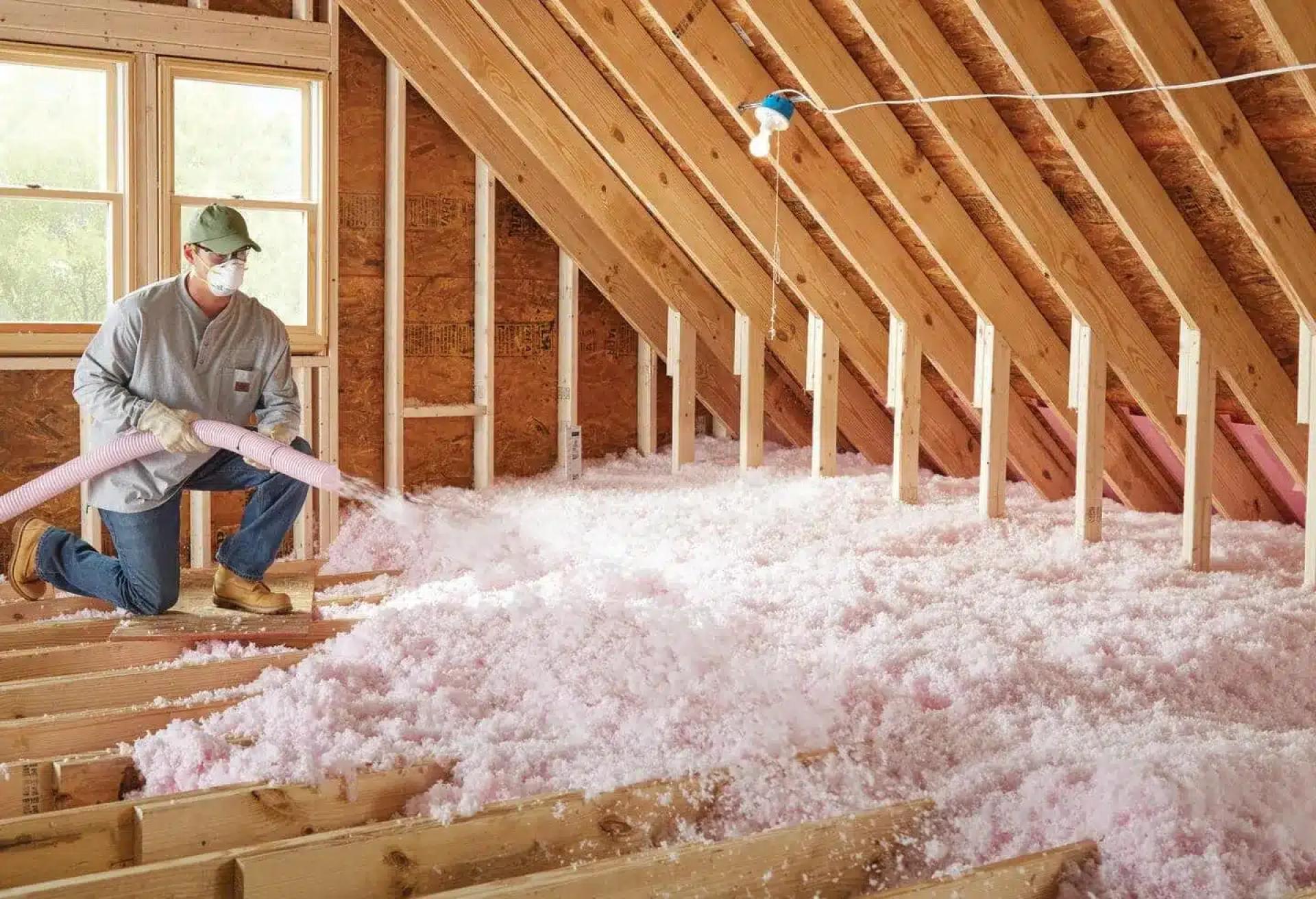
Dense pack cellulose achieves thermal resistance by filling cavities with treated recycled fibers at a density that prevents settling. At this density, the insulation reduces heat transfer while simultaneously restricting air movement. Unlike traditional loose-fill, which may allow airflow, dense pack cellulose creates a combined thermal and air barrier.
For homeowners, this translates to lower heating and cooling costs. For commercial property owners, it means improved compliance with energy codes and reduced operating expenses. The combination of thermal mass and air control is the primary reason dense pack cellulose is chosen for both new construction and retrofits.
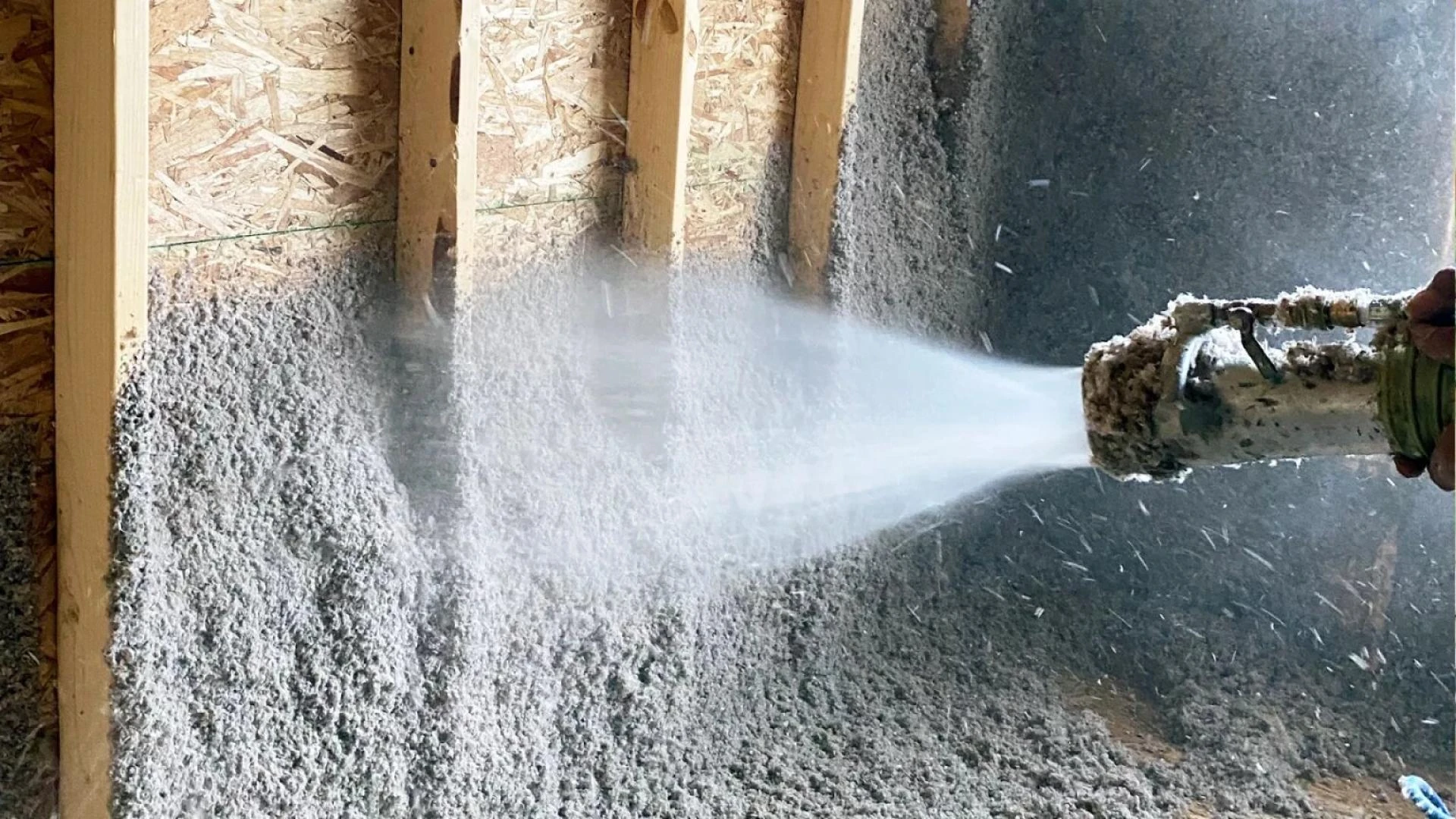
How Dense Pack Cellulose Installation Works
The installation process requires specialized equipment and trained installers. Achieving the correct density is critical because under-packed insulation may settle, while over-packed material loses effectiveness.
Preparation Before Installation
Wall cavities or attic knee walls must be inspected for moisture, mold, or old insulation. Small access holes are drilled into cavities, typically between framing studs, to allow insulation hoses to reach the full cavity depth.
Dense Packing Process
Cellulose fibers are blown in under high pressure until the target density is achieved. The hose is gradually withdrawn to ensure the cavity is filled evenly from top to bottom. Installers verify density with equipment gauges and inspection methods to prevent gaps or voids.
Sealing and Finishing
After installation, access holes are sealed, and surfaces are prepared for finishing. This step ensures the thermal and air barrier remains continuous without leaks at entry points.
Comparing Dense Pack Cellulose to Other Insulation
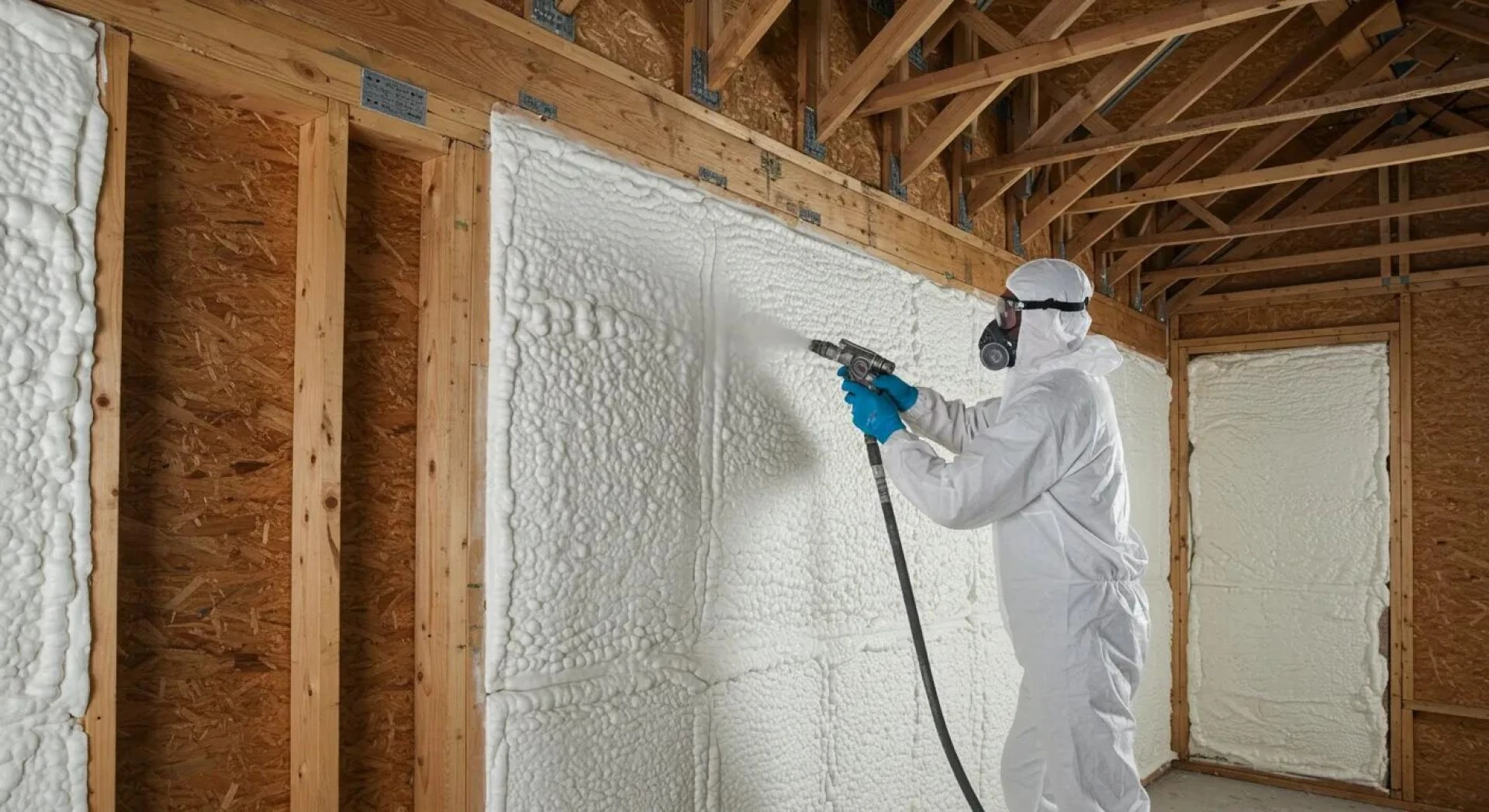
Property owners often evaluate cellulose alongside fiberglass or spray foam. Each insulation type has specific applications, but dense pack cellulose provides unique advantages for cavity fills.
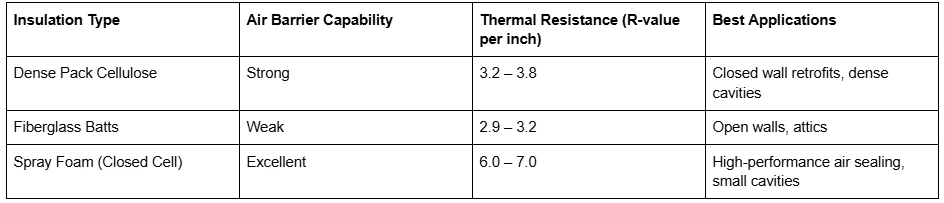
Dense pack cellulose provides superior air control compared to fiberglass and offers a lower-cost alternative to spray foam while still achieving strong thermal performance.
Common Applications in Residential and Commercial Buildings
Dense pack cellulose can be used in a wide range of structures. Its high-density application makes it particularly useful in situations where air leakage and thermal transfer need to be controlled together.
Wall Retrofits in Existing Homes
Older homes with empty or under-insulated walls benefit significantly from dense pack cellulose. Access holes can be drilled into plaster or siding, filled, and then sealed without major demolition.
Attic Knee Walls and Sloped Ceilings
Areas prone to air leakage, such as attic knee walls, benefit from dense packing because it prevents convection currents inside cavities that reduce insulation effectiveness.
Commercial Wall Assemblies
For commercial properties, dense pack cellulose is used in partition walls, exterior cavity walls, and areas requiring fire-rated and acoustical insulation. Its density helps control sound transfer in addition to thermal and air performance.
Performance Considerations for Long-Term Results
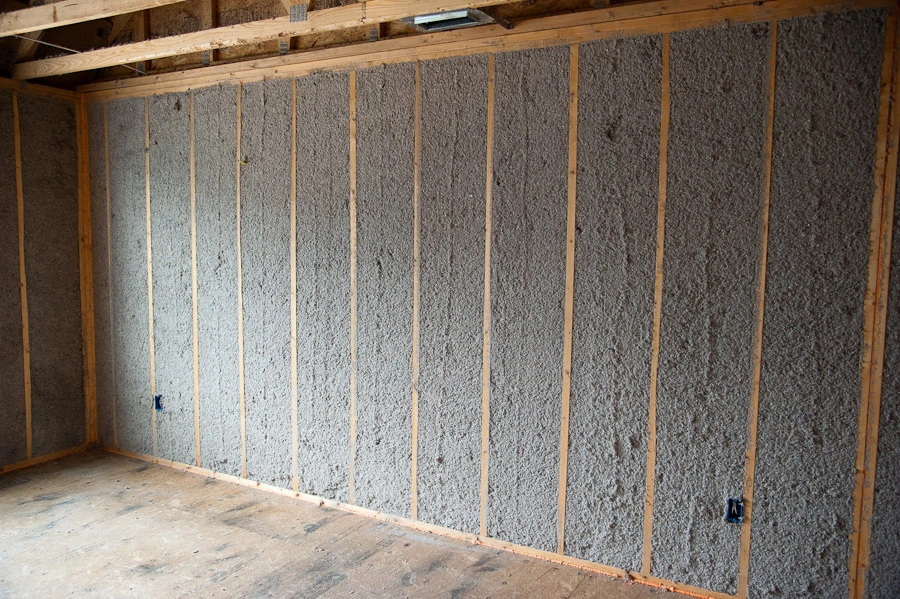
Properly installed dense pack cellulose provides long-lasting thermal resistance and air barrier function. Performance depends on density, moisture control, and ongoing inspections.
Density Verification
Achieving the right pounds per cubic foot of material is critical. Installers check density during installation to ensure fibers remain stable without settling.
Moisture Management
Cellulose must remain dry to maintain effectiveness. Vapor barriers, proper flashing, and cavity drying are necessary in humid or leak-prone environments.
Periodic Inspections
While cellulose remains stable for decades, periodic checks confirm that no leaks, pests, or structural changes have compromised the insulation layer.
Advantages Beyond Thermal Resistance
Dense pack cellulose offers more than improved R-values. It provides a set of secondary advantages that make it attractive for both homeowners and building managers.
Improved Air Quality
By reducing drafts and blocking pathways for dust and pollen, dense pack cellulose contributes to better indoor air conditions.
Noise Reduction
The dense fibers absorb sound, making it an effective choice for noise control between rooms and across building partitions.
Fire Resistance
Treated cellulose has fire-retardant properties, slowing flame spread and adding safety value to building assemblies.
Conclusion
Dense pack cellulose is a proven method for creating both thermal and air barriers in residential and commercial properties. Its high-density application ensures stable long-term performance, with benefits that extend beyond energy savings into improved comfort, durability, and sound control.
By filling cavities completely, blocking airflow, and maintaining proper density, dense pack cellulose stands out as one of the most reliable insulation solutions available. Property owners seeking both energy efficiency and a healthier indoor environment can rely on dense packing as a comprehensive approach to building insulation.
FAQs
How does dense pack cellulose stop air leaks?
The high-density fibers restrict airflow by filling every cavity space, leaving no channels for air to pass through. This makes it an effective air barrier compared to traditional fiberglass.
Can dense pack cellulose be added to existing walls?
Yes. Access holes can be drilled into walls, allowing insulation to be blown in without tearing down drywall or plaster, making it ideal for retrofits.
Does dense pack cellulose settle over time?
When installed at the proper density, cellulose remains stable and does not settle significantly. Verification during installation ensures long-term performance.
What makes dense pack cellulose different from loose-fill insulation?
Loose-fill is installed at a lower density, usually in attics, while dense pack is installed at higher pressure and density in wall or ceiling cavities to provide both thermal and air barrier properties.
Is cellulose insulation resistant to pests and mold?
Yes. Modern cellulose is treated to resist pests and mold growth, provided the cavity remains dry and properly sealed.
Reviewer: Charlotte King reviewed this article based on her 7 years of spray foam experience, contributing thoughtful advice about building customer relationships and improving local visibility.























Sign in to leave a comment.