Every couple of years, a new home improvement trend gets crowned as “the best thing you’ll ever do for your house.” Recently, blown-in insulation has been the star of that show. If you’ve seen people rave about how it “transforms” their energy bills, you might be wondering if it’s really that good — or just another overhyped fix.
Let’s skip the sales pitch. This isn’t about buzzwords or fancy marketing. If you’re considering blown-in insulation, you probably want the unvarnished truth: how it works, when it’s actually worth it, and when it’s not going to be the miracle you hope for.
What Blown-In Insulation Actually Does
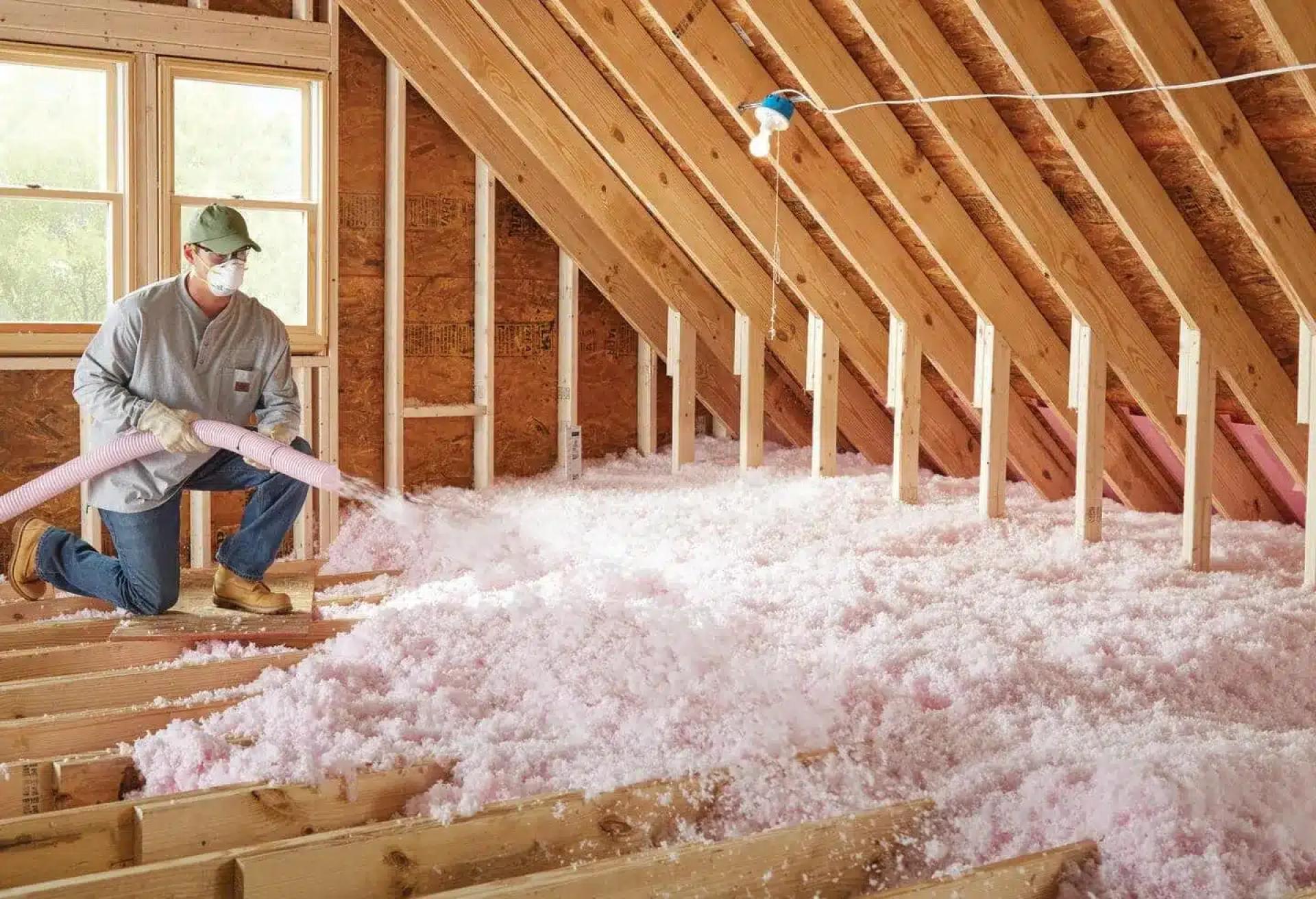
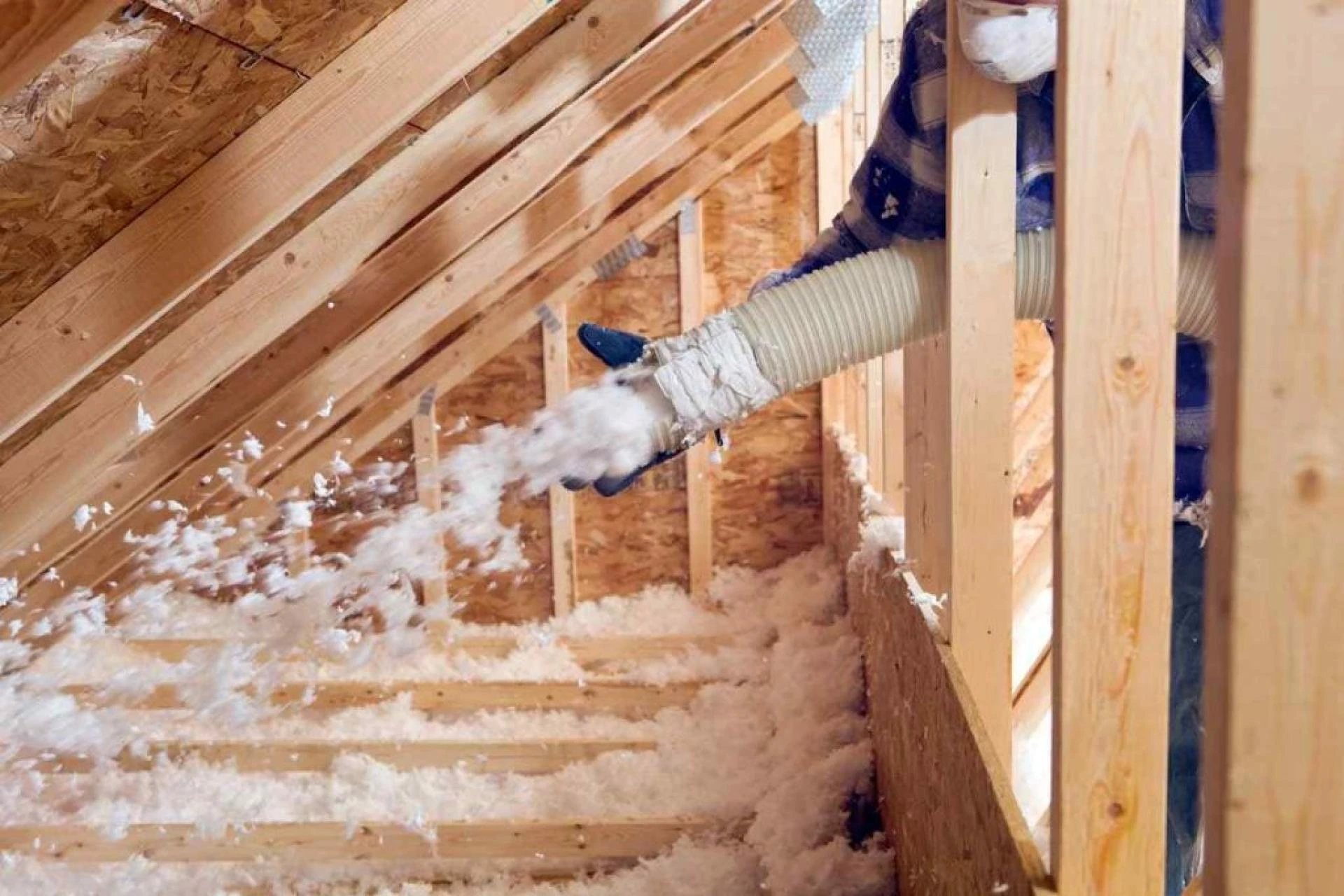
Blown-in insulation services is exactly what it sounds like — loose insulation material that gets blown into a space using a special machine. It can fill gaps and oddly shaped areas that other insulation types can’t cover as evenly.
How It Works
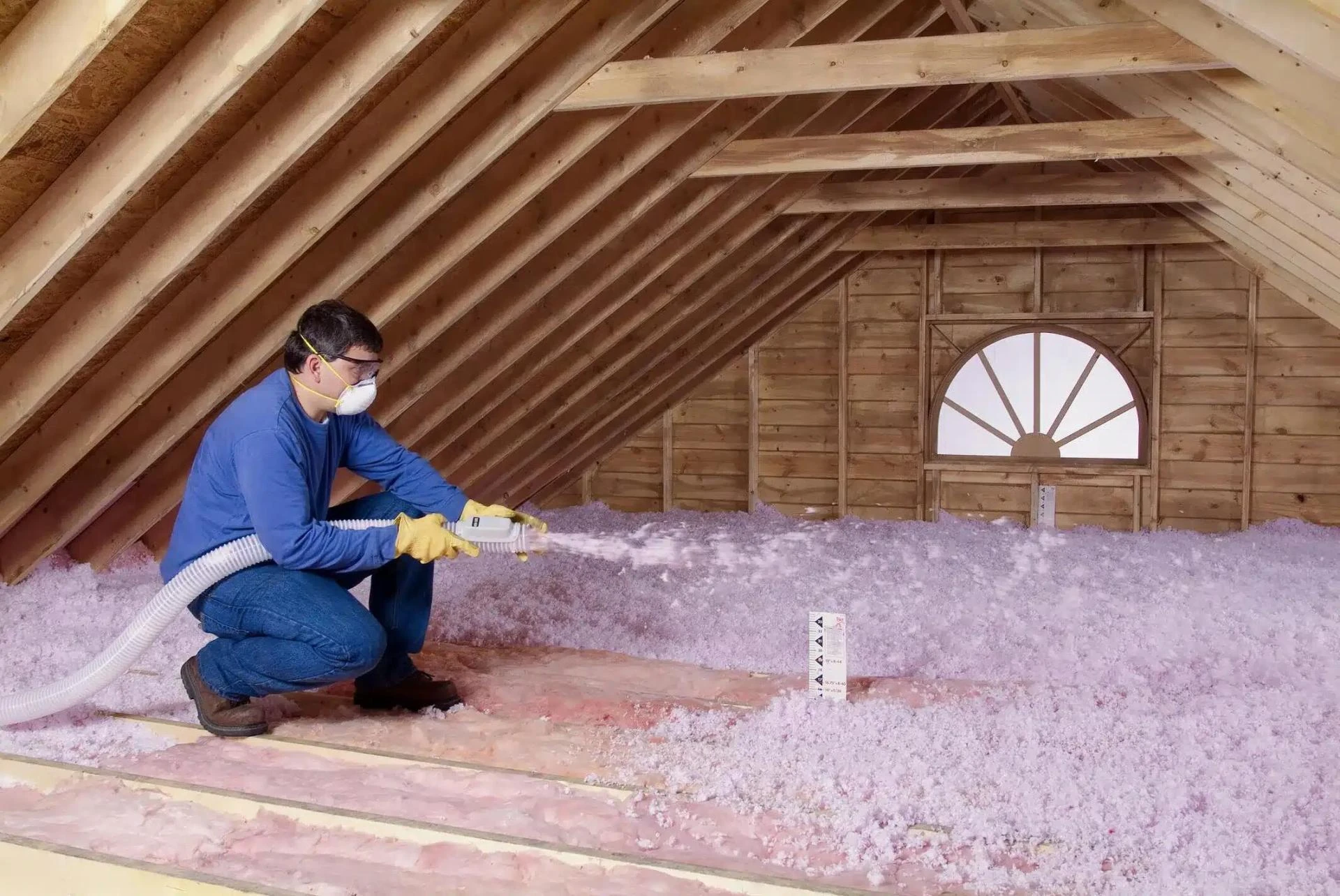
The insulation is made from either fiberglass or cellulose. A hose system blows the material into attics, walls, or floors, creating a thick layer that slows heat transfer. This helps keep warm air inside during winter and outside during summer.
Where It’s Most Effective
Attics are the most common place for blown-in insulation. It’s also useful for retrofitting older homes where walls can’t easily be opened up for batts or foam boards.
Fun Fact
Cellulose blown-in insulation is often made from recycled paper that’s treated for fire resistance — so your old newspapers could end up keeping someone’s house warm.
The Real Benefits of Blown-In Insulation
For the right situation, blown-in insulation delivers impressive results. But those results depend on the building and existing conditions.
Fills Every Nook and Cranny
Because it’s loose material, it can reach into corners, tight spaces, and around wiring or pipes, leaving fewer gaps for heat to escape.
Quick Installation
It can usually be installed in a matter of hours, especially in open attic spaces, with minimal disruption to the rest of the property.
Improves Energy Efficiency
A thicker, more even layer of insulation helps reduce heating and cooling needs, lowering overall energy use.
Potential Drawbacks to Keep in Mind
No insulation method is perfect, and blown-in has a few downsides that are worth knowing before making a decision.
Settling Over Time
Loose-fill insulation can settle, reducing its depth and effectiveness. This is more common with cellulose than fiberglass.
Moisture Risks
If moisture gets in, cellulose can clump and lose performance. Fiberglass resists moisture better but can still be affected if water is present.
Harder to Reuse
Once blown-in insulation is in place, it’s not easy to remove and reinstall. If you need repairs in the area later, it may have to be replaced entirely.
Comparing Blown-In to Other Insulation Types
Here’s how blown-in stacks up against other common insulation types in key areas:
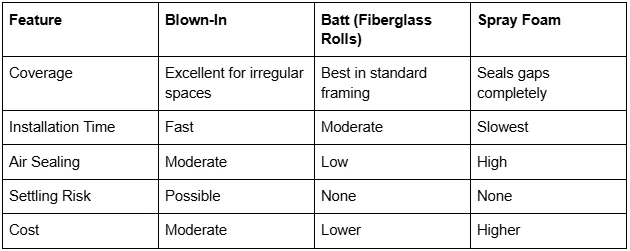
Each option has its place, but blown-in stands out for filling spaces that batt insulation can’t reach without cutting and fitting.
When Blown-In Insulation Makes Sense
Blown-in insulation isn’t the best choice for every situation, but there are times when it’s a clear winner.
Upgrading Attics in Older Homes
Attics often have uneven joist spacing, old wiring, and odd angles that make batts or boards difficult to install evenly. Blown-in covers those gaps easily.
Adding Insulation Without Removing Walls
If your walls don’t have enough insulation, blown-in can be added through small holes in the drywall, which are patched after.
Boosting Existing Insulation
Blown-in can be layered on top of existing insulation in an attic to improve coverage and performance.
Fun Fact
Some installers use thermal imaging cameras before and after installation to show exactly where the insulation is making the biggest difference.
When It Might Not Be the Best Choice
There are situations where blown-in insulation might not deliver the results you want.
Areas Prone to Leaks or Moisture
If your roof has leaks or your basement ceiling gets damp, blown-in insulation could absorb that moisture and lose performance.
Spaces Needing Frequent Access
In areas where you regularly move things or do repairs, loose-fill insulation can get disturbed easily and require topping up.
Common Question: Will Blown-In Insulation Drastically Cut My Energy Bills?
It can help, but “drastic” depends on what you have now. If your home already has good insulation, the difference will be smaller. If you have large gaps or very thin insulation now, you might notice a bigger change.
Conclusion
Blown-in insulation isn’t hype — but it’s not magic either. It’s a practical, efficient way to insulate spaces that are hard to reach with other materials, and it works best when you need wide, even coverage without tearing your home apart. A professional insulation contractor can assess whether blown-in is the right fit for your property and install it correctly for maximum performance. If you’re dealing with uneven attic insulation, drafty rooms, or thin wall insulation in an older building, blown-in could be a solid solution. The key is knowing your space, your existing insulation, and whether the conditions are right for it to shine.
FAQs
Does blown-in insulation work in all climates?
Yes, but its performance depends on proper installation and maintaining the right depth over time. Settling can affect results in extreme conditions.
Can blown-in insulation be installed over old insulation?
Yes, as long as the existing insulation is dry, clean, and in good condition. Damaged material should be removed first.
How long does blown-in insulation last?
Fiberglass blown-in can last for decades, while cellulose may need topping up if it settles significantly.
Is blown-in insulation fire resistant?
Cellulose is treated with fire-retardant chemicals, and fiberglass is naturally non-combustible. Both meet safety standards when installed correctly.
Does blown-in insulation reduce noise?
Yes, it can help muffle sound between rooms and from outside, though results vary by material and depth.
Reviewer: Charlotte King reviewed this article based on her 7 years of spray foam experience, contributing thoughtful advice about building customer relationships and improving local visibility.























Sign in to leave a comment.