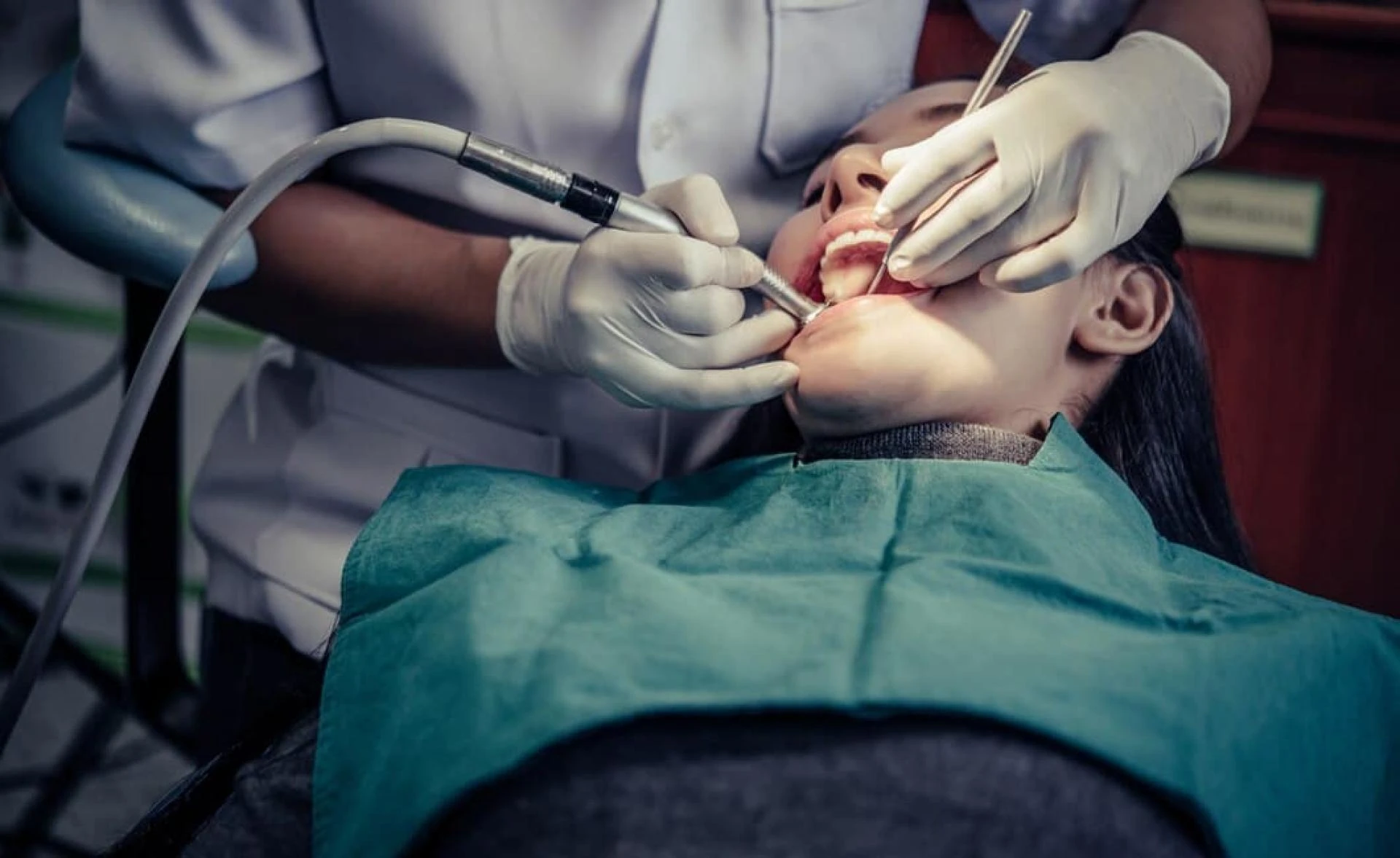

Dental hygiene is more than brushing and flossing; it is a comprehensive practice that influences your oral health and overall wellbeing. Consistent, mindful habits today help prevent cavities, gum disease, and other complications in the future.
They also support general health, as poor oral care can affect the heart, immune system, and metabolism. Beyond basic brushing, oral hygiene includes using proper techniques, flossing effectively, and rinsing regularly. It also involves maintaining hydration and choosing foods that protect your teeth.
Understanding these often-overlooked aspects allows you to build routines that work long-term. This helps ensure a healthy smile and stronger overall health throughout life.
The Hidden Role of Saliva in Dental Hygiene
Saliva is more than just moisture in your mouth. It naturally washes away food particles and neutralises acids produced by bacteria. Insufficient saliva can increase the risk of cavities and gum disease.
Hydration, a balanced diet, and chewing sugar-free gum are simple ways to support saliva production. These habits make oral hygiene practices more effective.
Micro Habits That Strengthen Your Teeth
Small actions often overlooked can significantly improve dental hygiene. For instance, rinsing your mouth with water after meals helps remove debris and reduce acid attacks. Swapping sugary drinks for water or milk protects enamel.
Even choosing foods that naturally clean teeth, like crunchy vegetables or fibrous fruits, reinforces your daily care. These micro habits complement brushing and flossing, giving your teeth added protection.
The Science Behind Brushing Techniques
Most people brush quickly or with too much pressure, which can harm enamel and gums. Dental hygiene works best with gentle, circular movements covering all tooth surfaces. Brushing for at least two minutes ensures that plaque and bacteria are adequately removed.
Changing your toothbrush every three months prevents bacteria buildup and maintains cleaning effectiveness.
Flossing Variations You Might Not Know
Flossing is more than sliding a string between teeth. There are several techniques: the loop method for children, the C-shape wrap for deep cleaning, and floss picks for convenience.
Each variation targets areas that toothbrushes cannot reach. Choosing a technique that fits your comfort level makes oral hygiene easier to maintain consistently.
How the Environment Impacts Dental Hygiene
Where and when you care for your teeth can influence results. For example, brushing immediately after highly acidic foods can erode enamel. Waiting 30–60 minutes allows your mouth to neutralise acids.
Even temperature matters; lukewarm water can be gentler on sensitive teeth than very cold water. Being mindful of environmental factors ensures your dental hygiene efforts are maximally effective.
Connecting Mental Health and Oral Care
Stress and mental health can affect dental hygiene in surprising ways. Anxiety or depression may lead to irregular brushing or teeth grinding. Reduced self-care habits also affect oral health.
Understanding this link encourages a more holistic approach to oral hygiene. It involves integrating mindful routines and stress management to maintain healthy teeth and gums.
Dental Hygiene for Unique Dental Situations
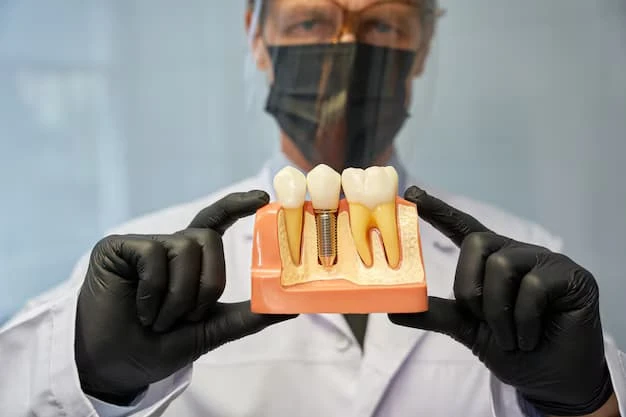
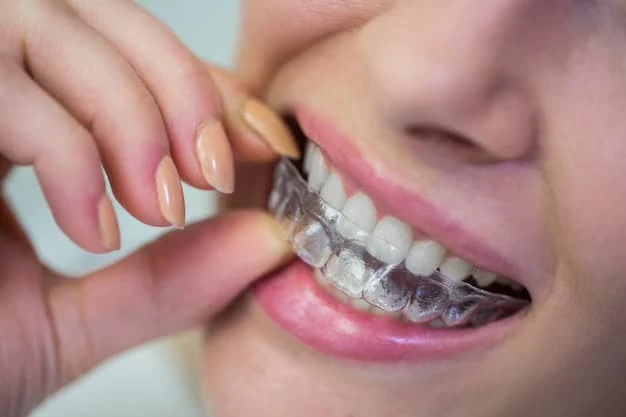
Different dental conditions require tailored hygiene practices. People with braces, implants, or gum recession need specific tools and techniques to maintain oral health.
Electric toothbrushes, interdental brushes, and water flossers can make oral hygiene more efficient and thorough. Customising your approach ensures all areas of the mouth are properly cared for.
Myths That Undermine Dental Hygiene
Many misconceptions can weaken your oral care efforts. For example, brushing harder does not clean better; it can damage gums. Similarly, rinsing with water after brushing may seem helpful, but it can wash away fluoride from toothpaste, reducing its protective effect.
Learning the science behind oral hygiene allows you to make smarter, evidence-based choices.
The Long-Term Benefits You Don’t See
Dental hygiene protects more than teeth. Healthy gums reduce the risk of systemic illnesses, including heart and kidney issues. By practising good hygiene consistently, you also improve your breath, maintain a confident smile, and preserve your natural teeth longer.
These long-term benefits make daily care a worthwhile investment in overall health.
Incorporating Playful Habits for Kids
Teaching children about dental hygiene doesn’t have to be boring. Fun routines, like singing songs for two minutes while brushing or using colourful flossers, can encourage engagement.
Consistent supervision and guidance help children build strong oral care habits that last a lifetime. Introducing positive reinforcement makes oral hygiene a natural part of their routine.
Final Thoughts
Dental hygiene is a multifaceted practice that goes far beyond brushing and flossing. It involves understanding saliva’s role, using the right techniques, being mindful of timing and environment, and adapting habits to individual needs.
By addressing overlooked aspects and integrating small, consistent actions, you can prevent oral disease and support overall health. Prioritising oral hygiene today ensures a stronger, healthier smile tomorrow. Developing these thoughtful habits creates a foundation for a lifetime of confident oral care.






























Sign in to leave a comment.