
Dental implants have become one of the most reliable and long lasting solutions for replacing missing teeth. They not only restore the appearance of a natural smile but also improve oral function and overall dental health. Understanding how a dental implant procedure works can help patients feel more confident and prepared before beginning treatment.
This comprehensive guide explains the dental implant process in clear, easy to follow steps. It covers everything from initial consultation to long term aftercare, providing valuable insights for anyone considering a dental implant as a tooth replacement option.
What Is a Dental Implant
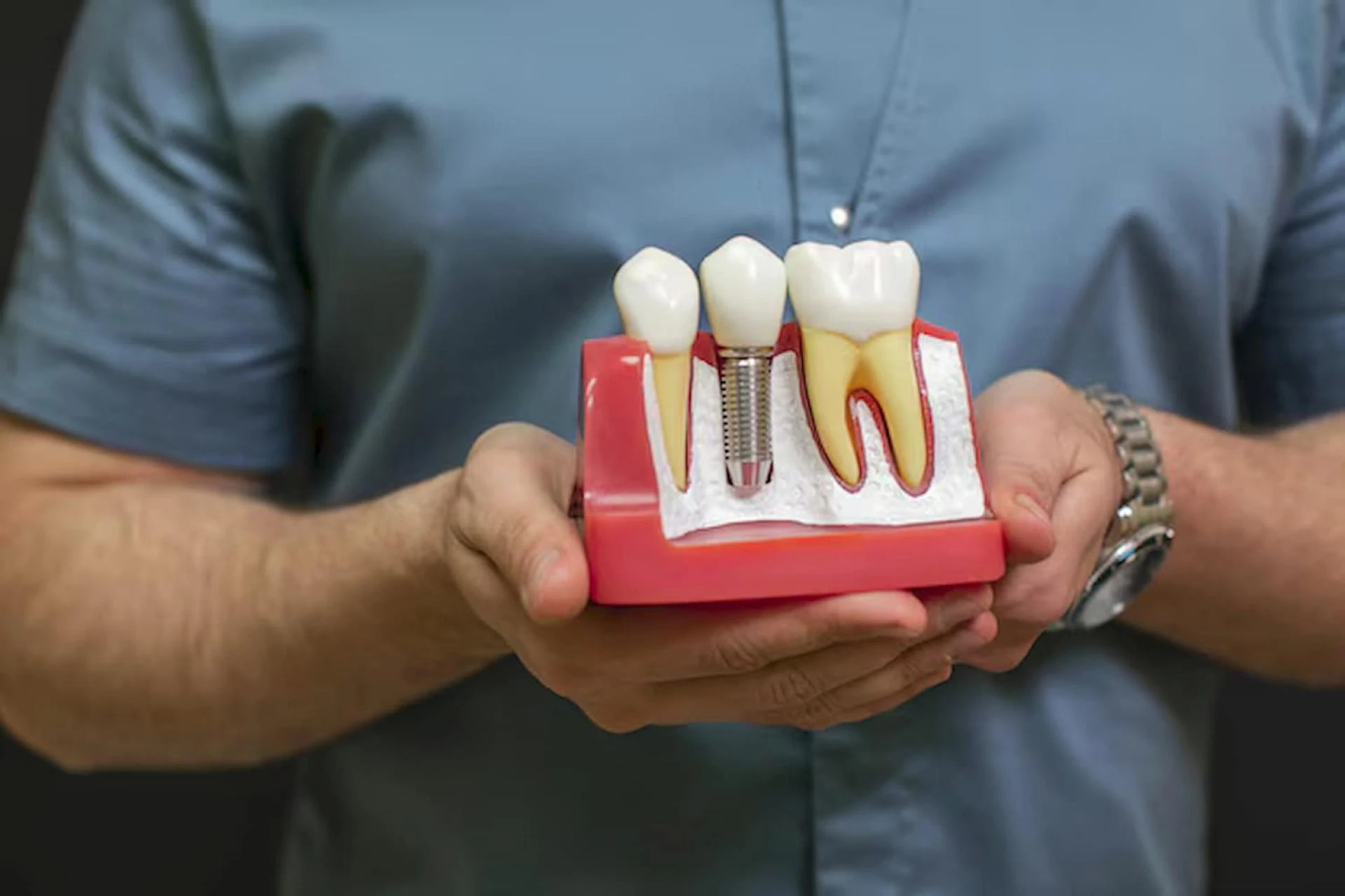
A dental implant is a small post, usually made of titanium, that is surgically placed into the jawbone to replace the root of a missing tooth. Once the implant integrates with the bone, it serves as a stable foundation for a crown, bridge, or denture.
Unlike traditional dentures or bridges, a dental implant is designed to function like a natural tooth. It helps preserve jawbone structure, prevents shifting of surrounding teeth, and offers superior comfort and durability.
Key Components of a Dental Implant
A complete dental implant system typically includes three main parts.
The Implant Post
This is the part placed into the jawbone. It acts as an artificial tooth root and provides stability for the replacement tooth.
The Abutment
The abutment connects the implant post to the visible restoration. It sits above the gum line and supports the crown.
The Crown
The crown is the visible part of the dental implant. It is custom made to match the color, shape, and size of natural teeth.
Who Is a Candidate for a Dental Implant
Not everyone is immediately eligible for a dental implant, but many people can become suitable candidates with proper planning and care.
General Health Requirements
A patient should be in good overall health and free from uncontrolled medical conditions that could affect healing. Chronic conditions like diabetes may still allow implant treatment if well managed.
Oral Health Considerations
Healthy gums and adequate jawbone density are essential for supporting a dental implant. If bone loss has occurred, bone grafting may be recommended before implant placement.
Lifestyle Factors
Smoking and poor oral hygiene can reduce the success rate of a dental implant. Patients are often advised to quit smoking and maintain excellent dental care habits.
Initial Consultation and Treatment Planning
The dental implant journey begins with a detailed consultation and evaluation. This stage is crucial for ensuring a successful outcome.
Comprehensive Oral Examination
The dental professional examines the mouth, teeth, and gums to assess overall oral health. X rays or three dimensional imaging may be used to evaluate bone structure and identify the best placement location.
Medical History Review
A full medical history is reviewed to identify any conditions or medications that may impact healing or surgery.
Personalized Treatment Plan
Based on the findings, a customized treatment plan is created. This plan outlines the number of implants needed, any preparatory procedures, and an estimated timeline.
Preparatory Procedures Before Implant Placement
Some patients may require additional treatments before the dental implant procedure can begin.
Tooth Extraction
If a damaged or decayed tooth is still present, it may need to be removed before implant placement. Healing time after extraction varies depending on the case.
Bone Grafting
Bone grafting is performed when there is insufficient jawbone to support a dental implant. This procedure helps rebuild bone and create a stable foundation.
Sinus Lift Procedure
For implants in the upper jaw, a sinus lift may be necessary to increase bone height near the sinus cavity.
Step by Step Dental Implant Procedure
The dental implant procedure is typically completed in multiple stages to allow proper healing and integration.
Step One Surgical Placement of the Implant
The first surgical step involves placing the implant post into the jawbone.
Local Anesthesia and Comfort
Local anesthesia is used to numb the area, ensuring patient comfort during the procedure. Sedation options may also be available.
Implant Insertion
A small incision is made in the gum to expose the bone. A precise hole is created, and the implant post is carefully inserted. The gum tissue is then closed over the implant.
Step Two Healing and Osseointegration
After placement, the implant undergoes a healing process known as osseointegration.
What Is Osseointegration
Osseointegration is the process where the jawbone grows around the implant, securing it firmly in place. This step is essential for long term stability.
Healing Timeline
Healing typically takes several months. During this time, the implant remains beneath the gum line and gradually bonds with the bone.
Step Three Abutment Placement
Once healing is complete, the abutment is attached to the implant post.
Minor Surgical Procedure
The gum is reopened to expose the implant, and the abutment is secured. The gums then heal around the abutment.
Preparing for the Crown
This stage prepares the implant for the final restoration by creating a stable connection point.
Step Four Crown Placement
The final step is attaching the custom made crown.
Custom Crown Design
Impressions are taken to create a crown that matches natural teeth in color and shape.
Final Attachment
The crown is securely placed onto the abutment, completing the dental implant procedure.
Recovery and Aftercare
Proper aftercare plays a major role in the success of a dental implant.
Immediate Post Procedure Care
Patients may experience mild swelling or discomfort, which can be managed with prescribed or over the counter pain relievers.
Oral Hygiene Practices
Keeping the implant area clean is essential. Gentle brushing, flossing, and antibacterial rinses help prevent infection.
Follow Up Appointments
Regular follow up visits allow the dental professional to monitor healing and ensure the implant remains stable.
Benefits of Choosing a Dental Implant
A dental implant offers numerous advantages over other tooth replacement options.
Natural Appearance and Function
Dental implants look and feel like natural teeth, allowing patients to eat, speak, and smile with confidence.
Bone Preservation
By stimulating the jawbone, a dental implant helps prevent bone loss that often occurs after tooth loss.
Long Term Durability
With proper care, a dental implant can last many years, often a lifetime.
Potential Risks and Complications
While dental implant procedures have a high success rate, potential risks should be understood.
Infection
Infection can occur if proper oral hygiene is not maintained. Early detection and treatment are key.
Implant Failure
Rarely, the implant may fail to integrate with the bone. Factors such as smoking or insufficient bone can increase this risk.
Nerve or Sinus Issues
Careful planning minimizes the risk of nerve damage or sinus complications.
Long Term Maintenance of Dental Implants
Maintaining a dental implant requires ongoing care and attention.
Daily Oral Care
Brushing twice daily, flossing, and using recommended dental products help keep implants healthy.
Routine Dental Checkups
Regular dental visits allow for professional cleaning and early detection of potential issues.
Healthy Lifestyle Choices
Avoiding tobacco use and maintaining a balanced diet contribute to implant longevity.
Conclusion
A dental implant procedure is a well established and effective solution for replacing missing teeth. By understanding each step of the process, patients can approach treatment with confidence and realistic expectations. From the initial consultation to long term care, a dental implant offers functional, aesthetic, and health benefits that make it a valuable investment in oral wellness.
With proper planning, skilled execution, and consistent aftercare, dental implants can provide reliable and natural looking results for many years. Patients seeking expert guidance and personalized implant care can rely on the experience and patient focused approach offered by Martinez & Martinez Family Dental Care to support their journey toward a healthier, more confident smile.

















Sign in to leave a comment.