
People don’t usually wake up and decide to “get implants”. It’s more like a slow build: a missing tooth you’ve worked around for ages, a denture that never quite behaves, or the nagging feeling that chewing has become a bit of a project.
Implants can be a very solid solution, but the best outcomes come from planning properly—because the implant is only one part of what’s going on.
If you’re trying to figure out whether an implant dentist in Melbourne is the right next step, focus on the boring-but-important stuff: starting health, timeline, cost structure, and what you’re willing to maintain long term.
What an implant actually changes
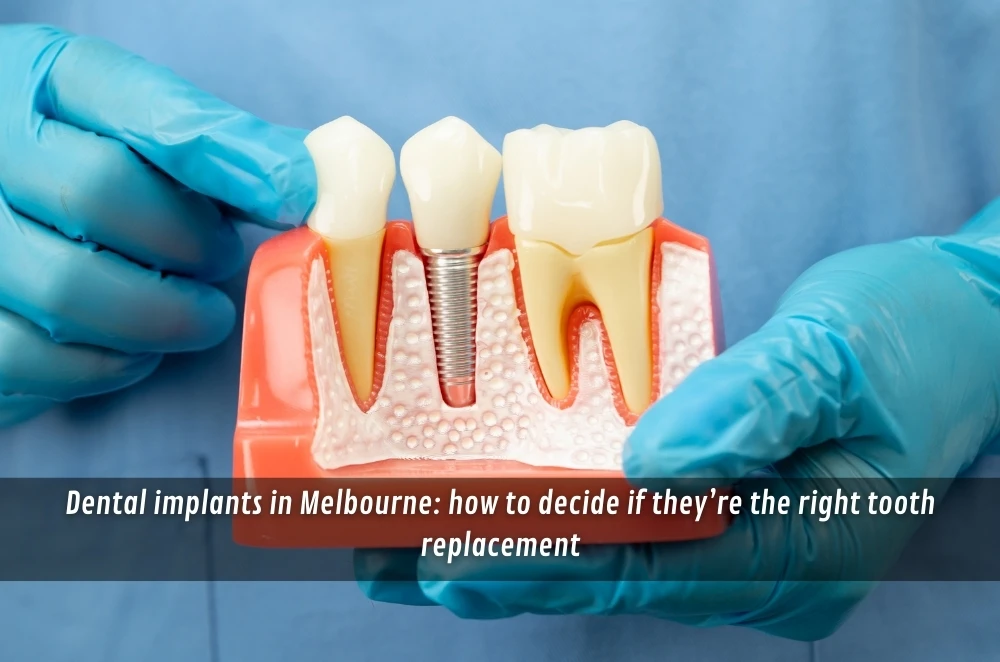
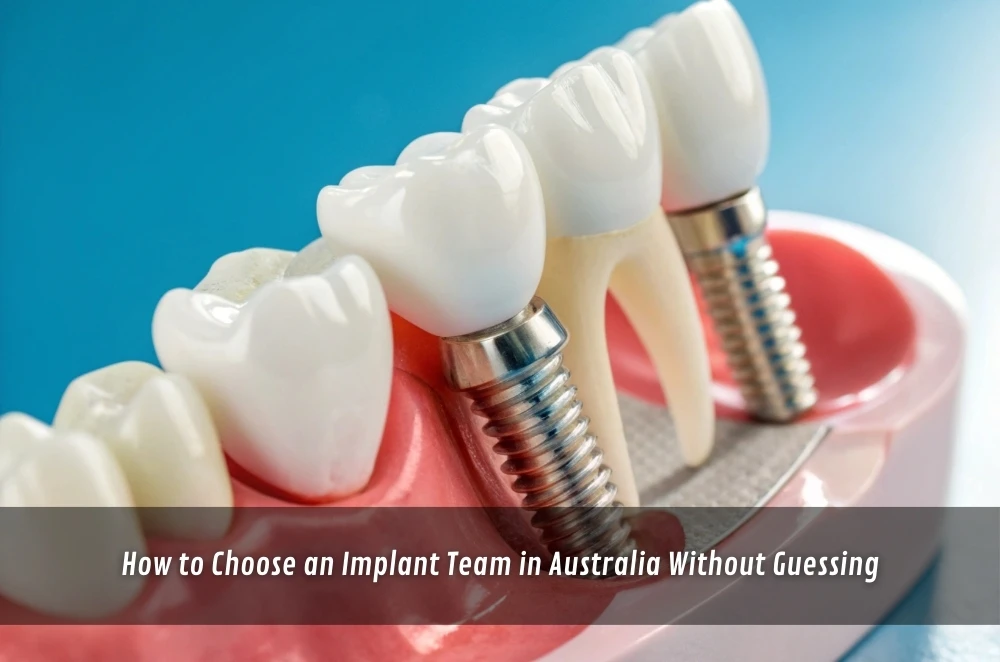
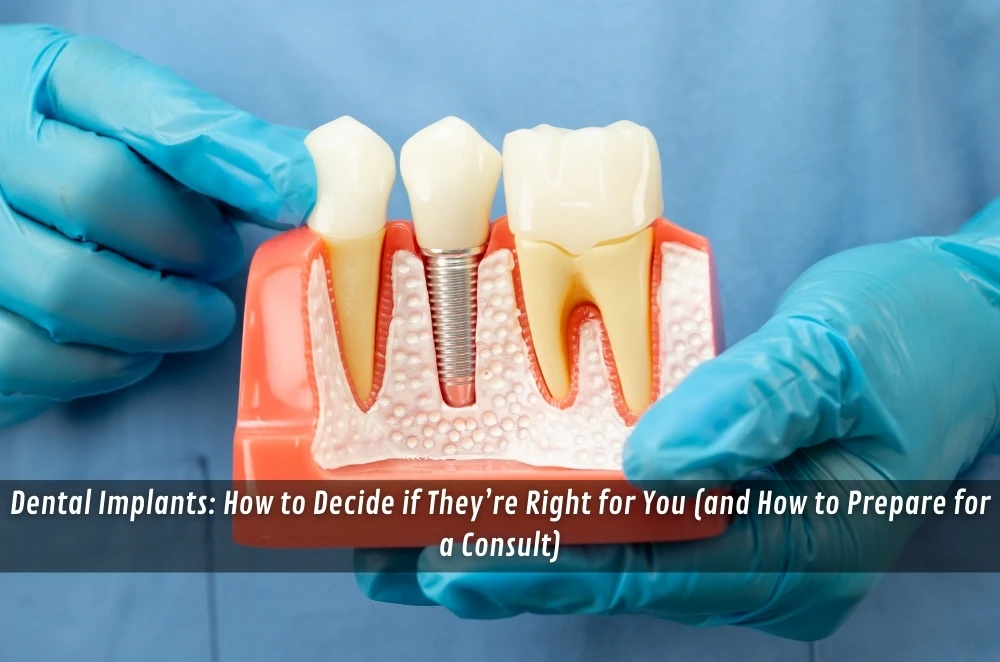
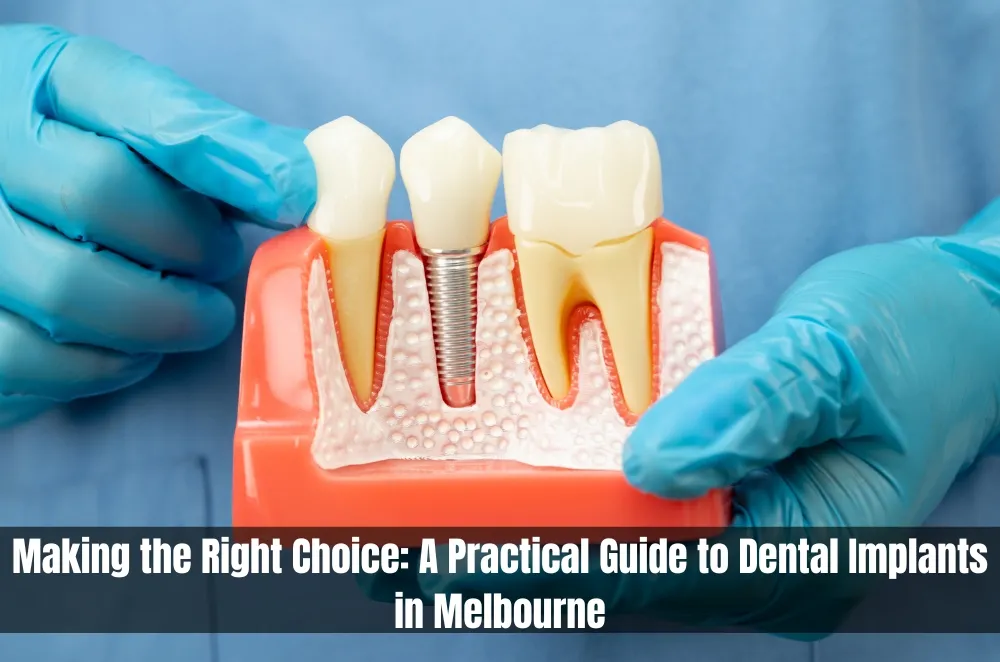
In simple terms, an implant replaces the “root” of a tooth. A crown sits on top, so it looks and works like a tooth again.
That can mean replacing one tooth, supporting a few, or anchoring a bigger restoration—depending on bone, gums, and bite.
What it doesn’t do is fix everything else by default. Gum inflammation still matters. Grinding still matters. And if cleaning isn’t consistent, implants can run into trouble the same way natural teeth can.
The candidacy conversation (the one worth having)
Most adults are at least worth assessing. The real question is what your mouth needs before implants are the sensible choice.
A clinician is usually looking at three big things: gum health, bone support, and habits.
- Gums: If gums are inflamed or bleeding easily, that’s a “slow down” moment.
- Bone: If there isn’t enough bone, grafting may be discussed—and that changes time and cost.
- Habits: Smoking/vaping, clenching, and inconsistent hygiene aren’t moral failings, but they do change risk.
If a consult feels like it’s skipping over those basics, that’s a reason to ask for a clearer explanation.
The decision factors that quietly drive the result
Time: the part nobody plans for
Implant treatment often comes in stages. Even when everything is straightforward, there are healing windows that don’t care about calendars.
Some cases move faster than others, but “fast” should be a conclusion—based on your starting conditions—not the headline.
If you’ve got work travel, caring responsibilities, or you simply can’t be off the tools, ask early: which appointments are fixed, which are flexible, and what would delay the next step.
Money: ask for the shape of the cost, not just the number
A single figure on a page can hide a lot. Planning, imaging, surgical components, lab work, temporaries, follow-up visits, and possible grafting all sit under the “implants” umbrella.
A practical question is: what’s included, what’s optional, and what would cause the plan (and cost) to change?
Maintenance: the trade-off people forget to factor in
An implant can feel like freedom compared with a loose denture. But it’s not “set and forget”.
You’ll still need daily cleaning around it and regular professional reviews. If you’re already not flossing because life is busy, be honest about that and ask what a realistic routine looks like.
If it helps to walk into a consult prepared (rather than trying to remember everything on the spot), this implant dentist Melbourne is a handy way to organise questions and paperwork.
Common mistakes people make
People pick speed first, then get annoyed when healing phases can’t be rushed.
They treat gum issues as separate (“that’s not the missing tooth”), even though inflammation affects outcomes.
They compare quotes without comparing what’s included—planning, temporaries, follow-ups, and contingencies matter.
They don’t mention grinding because it doesn’t feel relevant, then overload a restoration that needed protection.
They leave aesthetics until late, especially with front teeth, where the gum line and tissue shape are part of the result.
They assume maintenance will “just happen”, then miss reviews until something feels off.
Operator Experience Moment
The consults that go well usually have one turning point: the person stops asking “How much is an implant?” and asks “What has to be true for this to go smoothly for me?”
That’s when the plan becomes clearer—and it’s also when pressure tends to drop out of the room.
It turns the decision into something you can actually evaluate.
Choosing a provider in Melbourne: what to listen for
You’re not just choosing a procedure. You’re choosing how the planning is done.
Look for someone who explains the pathway in plain language and doesn’t skip the limitations.
Ask who you’ll see at each stage, what follow-up looks like, and how they handle aftercare and hygiene support.
If anxiety is part of the picture, bring it up early. The best time to discuss comfort options is before you’re in the chair.
A simple 7–14 day plan
Days 1–2: Write down your priority (function, comfort, confidence) and your constraint (time off work, budget ceiling, anxiety).
Days 3–4: Note history that affects planning: gum problems, infections, extractions, grinding, smoking/vaping, and relevant medical factors.
Days 5–7: Book a consultation that gives you time to talk, not just time to sit. Ask what records or imaging are needed.
Days 8–10: Prepare three questions: biggest risk in your case, what could extend the timeline, and what maintenance looks like after placement.
Days 11–14: Compare plans by stages and contingencies, not marketing language. Choose the one that fits your life, not the one that sounds fastest.
Local SMB mini-walkthrough (Melbourne)
A Melbourne small business owner loses a molar and puts it off because it’s “out of sight”.
Chewing shifts to one side, and by the end of long days their jaw feels tired.
A consult shows bone is borderline, so grafting is discussed upfront.
They schedule key visits around quieter trading weeks to avoid constant rebooking.
A temporary solution keeps eating comfortable while healing happens.
Reviews are locked in ahead of time so aftercare doesn’t slip.
Practical Opinions
If daily cleaning isn’t consistent yet, sort that first because it improves every option.
If the timeline feels too big, ask for a staged plan with clear decision points.
If something sounds perfect, slow down and ask for the downsides in plain words.
Key Takeaways
- Implants are a staged pathway: planning, healing, restoration, maintenance.
- The best choice depends on starting health, bone, habits, and time constraints.
- Compare treatment plans by inclusions and contingencies, not slogans.
- A structured two-week plan beats months of half-research.
Common questions we get from Aussie business owners
Q1) How do I know if I’m a candidate?
Usually, it comes down to gum health, bone support, healing risk factors, and whether you can maintain cleaning and reviews. Next step: book a consult and bring notes on medications, smoking/vaping, grinding, and gum history. In Melbourne, it’s also smart to talk about scheduling early so the plan fits work and travel time.
Q2) How long does it take?
It depends on whether you need extractions, grafting, or staged healing, and whether temporary teeth are part of the plan. Next step: ask for a timeline that shows each stage and what has to happen before moving on. In most cases, people do better when key visits are planned around quieter work periods.
Q3) What should I ask in the first consult?
In most cases, ask: “What’s the main risk in my case?”, “What are the alternatives and why aren’t they preferred?”, and “What does aftercare look like in year one?” Next step: write your top three priorities and ask the plan to match them. Usually, Melbourne schedules are tight, so ask if follow-ups can be coordinated with hygiene visits where appropriate.
Q4) Are implants high maintenance?
Usually, they’re manageable once you’ve got the right tools and technique, but you do need consistency. Next step: ask for a quick demonstration of cleaning around the implant and what products suit your spacing. It depends on your history, but regular reviews matter even more if you grind or have had gum issues.


























Sign in to leave a comment.