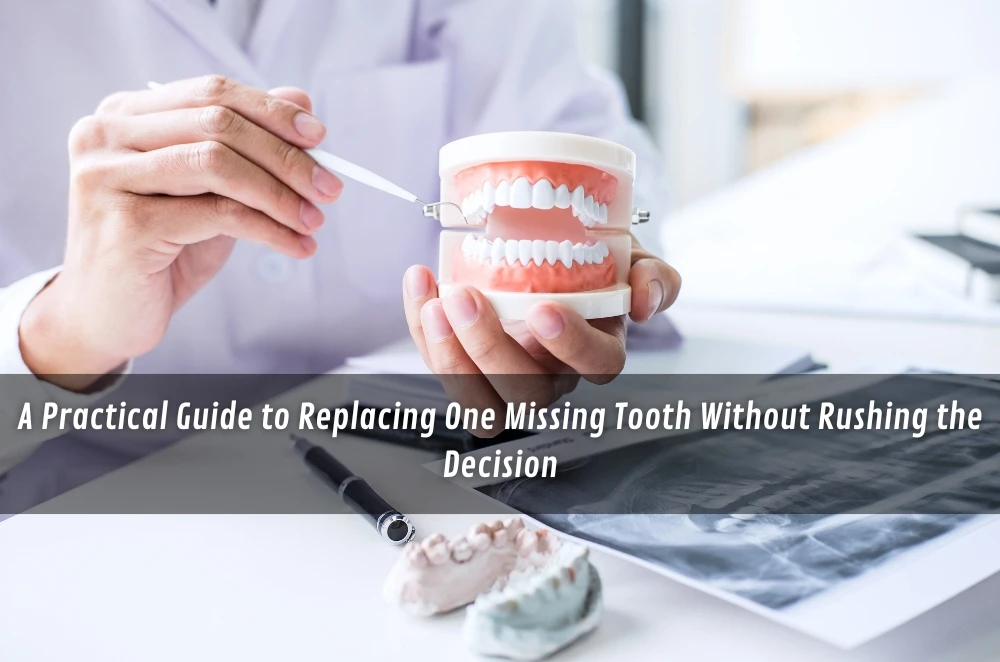

Losing a single tooth can feel like a small problem until it starts changing how eating, speaking, and even smiling works day to day.
For many people, the bigger challenge isn’t the gap itself—it’s sorting through options that sound similar, come with different timelines, and carry different long-term trade-offs.
This guide lays out the common paths for replacing one missing tooth, what actually matters when choosing between them, and how to plan the next couple of weeks without getting pushed into a rushed decision.
Why one missing tooth matters more than people think
A gap can shift chewing forces to other teeth, and that change can show up as extra wear, food traps, or sensitivity over time.
Some people adapt quickly and feel fine—until they don’t—so it helps to treat “one missing tooth” as a planning decision rather than a cosmetic one. This is where consulting an experienced implant team with transparent pricing in Melbourne can make a meaningful difference, helping you understand long-term outcomes and costs before committing to treatment.
Location matters: a missing molar affects chewing efficiency differently to a missing front tooth, where speech and appearance may drive priorities.
The main replacement options, in plain English
There are three common approaches, and each can be sensible depending on the mouth, the tooth position, and personal priorities.
Leave the space (for now)
Sometimes the best immediate move is to pause—especially if there’s active gum disease, unresolved decay nearby, or budget and time constraints that need a staged plan.
The trade-off is that delaying can make future treatment more complex if drifting, bite changes, or bone changes become a factor, so “wait” should still be an active plan with check-ins.
A removable option
A partial denture (or similar removable replacement) can restore appearance and some function with a relatively simple process.
The trade-offs are comfort, stability, and maintenance; some people do well, while others find movement, clasp pressure, or cleaning demands frustrating.
A dental bridge
A bridge typically uses the adjacent teeth to support a replacement tooth, which can be a practical solution when neighbouring teeth already need significant restorations.
The trade-off is that supporting teeth may be prepared to hold the bridge, so the long-term plan depends heavily on the health and structure of those teeth.
A single-tooth implant (implant + crown)
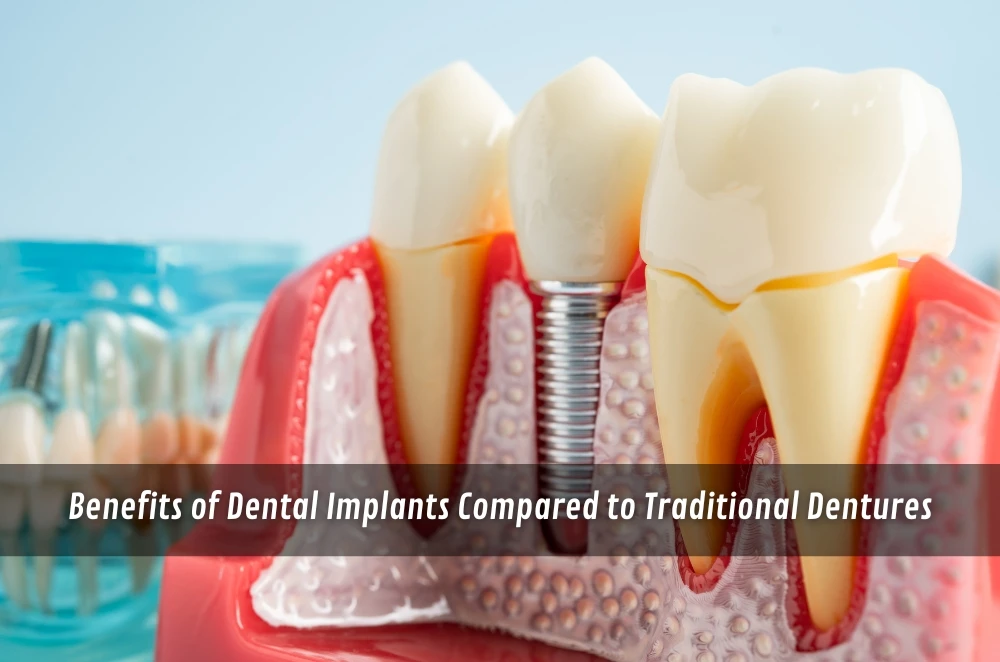
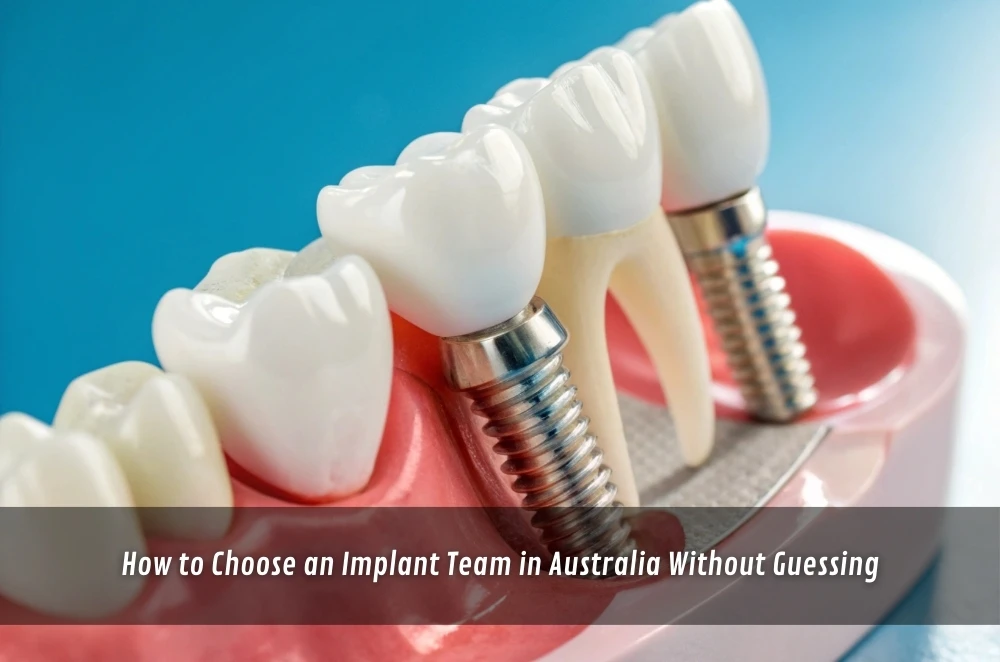
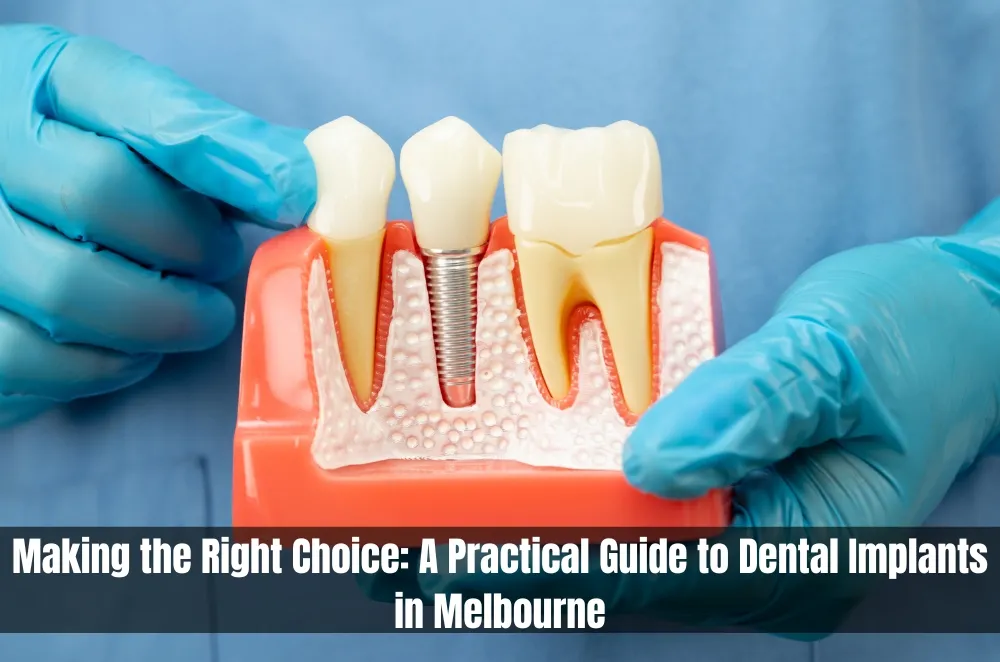
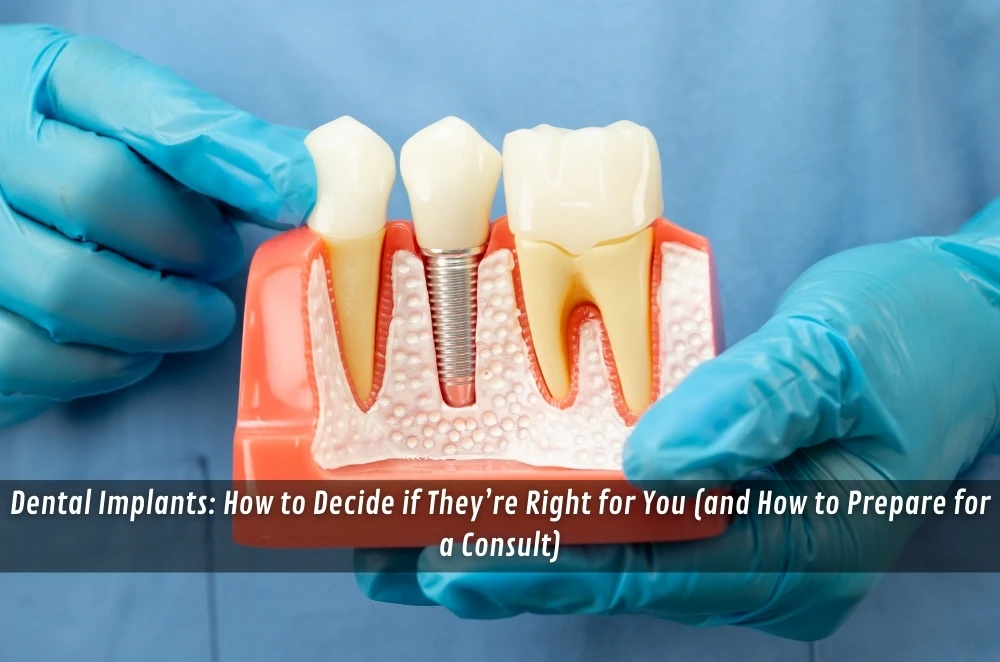
A single-tooth implant replaces the “root” with an implant and the visible tooth with a crown, aiming to restore function without relying on adjacent teeth for support.
The trade-offs are that it’s a process (not a one-visit fix), suitability depends on bone and gum health, and aftercare habits matter a lot.
Decision factors that actually change the outcome
Many people get stuck comparing options by price alone, but the most important decision points are usually clinical and lifestyle-related.
Bone and gum health are foundational, because any replacement is easier when the surrounding tissues are stable and well cared for.
Timing matters too: if the tooth was removed recently, there may be different options than if the gap has been there for years, so don’t assume you’re on the same timeline as someone else.
Your bite and habits matter more than most people expect; grinding, clenching, and certain bite patterns can change the design approach and maintenance needs.
Practical Opinions: If you’re unsure, prioritise a plan that protects the healthiest nearby teeth.
Practical Opinions: Choose the option you can realistically maintain with cleaning and check-ups.
Practical Opinions: When two options seem similar, pick the one with the clearest long-term plan.
Here are consultation questions that tend to clarify the best path quickly:
- What are the healthiest options for the teeth next to the gap, and what would put them at risk?
- What does the gum and bone assessment show, and does anything need treating first?
- What does the realistic timeline look like (including healing and follow-ups)?
- What maintenance will be required at home, and what will be checked professionally?
- What could make the plan change mid-way, and how is that handled?
If a single-tooth implant is on the shortlist, High Dental Implants Melbourne single-tooth guide can help organise the questions to take into a consultation.
Common mistakes that create avoidable hassle
The first mistake is choosing based on speed, then being surprised when follow-ups or adjustments are needed.
Another common issue is treating a missing tooth like a one-time purchase rather than something that needs ongoing care—especially with cleaning around the replacement and routine reviews.
People also underestimate the value of getting existing gum inflammation under control before committing to a replacement, because the “foundation work” can make everything more predictable.
It’s also easy to overlook how much the bite matters; if you grind or clench, make sure it’s discussed early so the design and protective strategies are built into the plan.
Finally, many people don’t ask what happens if circumstances change—like discovering a neighbouring tooth needs treatment—so they get caught off guard when the plan needs adjusting.
Operator Experience Moment
In practice, the calmest outcomes often come from slowing the process down just enough to map the mouth properly and align expectations on timeline and maintenance.
When people arrive with a short list of questions and a clear idea of their priorities—function, appearance, minimal impact on nearby teeth, or staged budgeting—the consult becomes less overwhelming and the decision feels far less “salesy”.
That’s usually when the best option becomes obvious: not the fanciest choice, but the one that fits the mouth and the person’s habits.
A simple first-actions plan for the next 7–14 days
Start by writing down what is actually bothering you: chewing, appearance, speech, food trapping, or worry about future issues.
Book an assessment that includes a clear look at the gum and bone situation, and ask what has to be stabilised before any replacement is started.
List any relevant habits and history: grinding/clenching, smoking/vaping, dry mouth, diabetes, previous gum issues, or past dental anxiety, because these can change planning and aftercare.
If cost is a factor (it often is), ask for a staged plan and the main cost drivers rather than a single number, so you can compare options fairly.
Before deciding, make sure you understand the maintenance routine for your chosen option, including cleaning tools, follow-up schedule, and what “normal” feels like after it’s done.
Local SMB mini-walkthrough (Australia)
A common situation is a busy owner-operator who loses a tooth, then tries to “push through” because taking time off feels impossible.
Week one is about stabilising: stop the gap causing trouble, get inflammation controlled, and confirm there’s no hidden issue that will derail plans later.
Week two is about choosing a path that fits real life: the option that works with shift work, client meetings, and the ability to keep up with cleaning and reviews.
If the replacement will affect speech or appearance, plan timing around presentations or peak trading periods rather than hoping it’ll settle instantly.
Ask the clinic to outline likely appointment count and check-up cadence, then put it straight into the calendar so it doesn’t become another half-finished health task.
If budget needs staging, request a step-by-step plan that keeps future options open instead of locking you into a corner.
Key Takeaways
- Replacing one missing tooth is usually a long-term planning decision, not just a quick cosmetic fix.
- The best option depends on gum health, bone support, bite forces, and how you’ll maintain it.
- Bridges, removable options, and implants can all be valid—trade-offs are where the decision lives.
- A clear 7–14 day plan reduces rushed choices and makes consultations far more productive.
Common questions we hear from Australian businesses
Q1) Should I replace a missing tooth straight away, or can it wait?
In most cases, it’s reasonable to take a short pause to plan—especially if you need to treat gum inflammation or organise finances—but it shouldn’t be “set and forget”. A practical next step is to book an assessment and ask what risks come with delaying in your specific tooth position. In Australia, people often try to fit care around work and family, so getting a timeline you can actually keep is part of the decision.
Q2) How do I choose between a bridge and an implant if both are possible?
It depends on the condition of the teeth next to the gap, your bite forces, and how you feel about preparing adjacent teeth to support a bridge. A practical next step is to ask the clinician to compare the impact on neighbouring teeth and outline the maintenance requirements for each option. In most Australian clinics, you can request a written treatment plan to help you compare without relying on memory after the appointment.
Q3) What questions should I ask in my consultation so I don’t miss anything important?
Usually, the best questions are the ones that reveal assumptions: what needs treating first, what could change the plan, and what maintenance is required long term. A practical next step is to bring a short checklist (including bite habits like grinding) and ask for the expected number of visits and review schedule. In Australia, where many people travel between work sites or suburbs, appointment logistics and follow-up timing are worth clarifying early.
Q4) If I’m anxious about dental work, what can I do before starting a replacement plan?
In most cases, letting the clinic know upfront makes the biggest difference, because the appointment can be paced and explained in a way that keeps you in control. A practical next step is to ask for a consultation-focused visit first, where you discuss options and the step-by-step process before committing to treatment. In Australia, many people prefer early-morning or late appointments around work, so ask about scheduling options that reduce stress and rushing.




























Sign in to leave a comment.