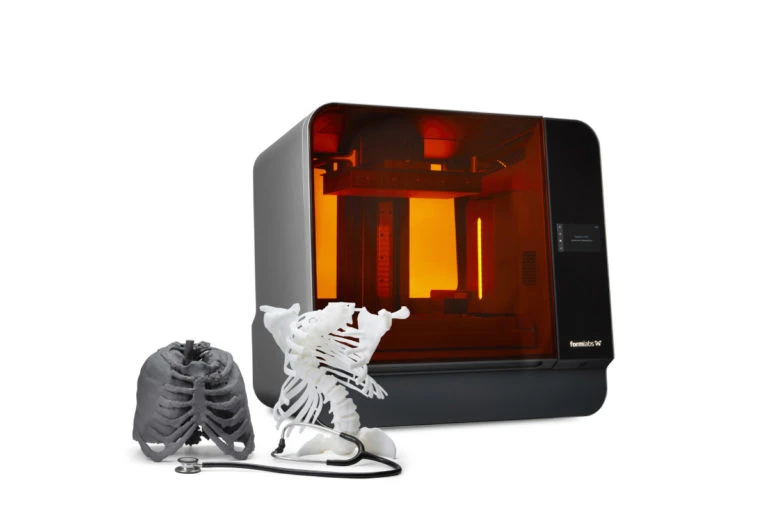

In the realm of healthcare, few fields have benefited as significantly from 3D printing technology as dentistry. The advent of dental 3D printers has revolutionized the way dental professionals approach oral healthcare. From crafting precision dentures to producing customized dental implants, Healthcare 3D printing has ushered in a new era of convenience, accuracy, and patient satisfaction. In this article, we'll delve into the fascinating world of dental innovations powered by 3D printing.
The Evolution of Dental 3D Printing
Dental 3D printing is a relatively recent development, yet it has rapidly gained traction within the dental industry. Traditional methods of creating dentures and dental implants involved time-consuming and often uncomfortable processes. Patients had to endure multiple appointments, uncomfortable impressions, and lengthy waiting periods for their prosthetic devices. However, dental 3D printing has changed the game entirely.
The Role of Dental 3D Printers
At the heart of this dental revolution are dental 3D printers. These specialized machines use digital design files to create intricate dental prosthetics with remarkable precision. Here's how the process works:
Digital Scanning: To begin, a digital scan of the patient's oral cavity is taken. This scan captures every contour and nuance of the patient's teeth and gums, creating a highly detailed 3D model.
Digital Design: Using specialized software, dental professionals design the denture or dental implant based on the digital scan. This digital design phase allows for unparalleled customization.
3D Printing: The digital design is then sent to a dental 3D printer. These printers use a variety of materials, including biocompatible resins and metals, to produce the prosthetic device layer by layer. The level of precision achieved is remarkable, ensuring a comfortable fit.
Advantages of 3D-Printed Dentures and Dental Implants
The adoption of 3D printing technology in dentistry brings forth numerous advantages:
Customization: Every patient's oral anatomy is unique. 3D printing allows for the creation of dentures and implants that are tailored to the individual, ensuring a perfect fit and maximum comfort.
Accuracy: Traditional dental prosthetics often required multiple adjustments to achieve the desired fit. With 3D printing, the precision of the design process results in prosthetics that fit flawlessly from the start.
Speed: 3D printing significantly reduces the time required to produce dentures and dental implants. Patients can now receive their prosthetic devices in a fraction of the time it once took.
Reduced Waste: The digital design and additive manufacturing process of 3D printing minimizes material waste, making it an environmentally friendly option.
Improved Patient Experience: Patients appreciate the reduced discomfort and shorter waiting times associated with 3D-printed dentures and dental implants.
Cost-Efficiency: While the initial investment in dental 3D printing technology can be substantial, the long-term cost savings are often realized through reduced labor and material costs.
Challenges and Considerations
While the advantages of dental 3D printing are significant, it's essential to acknowledge the challenges and considerations associated with this technology:
Regulatory Compliance: Dental professionals must adhere to regulatory guidelines and ensure that the materials used in 3D printing are biocompatible and safe for patient use.
Training and Expertise: Dentists and dental technicians must acquire the skills and knowledge necessary to operate dental 3D printers effectively.
Initial Investment: Acquiring and maintaining dental 3D printers can be costly, which may present a barrier to entry for smaller practices.
Data Security: As digital patient data is integral to the 3D printing process, safeguarding patient information becomes paramount.
The Future of Dental 3D Printing
The future of dental 3D printing looks incredibly promising. Researchers and innovators are continually pushing the boundaries of this technology. Some potential future developments include:
Biocompatible Materials: Advances in materials science may lead to even more biocompatible and durable options for dental prosthetics.
Chairside 3D Printing: The development of smaller, chairside 3D printers could allow for on-demand production of prosthetics during a single dental visit.
Tele-dentistry: With 3D scanning and printing capabilities, tele-dentistry could become more accessible, allowing remote customization and delivery of prosthetics.
AI-Assisted Design: Artificial intelligence may play a more significant role in the design process, streamlining and automating certain aspects.
In conclusion, dental 3D printing is transforming the field of dentistry by offering customized, accurate, and efficient solutions for patients. As the technology continues to evolve, it is likely to become more accessible and integrated into routine dental care. Patients can look forward to a future where dental procedures are not only more comfortable but also faster and tailored to their specific needs, thanks to the incredible innovations in dental 3D printing.
Dental healthcare is just one area where 3D printing is making a significant impact. This technology's potential in healthcare as a whole is vast, and it will continue to drive innovation and improve patient outcomes across various medical disciplines.


























Sign in to leave a comment.